Last Updated: August 7, 2026
Chronic diseases account for almost 90% of the nation’s annual healthcare spending, making them one of the major challenges facing the healthcare system today and not just individual health concerns.
Chronic conditions like diabetes, heart disease, COPD, and arthritis do not simply go away after a single treatment or doctor’s visit. They actually need ongoing care, regular monitoring, and healthy lifestyle changes for keeping symptoms under control while preventing complications.
Because of this, chronic condition management is as important as treating them. Even so, for many healthcare providers, delivering that level of continuous care is not always easy. As patients continuously need support in between appointments, without a structured approach, there is a high chance of missing important follow-ups, medication changes, or early warning signs.
That’s where a chronic care management program, supported by the right chronic care management platforms, enters the scene. CCM programs support better long-term outcomes for patients living with chronic conditions by enhancing care coordination, encouraging regular patient engagement, and helping providers deliver consistent follow-up.
Here, you might be wondering about: Where do you actually begin to deliver better long-term care for patients with chronic conditions?
Well, this guide will walk you through what a chronic care management program includes, who qualifies, its key benefits, and key steps to build a successful program for your practice.
So, without further ado, let’s get started!
What Are Chronic Conditions?
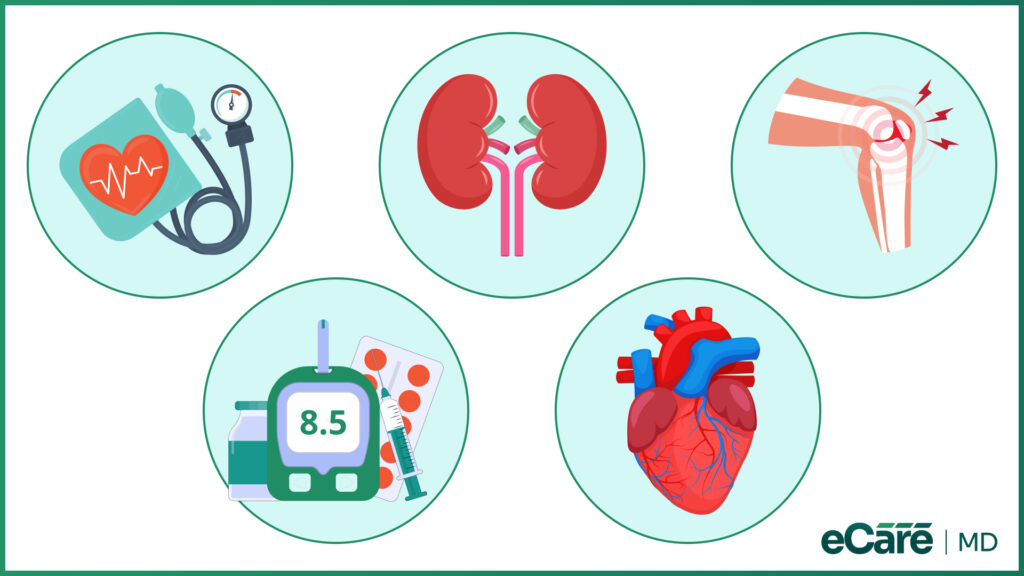
Chronic conditions are long-term health conditions that usually last a year or more and need ongoing medical care. Acute illness like the flu or a minor infection usually improve with short-treatment, on the other hand, chronic diseases require continuous monitoring for preventing complications and maintaining overall health.
As many patients live with more than one chronic condition, managing their health needs regular follow-ups, medication management, and coordinated care between multiple healthcare providers.
As per CMS guidelines, patients with two or more qualifying chronic conditions expected to last at least 12 months (or until death) may be eligible for chronic care management (CCM) services.
Let’s have a look at some of the common chronic conditions and why they require ongoing management:
| Chronic Condition | Common Co-occurring Condition | Why Long-Term Management Matters |
|---|---|---|
| Hypertension | Type 2 Diabetes | Reduces the risk of stroke and heart disease. |
| Type 2 Diabetes | Chronic Kidney Disease | Prevents complications through continuous monitoring. |
| Heart Failure | COPD | Lowers hospital readmissions and disease progression. |
| COPD | Heart Disease | Improves symptom control and respiratory health. |
| Chronic Kidney Disease | Hypertension | Slows kidney function decline with coordinated care. |
| Arthritis | Obesity | Improves mobility, pain management, and quality of life. |
Why Is Chronic Condition Management Important?
As we discussed earlier, chronic condition management is much more than treating symptoms. It helps patients stay healthier, maintain their independence, and reduce the long-term impact of chronic diseases.
1. Better Health Outcomes:
With continuous monitoring, providers can identify health changes early, adjust treatment plans when needed, and keep chronic conditions under better control.
2. Fewer Hospital Visits:
Regular follow-ups and timely interventions also help to prevent complications before they become emergencies by reducing avoidable hospitalizations and readmissions.
3. Lower Healthcare Costs:
Proactive care helps to reduce unnecessary emergency visits, duplicate tests, and expensive treatments by addressing problems before they worsen.
4. Improved Care Coordination:
As many patients receive care from multiple providers, coordinated care helps to keep everyone informed. This makes it easier to manage medications, share updates, and deliver a more connected care experience.
When all these efforts come together, patients with multiple chronic conditions are more likely to receive more consistent, personalized support, leading to better outcomes and an improved quality of life.
How Can Healthcare Providers Manage Chronic Conditions Effectively?
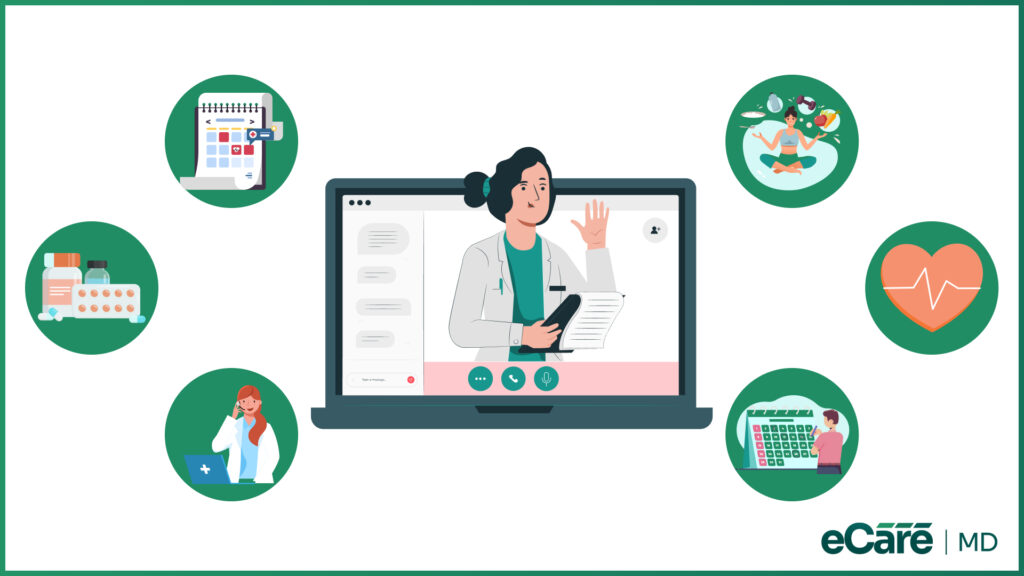
It is a fact that there is not a one-size-fits-all approach to chronic disease management. However, following best practices can help you deliver consistent, patient-centered care while improving long-term outcomes.
1. Create Personalized Care Plans:
As every patient has unique health requirements and goals, a personalized care plan helps to ensure that treatment is tailored to their conditions, lifestyle, and ongoing care requirements.
2. Encourage Medication Adherence:
Help your patients understand their medications, address barriers to adherence, and regularly review prescriptions. This further helps to reduce the risk of missed doses or medication-related complications.
3. Focus on Patient Education:
It is a fact that patients who understand their health conditions are more likely to follow their treatment plans, recognize warning signs early, and make informed decisions about their health.
4. Promote Healthy Lifestyle Changes:
Factors like small and sustainable changes in nutrition, physical activity, sleep, and stress management can enhance chronic conditions management significantly.
5. Schedule Routine Follow-Ups:
Regular check-ins enable you to monitor progress, adjust care plans, and address concerns before they result in more serious health issues.
6. Prioritize Prevention and Early Intervention:
Preventive screenings, routine health assessments, and risk-factor management help identify potential problems early, making chronic disease prevention an important part of long-term care.
Combining these strategies helps providers understand how to manage chronic conditions effectively and deliver more proactive, coordinated, and patient-centered care.
Common Challenges in Chronic Conditions Management
Chronic conditions management comes with its own set of challenges even with the right care strategies. As patients’ needs become more complex, you should balance quality care with everyday operational demands.
Challenge 1: Managing Multiple Chronic Conditions
Many patients live with two or more chronic conditions, which makes treatment more complex. Providers frequently need to coordinate multiple medications, care plans, and specialists’ recommendations while keeping the patient’s overall health in focus.
Challenge 2: Keeping Patients Engaged
Long-term treatment works only when patients stay involved in their care. Factors like missed appointments, poor medication adherence, and limited lifestyle changes can make chronic conditions really hard to manage over time.
Challenge 3: Coordinating Care Across Teams
Communication gaps can lead to duplicated efforts or delayed care when primary care providers, specialists, and caregivers are involved. Additionally, documentation requirements can also increase the administrative burden on your healthcare teams.
Challenge 4: Maintaining Consistent Workflows
Care processes can vary from one patient or provider to another, without standardized workflows. With a structured approach, your organizations can enhance coordination, reduce documentation errors, and deliver more consistent chronic care.
How Technology Improves Chronic Conditions Management
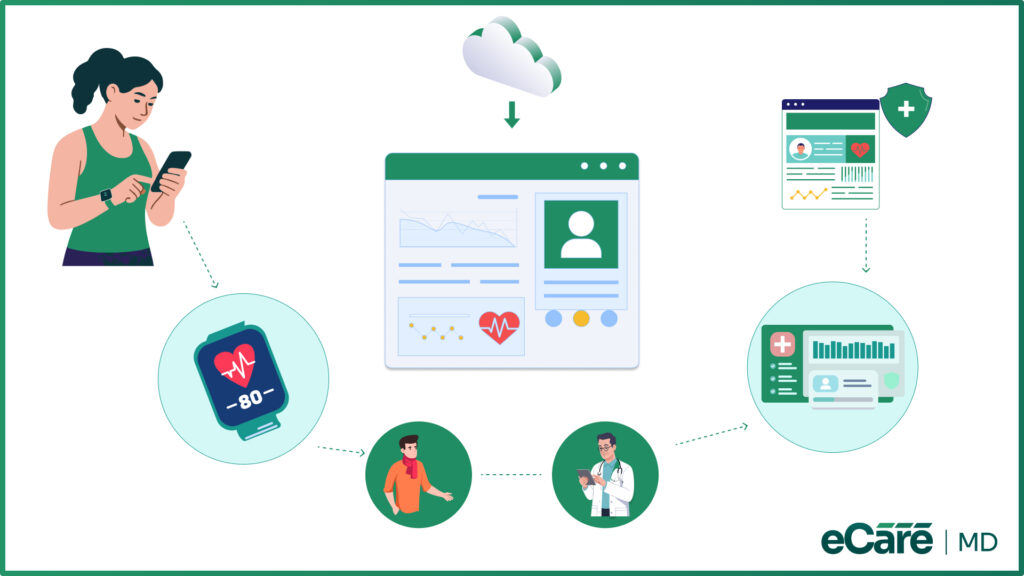
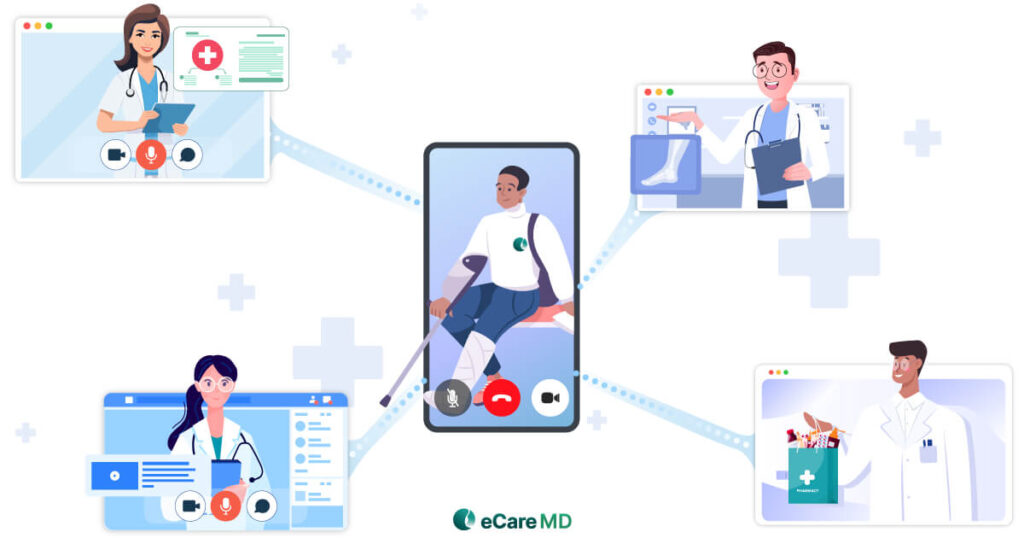
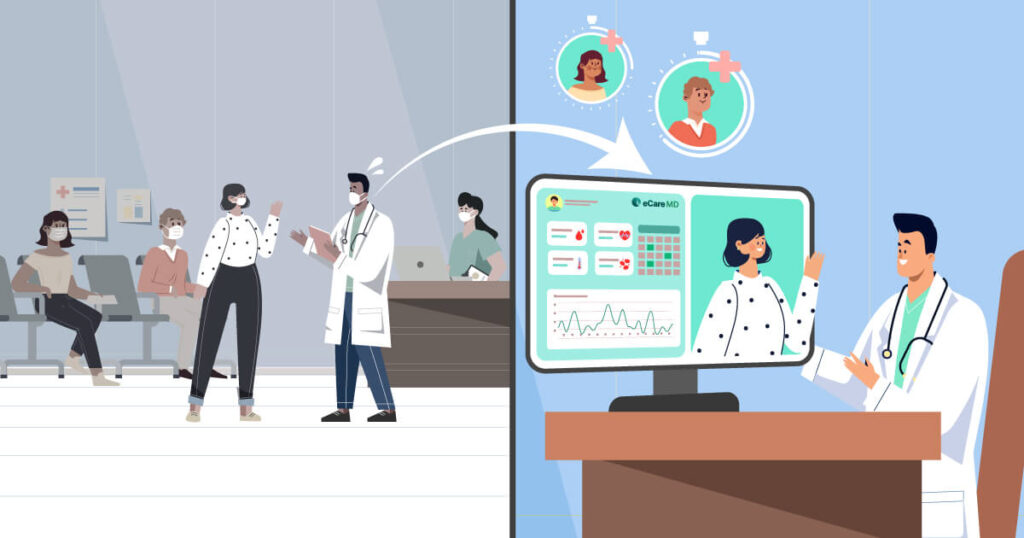
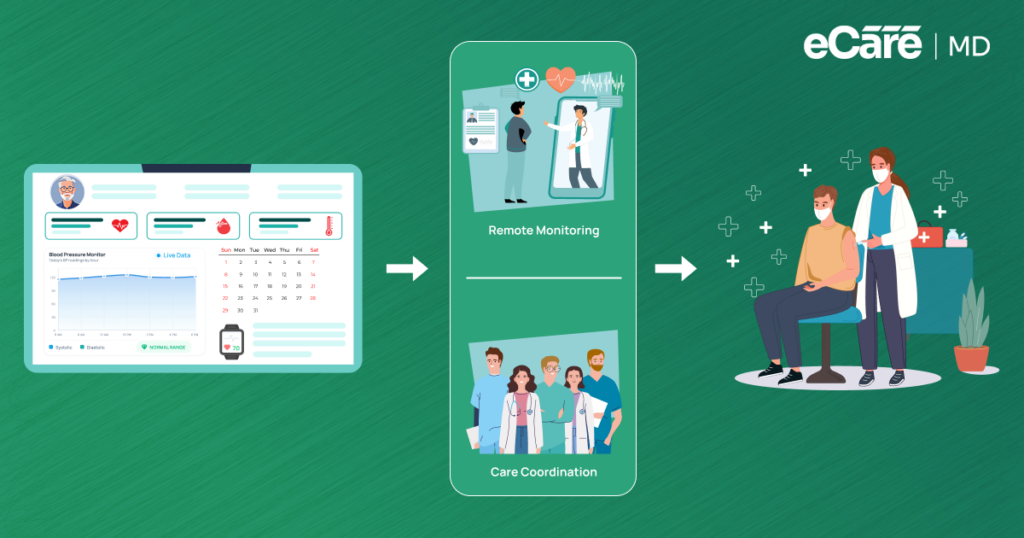
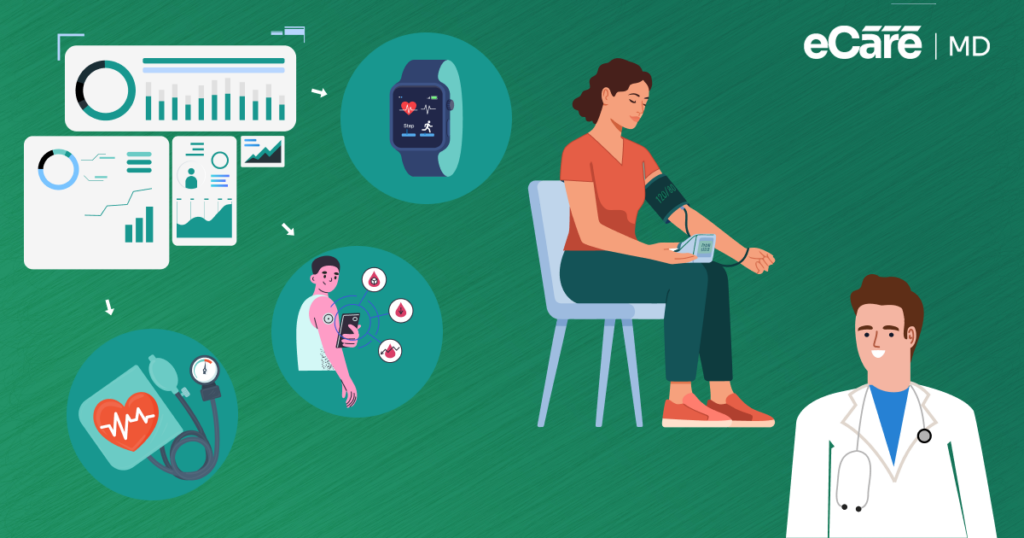
As we discussed above, as chronic care becomes more complex, technology plays a key role in helping you deliver consistent and connected care. With digital health solutions, it becomes easier to coordinate with care teams, communicate with patients, and maintain accurate documentation across the care journey.
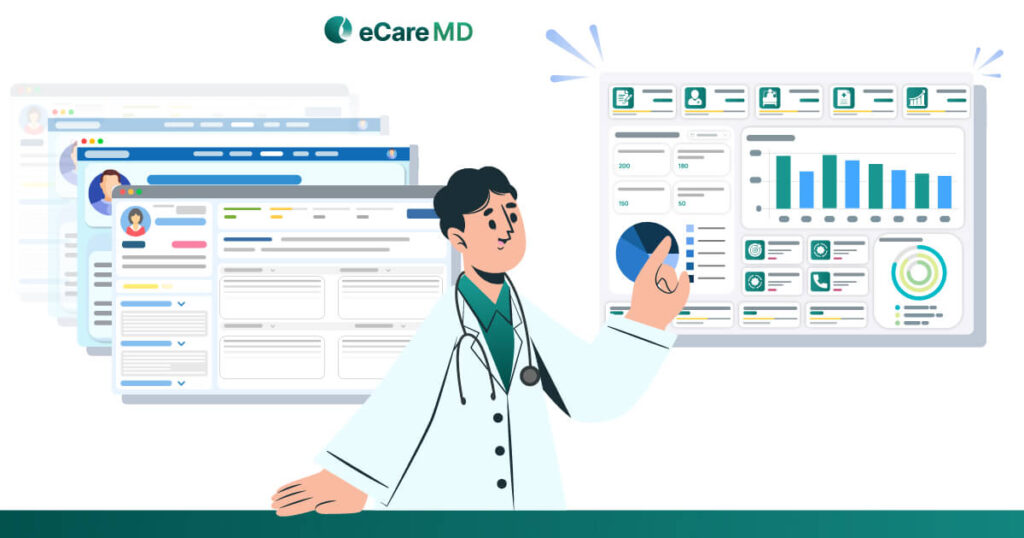
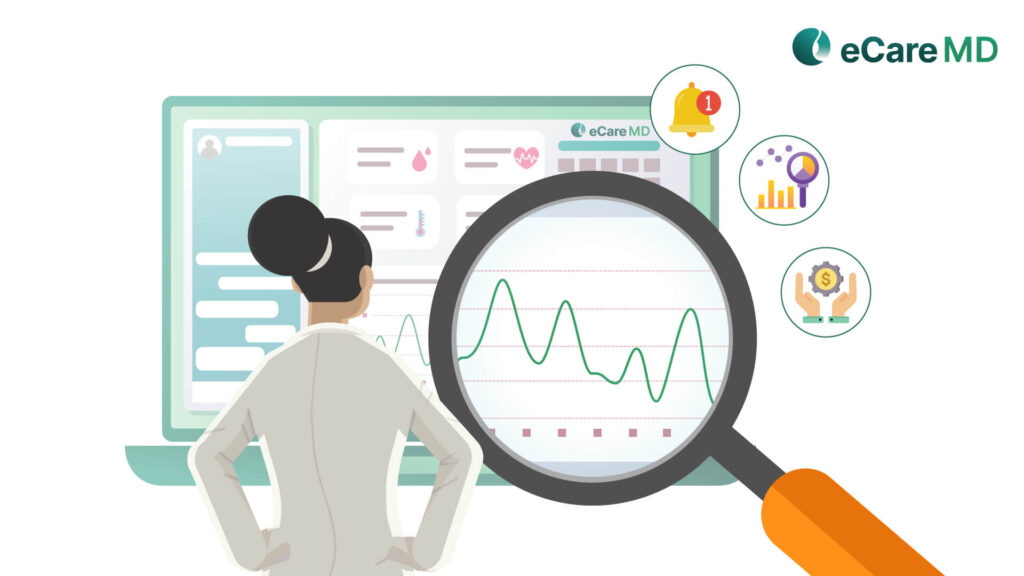
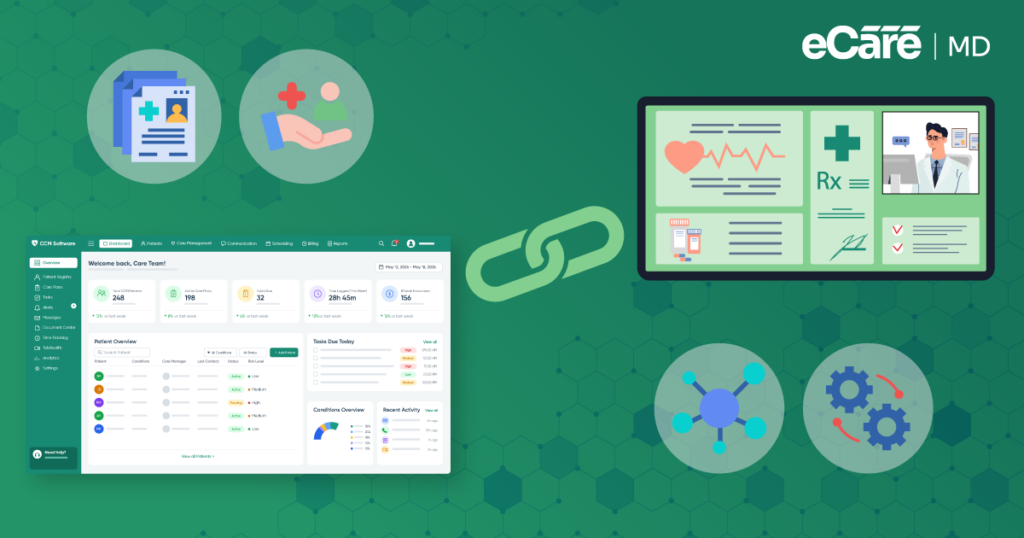
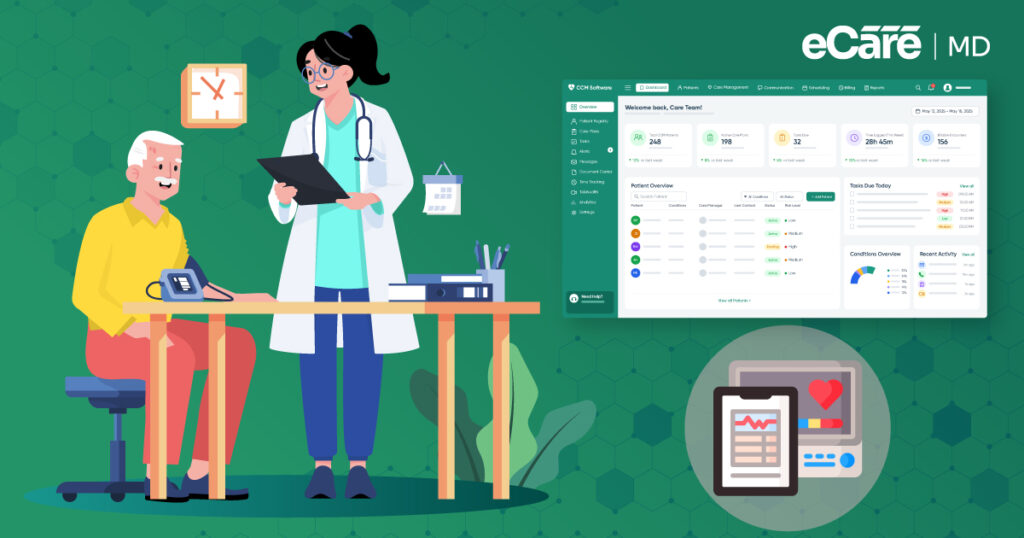
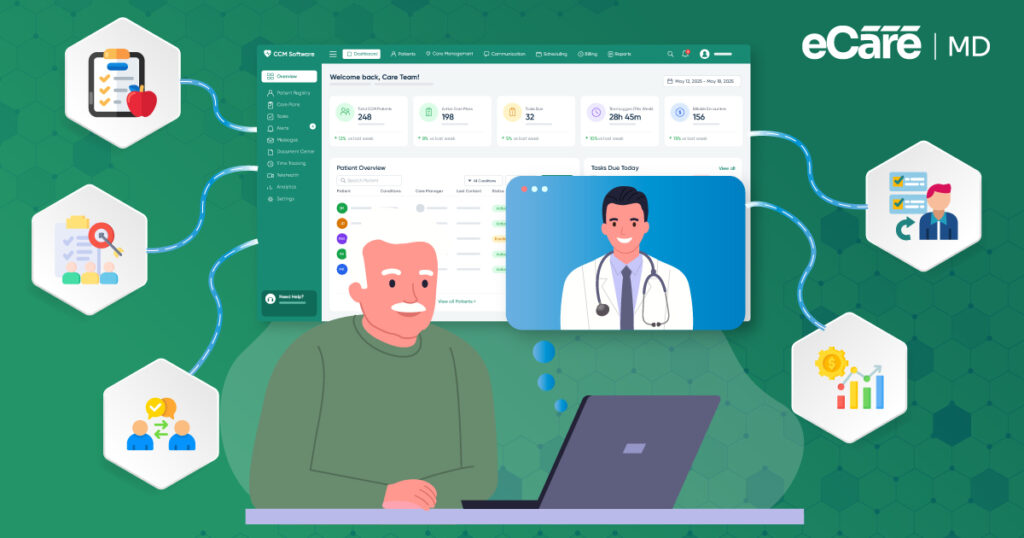
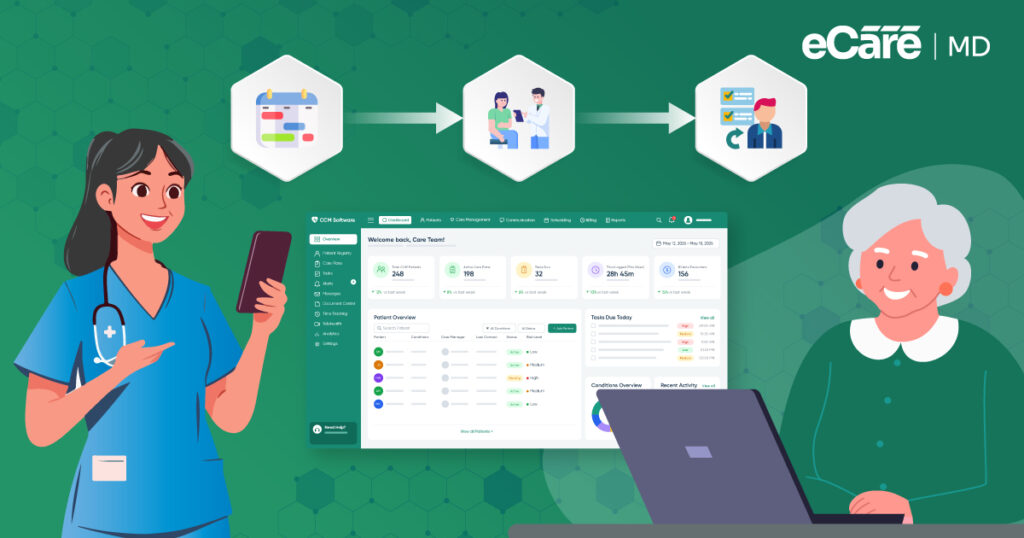
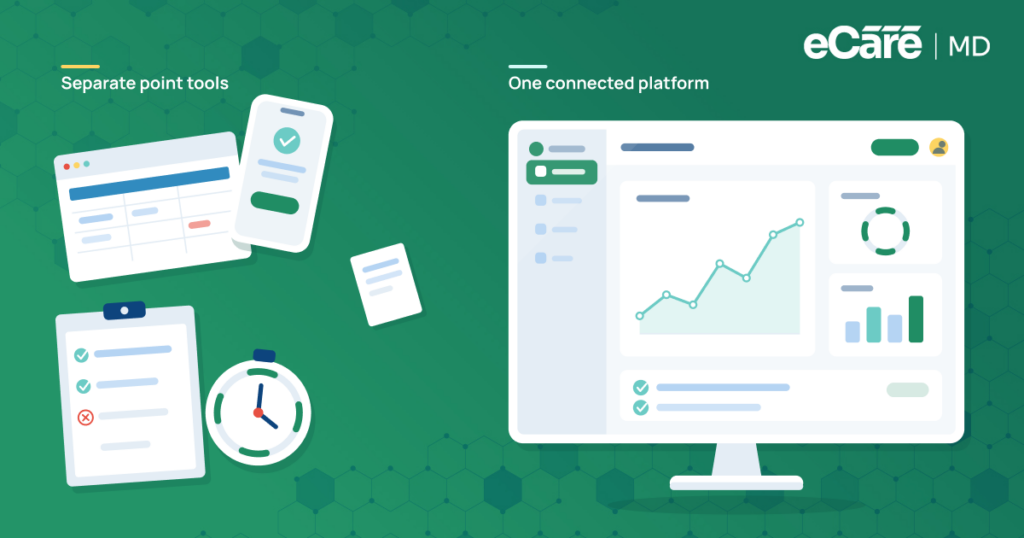
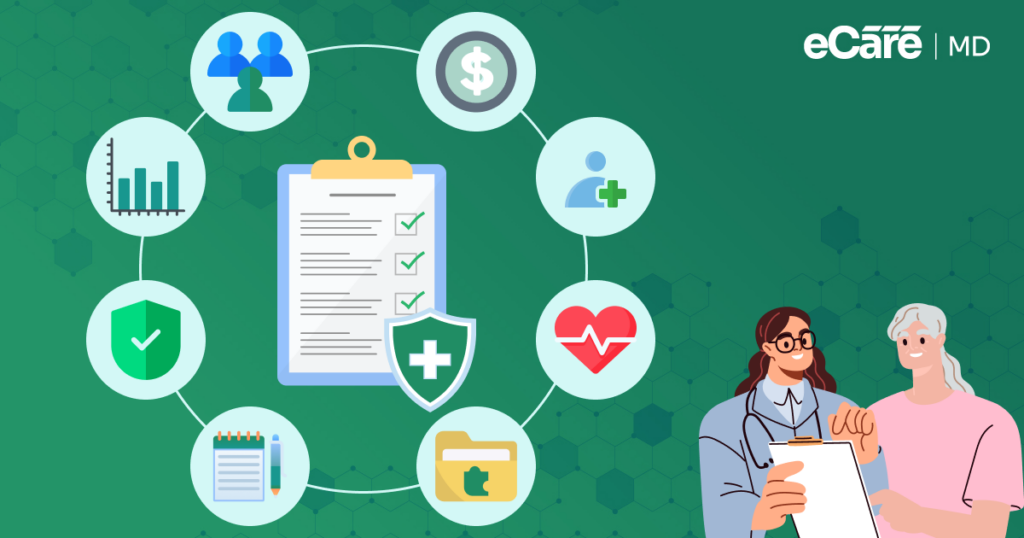
Furthermore, a reliable chronic care management platform also helps your practice to organize personalized care plans, monitor patient progress, and streamline long-term care. This also allows you to spend more time with patients rather than paperwork.
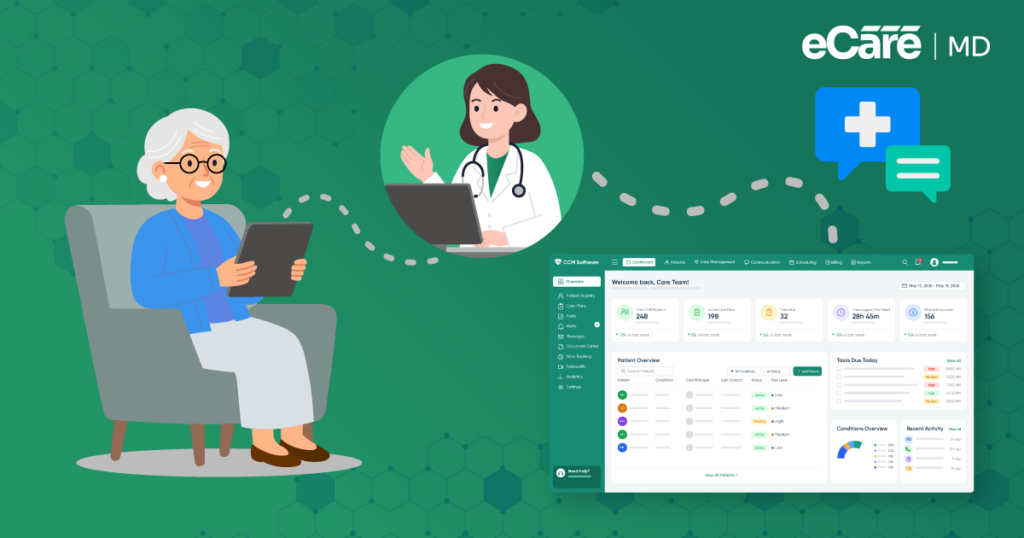
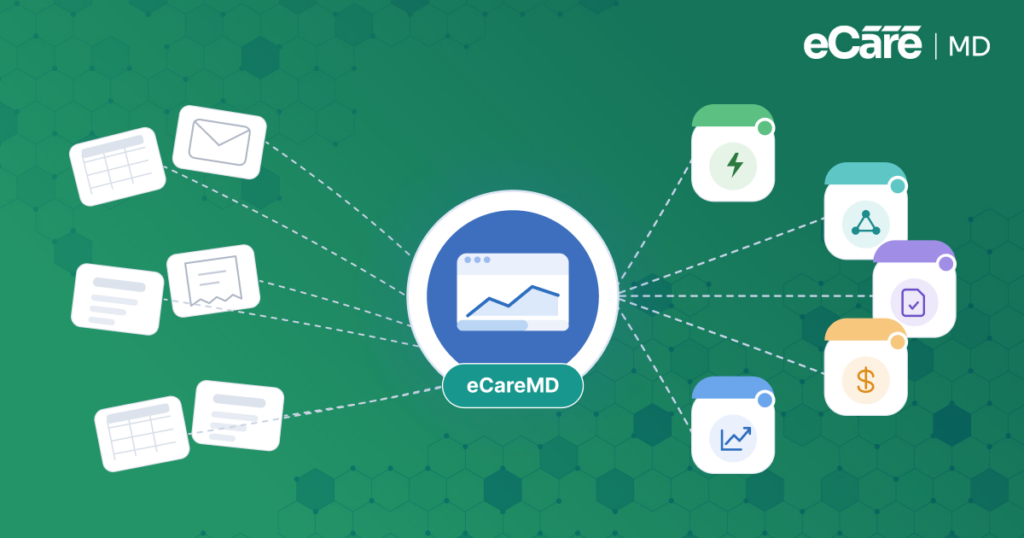
Solutions like eCareMD’s CCM software, which is developed by Medarch Inc., are designed for simplifying chronic care workflows, supporting compliant documentation, and improving care coordination. This helps your organization deliver better patient outcomes with greater efficiency.
Conclusion:
Managing chronic conditions is an ongoing commitment that extends far beyond treating symptoms during office visits. With the right combination of personalized care, preventive strategies, coordinated care, and regular follow-ups, healthcare providers can improve long-term patient outcomes while helping reduce avoidable complications and hospitalizations.
As patient needs continue to grow, technology has become an essential part of delivering efficient, connected care.
Exploring a reliable CCM software solution like eCareMD’s Chronic Care Management Platform can help healthcare organizations simplify care coordination, streamline documentation, and provide more consistent support for patients living with chronic conditions.
Frequently Asked Question’s
Chronic conditions are long-term health conditions that typically last for a year or more and require ongoing medical care or self-management. Unlike short-term illnesses, they often need continuous monitoring, lifestyle changes, medication management, and regular follow-ups to prevent complications. Common examples include diabetes, heart disease, COPD, arthritis, and chronic kidney disease.
Some of the most common chronic diseases include hypertension, type 2 diabetes, heart disease, chronic obstructive pulmonary disease (COPD), chronic kidney disease, arthritis, asthma, and certain mental health conditions. Many people live with more than one chronic condition, making coordinated care and long-term disease management even more important.
Effective chronic conditions management helps patients maintain better control over their health while reducing the risk of complications, hospitalizations, and disease progression. It also improves quality of life by encouraging medication adherence, regular monitoring, healthy lifestyle habits, and ongoing communication between patients and healthcare providers.
Healthcare providers can manage chronic conditions effectively by developing personalized care plans, promoting medication adherence, educating patients about their conditions, encouraging healthy lifestyle changes, and scheduling routine follow-ups. Coordinated care between primary care providers, specialists, and caregivers also plays an important role in improving long-term health outcomes.
Chronic diseases develop gradually and usually last for a year or longer, requiring continuous medical care and long-term management. Acute diseases, on the other hand, occur suddenly and are generally short-term, often resolving with prompt treatment. While a cold or flu is considered an acute illness, conditions such as diabetes and heart disease require lifelong management.
Although not all chronic diseases can be prevented, many can be delayed or their risk significantly reduced through healthy lifestyle choices. Regular exercise, a balanced diet, maintaining a healthy weight, avoiding tobacco, limiting alcohol consumption, and participating in preventive health screenings can help lower the risk of developing many chronic conditions.
Chronic conditions management provides patients with continuous support beyond routine office visits. It helps improve symptom control, reduces the likelihood of preventable complications, encourages better medication adherence, strengthens communication with healthcare providers, and enhances overall quality of life through more personalized and coordinated care.


![The Future of Remote Patient Monitoring: CMS Innovations & Emerging Trends [2026]](/wp-content/uploads/2024/07/Blog-36-The-Future-of-Remote-Patient-Monitoring_-Trends-AI-Innovation-CMS-Updates-for-2026-1024x538.png)