Last Updated: June 25, 2026
Remote Patient Monitoring (RPM) is expanding rapidly, with hospitals increasingly adopting it. In fact, according to research, there was a 40.3% increase in the number of hospitals offering RPM services.
However, with the rising adoption of RPM, audits are also growing. Due to this adoption, the CMS has been taking a close look at how these programs are run, billed, and documented.
This shift is changing the game for healthcare organizations. Delivering quality RPM services is not enough; now you also need to prove that every requirement is actually met. Missing content form, incomplete time logs, or billing mismatch can result in claim denials. What you think of as small mistakes can quickly add up to affect your entire program.
Additionally, staying up to date with the latest CMS remote patient monitoring regulations is also essential. These guidelines help to shape everything from enrollment to billing; overlooking this can put your entire program at high risk.
Let this blog be your comprehensive guide to learn more about how to prepare your RPM program for a CMS audit the right way, helping you to move forward with confidence.
What Triggers a CMS RPM Audit
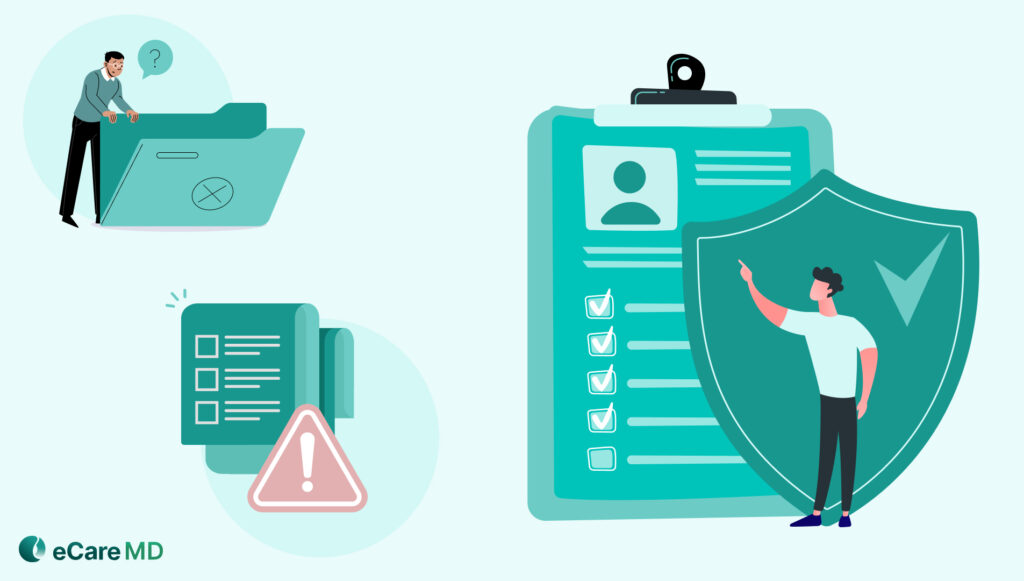
RPM audits never just happen randomly, and that’s the real fact. There are usually reasons behind them.
1. Billing Activity:
One of the common triggers among all of them is billing activity. If your RPM claims highlight very high usage or repetitive billing patterns, it can raise questions that can put your program under review.
2. Poor or inconsistent documentation:
This is another key issue. Missing consent, incomplete time tracking, or mismatches between services and billing can quickly create problems. Along with these, differences between what was documented and what was billed can also create major issues.
3. Enrollment and Eligibility Issue:
Another key challenge is enrollment and eligibility issues. If you do not clearly establish your patient’s eligibility or if your records are incomplete, it can become really difficult for you to justify services during an audit.
This is the reason why it is so important to understand the Medicare RPM audit process. When you already know what typically triggers audits, it is easy for you to quickly fix spots by strengthening your RPM documentation requirements.
What CMS Auditors Look for in RPM Programs
In a CMS audit, auditors always go through all records while connecting the dots. The major reason behind it is verifying that every billed RPM service is actually supported by clear, complete, and continuous documentation.
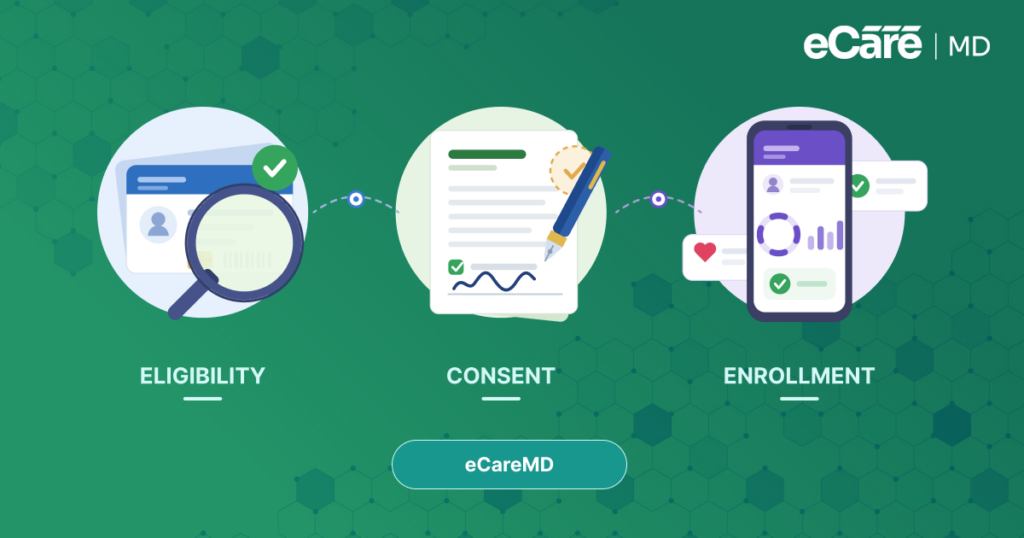
The first proof they always look for is patient consent and proper enrollment. With this, auditors expect to see when and how you obtained consent, and whether you documented it before services began. If you miss this step, it can quickly weaken your case.
Another key factor they always look for is device data and monitoring activity. As we already know, RPM totally relies on consistent patient data; auditors want evidence here that devices were actually used and that readings were continuously captured. It will be difficult for you if the data trail is incomplete or doesn’t match the billing.
Another thing they always review is clinical interaction and time documentation. You must have accurate logs to show how much time was tracked, what activities were performed, and how they align with billed codes. If tracking is done manually, you can face issues in this step.
Equally important is medical necessity. Auditors always need a clear clinical reason for why you provide RPM services to each patient. If you fail to give this justification, even correctly documented services can be at risk.
RPM Audit Documentation Checklist

Documentation is something that can either hold up or fall apart in the case of passing a remote patient monitoring audit. The CMS doesn’t want any assumptions; they always rely on records. Even your properly delivered services can be questioned if your documentation is not complete or consistent.
This is the reason why documentation is the backbone of RPM CMS audit preparation. However, to stay on solid ground, your program should consistently maintain:
1. Consent and enrollment records:
Consent is solid proof that shows your patient agreed to RPM services while enrolled properly before any monitoring began. With this, it becomes easy to verify dates, the method of consent, and eligibility details.
2. Monitoring data logs:
Consistent device data shows your patients are actively being monitored. If there are any gaps, missing readings, or data that don’t align with billed services, it can create concerns.
3. Clinical time and communication records:
It involves accurate logs of the time you spent on patient interactions, care management, and follow-ups. It is necessary that it should directly support the services billed.
4. Medical necessity documentation:
Medical necessity documentation should include a clear reason why RPM was required for each patient. Without this, even well-documented services can feel like they’re built on shaky ground.
Common Audit Failures and How to Avoid Them
During an audit time, even well-run RPM programs can face clashes, and the reason behind it is that the details didn’t fully line up. When CMS reviews these records, those small gaps can turn into major issues.
Missing or incomplete documentation is one of the common reasons for audit failure. If you do not capture consent records, time logs, or monitoring data properly, it can become really difficult for you to prove that services were delivered as required.
Another major issue is billing without meeting all requirements, which can usually happen when time thresholds are not met fully, device data is insufficient, or eligibility requirements are not clearly established.
The lack of clear proof for clinical interaction is another key issue, as auditors expect to see exactly how and when you engaged with your patients. If you are unable to properly log these interactions, it creates gaps that are hard to justify later.
All these failures can lead to claim denials, where your payments are rejected, and medicare recoupment, where previously paid claims are also taken back.
However, most of these issues are preventable. You can catch these errors early by reviewing and validating your data and documentation.
Building an Audit-Ready RPM Workflow
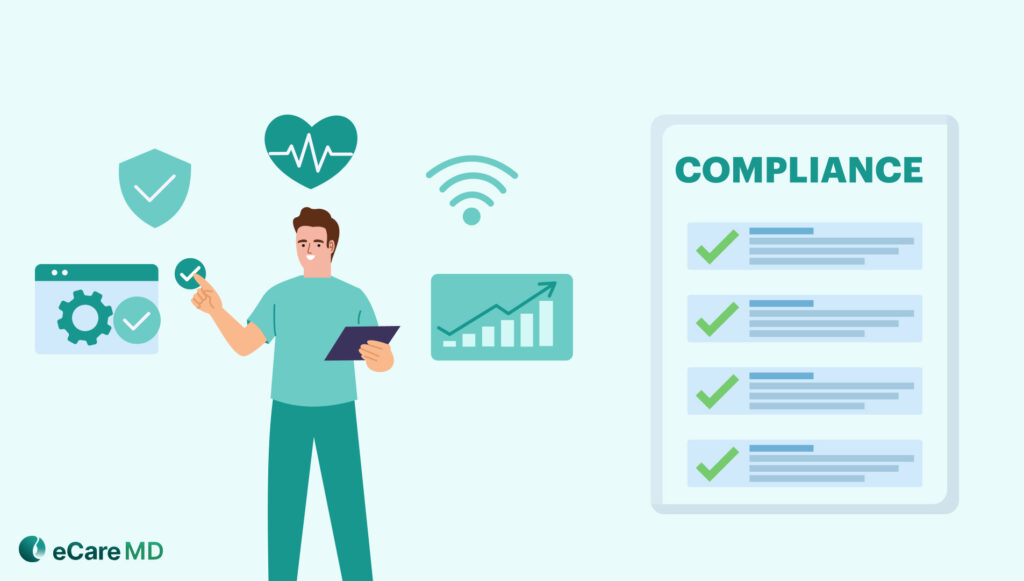
By this point, you may have understood that passing an audit is not about last-minute fixes; it is actually how you run your RPM program every single day. If you have an audit-ready workflow, you will not scramble to gather proof.
The core pillar behind this is standardized documentation and tracking. When each member of your team follows the same consent capturing process, logging time, and patient interactions recording, there is a high chance that you can remove inconsistency.
Another key factor is ensuring that all compliance elements are captured consistently. Every step from enrollment to device data to clinical notes must be connected seamlessly. Even if one piece is missing or doesn’t align with the rest, it can break down your entire documentation chain.
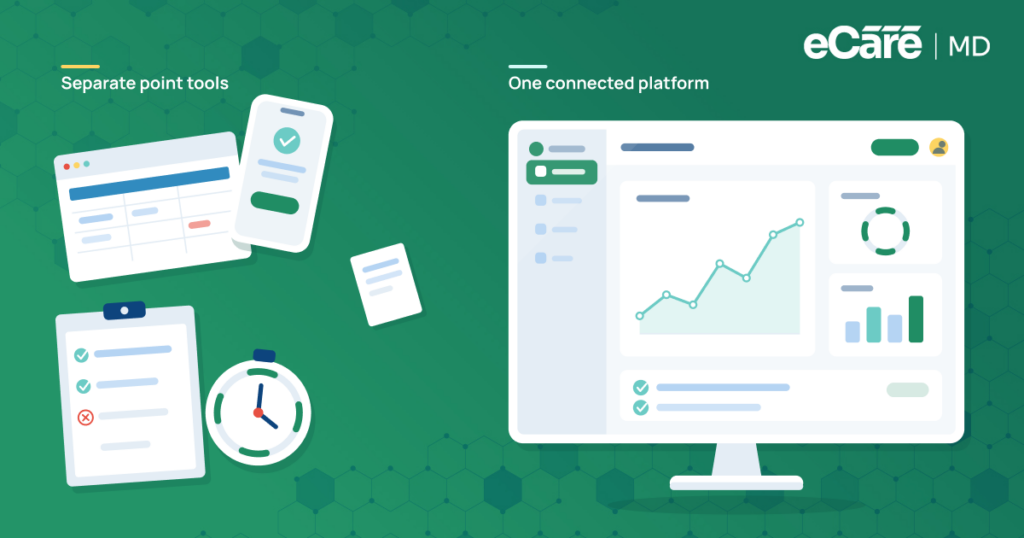
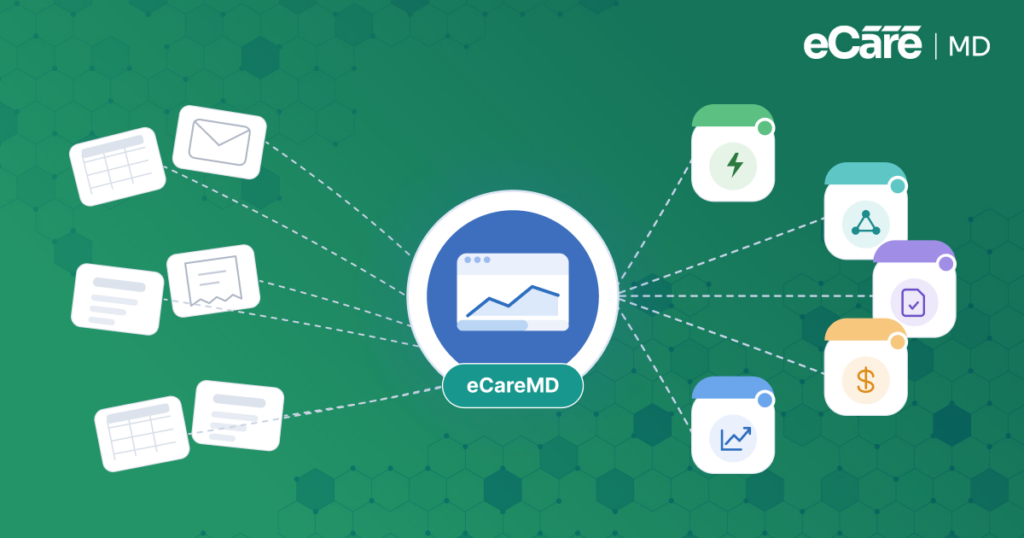
However, with tools offering real-time tracking, built-in validation, and audit-ready records, you can easily ensure that nothing is missed. Rather than depending on manual processes or scattered systems, everything can be captured as it happens, reducing errors and saving your time.
Care Coordination Software Cost Estimation Tool for Your RPM Program
Download NowConclusion: Stay Audit-Ready, Stay Protected
Audit readiness isn’t a one-time task; it’s an ongoing process. In RPM, consistent documentation and structured workflows are what keep you compliant and financially protected.
Strong processes don’t just help you pass audits; they help you avoid denials and recoupment altogether. Simply put, when your foundation is solid, audits become far less stressful.
In the end, RPM CMS audit preparation is about staying ready, not reacting late.
Strengthen your RPM audit readiness with structured workflows. Click here to learn more.
Frequently Asked Question’s
Audits are usually triggered by patterns that seem inconsistent. The Centers for Medicare & Medicaid Services (CMS) may flag unusual billing trends, high utilization of RPM codes, missing or inconsistent documentation, or gaps in patient enrollment and eligibility. Even small discrepancies can draw attention if they repeat over time.
Auditors look for clear, complete, and verifiable records. This includes proof of patient consent, proper enrollment, device data and monitoring activity, clinical interaction with accurate time tracking, and medical necessity. Every element should align with what was billed—nothing should feel disconnected.
Key RPM documentation requirements include consent and enrollment records, device data logs, clinical time and communication records, and documentation supporting medical necessity. These records should be detailed, consistent, and easy to retrieve during an audit.
Most failures come down to incomplete documentation, billing without meeting all requirements, or lack of proof for clinical interaction. These gaps often lead to claim denials or Medicare recoupment, even if services were actually provided.
An RPM audit documentation checklist typically includes patient consent and enrollment details, monitoring data logs, clinical interaction and time records, and proof of medical necessity. Together, these elements create a complete record that supports compliance and billing accuracy.


















![The Future of Remote Patient Monitoring: CMS Innovations & Emerging Trends [2026]](/wp-content/uploads/2024/07/Blog-36-The-Future-of-Remote-Patient-Monitoring_-Trends-AI-Innovation-CMS-Updates-for-2026-1024x538.png)