Last Updated: August 26, 2026
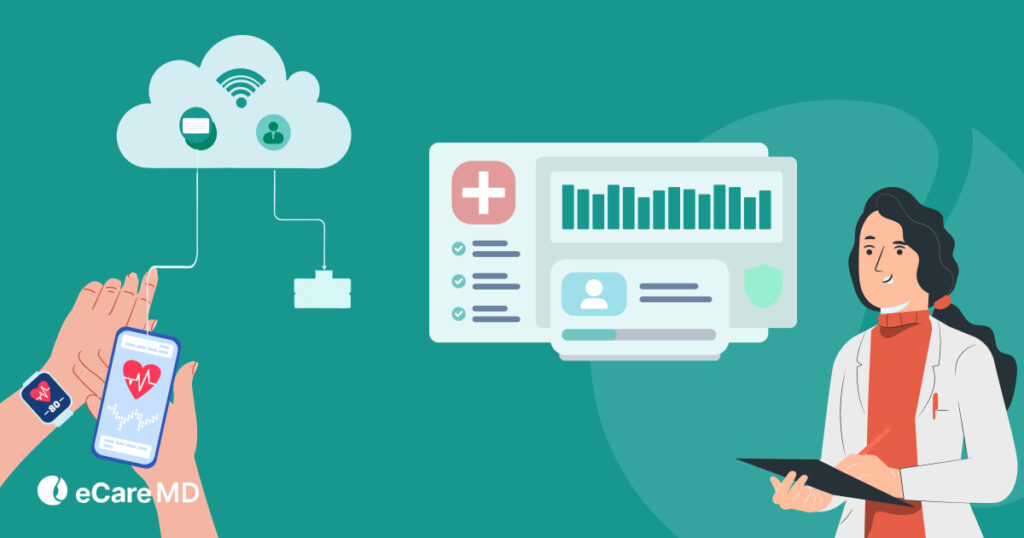
Small practices need affordable, easy-to-launch RPM software with billing built-in and minimal IT effort.
Because Growth sounds great on paper or for reading, until small practices have to manage it.
It is true that adding Remote Patient Monitoring (RPM) to their care model enhances better patient outcomes. However, for many clinics, RPM also brings added complexity.
Most remote patient monitoring solutions for clinics are specifically built for larger systems, which makes it difficult for implementation and management in smaller settings.
Even one small inefficiency with limited staff, increasing patient loads, and tight budgets can feel like the tip of the iceberg. Your care teams can end up struggling with multiple tools, handling manual tasks, and trying to keep everything on track.
Over time, it can result in burnout and missed opportunities.
But here’s where the tide turns.
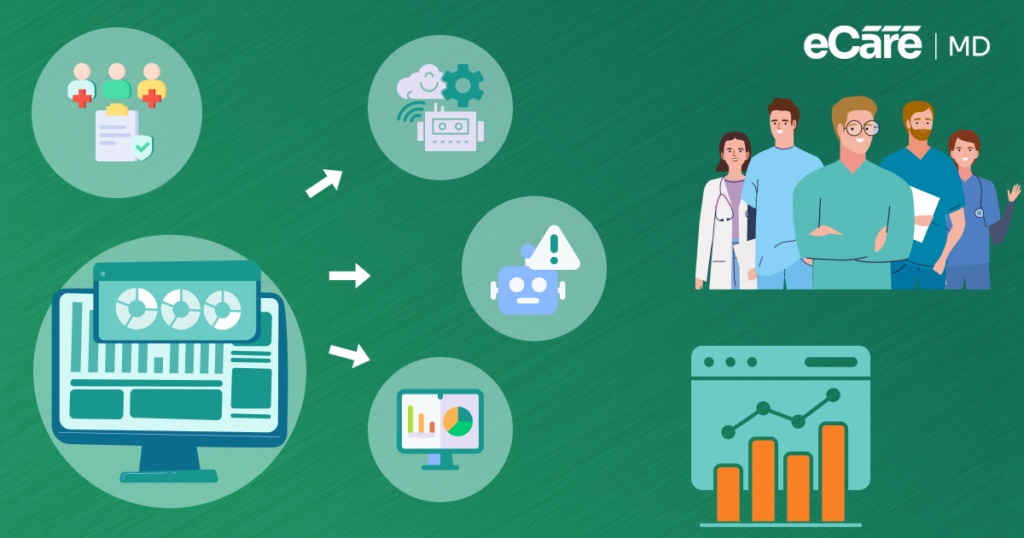
Rather than adding complexities, the right RPM platform simplifies. Automation and streamlined workflows assist small teams in managing more patients without stretching resources too thin. This makes growth actually sustainable.
Let this blog be your guide to understand what makes the best RPM solutions for small practices, and how the right system can help you scale smarter, not harder.
Key Takeaways
- Small practices should choose RPM software that is easy to launch, simple to use, and capable of reducing manual work.
- Automation, EHR integration, device compatibility, billing support, and scalability are key capabilities for growing RPM programs.
- Full-service, software-only, and hybrid RPM models offer different levels of control, cost, and operational support.
- A scalable RPM platform can help small teams manage growing patient volumes without adding the same level of administrative workload.
- The best RPM software is the one that fits the practice’s current resources while supporting future growth.
What's the Best RPM Software for a Small Practice?
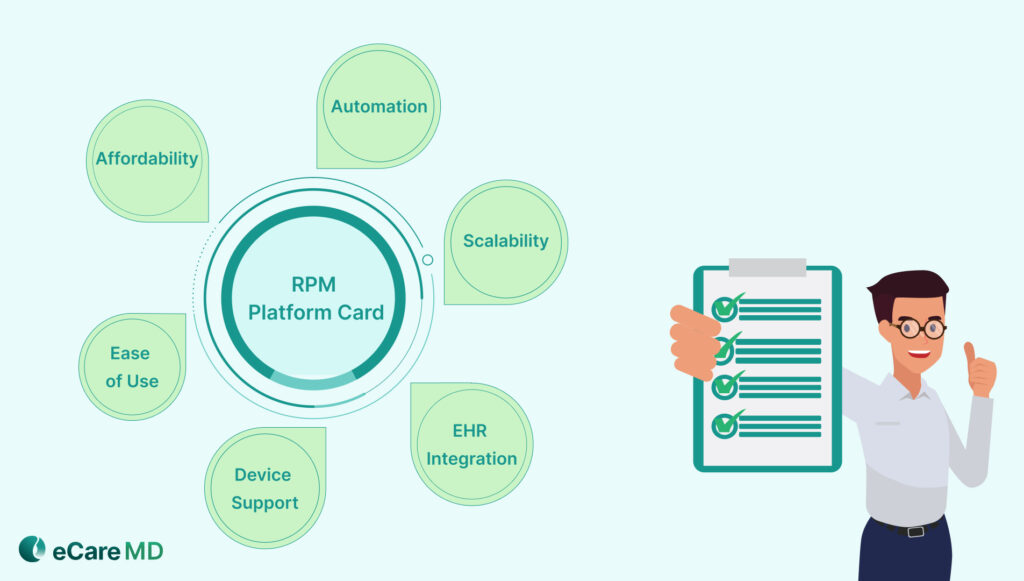
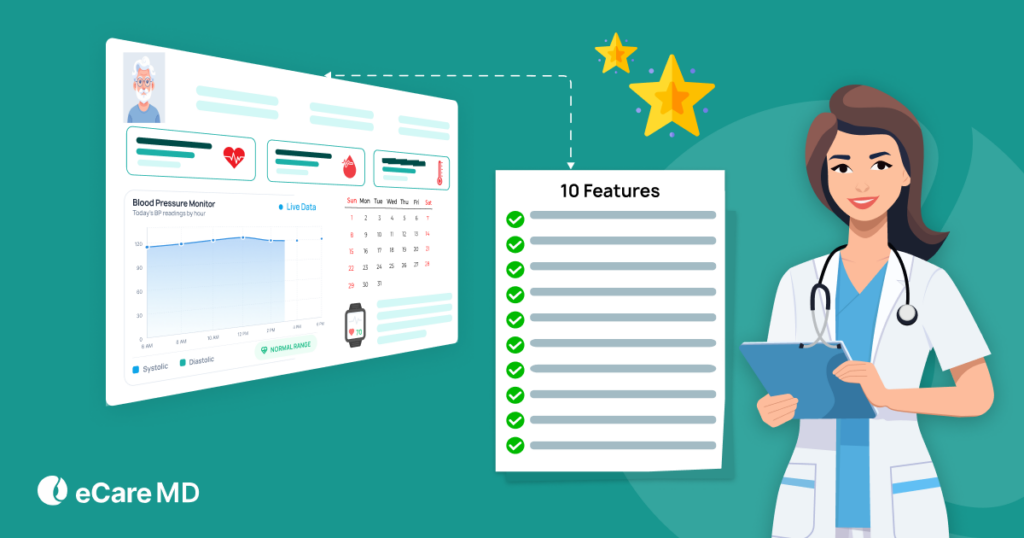
For small practices, the best RPM software should simplify daily operations rather than add another layer of complexity. Look for automation, EHR integration, device compatibility, ease of use, scalability, and predictable costs.
Selecting the right RPM platform is all about the right features that will actually make your life easier. The first essential factor is automation. With automation, the best RPM software for small practices can minimize manual work, including data tracking or patient follow-ups. This further helps your team not just be stuck in repetitive tasks all day.
The next feature is scalability. As the name suggests, along with growing patient volumes, your system should also grow with you. That’s why scalable RPM solutions for growing healthcare practices are essential, so you don’t hit a wall later.
Another key dealbreaker is integration. It means that your RPM platform should always work seamlessly with EHRs like Athenahealth, DrChrono, and Elation. If not, you can end up struggling with systems rather than streamlining care.
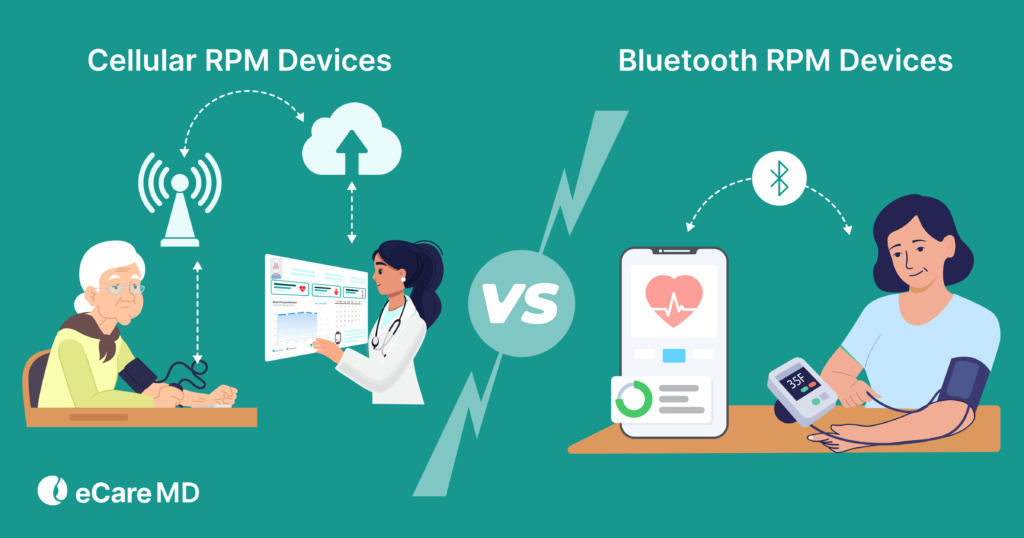
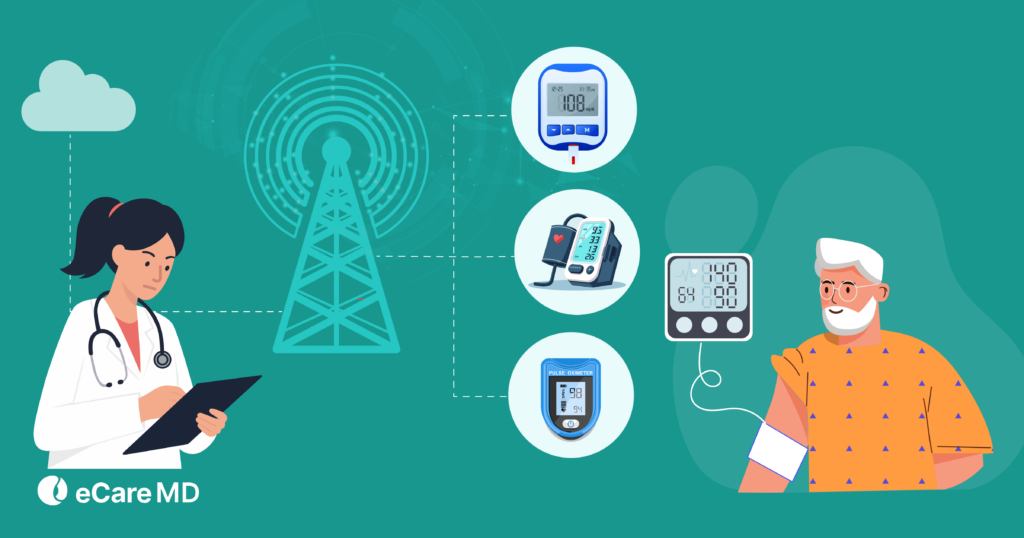
An additional factor that can matter more than it seems is device support. Devices like cellular and Bluetooth ensure flexibility for different patient needs without adding friction.
On top of that is simplicity. Your platform should be easy to use; if it were complicated, it would not stick. Along with these, your aim should be to choose affordable RPM platforms for independent physicians that deliver value over time.
Which Type of RPM Solution Is Best for a Small Practice?
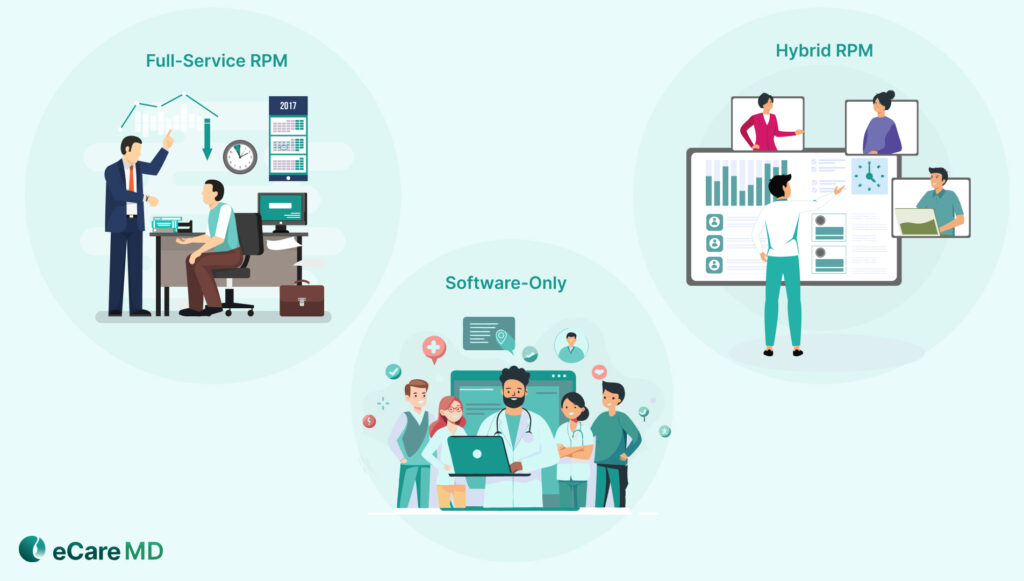
All RPM platforms cannot work the same way. In the case of small practices, this difference is clearly visible as it can affect workload, cost, and long-term scalability.
Let’s explore types of RPM solutions one by one:
1. Full-Service Providers:
From devices to patient monitoring, these solutions involve taking care of everything. You may think that it is more ideal as it significantly decreases the overall burden of your internal team. Even so, this level of convenience comes at a higher cost. Additionally, it can limit your control over workflows and customization.
2. Software-Only Platforms:
Software-only platforms offer the tools, but the execution stays in your hands. They are more affordable and offer full control over how you run your RPM program. However, these platforms require your internal staff to put in more effort for managing, monitoring, coordinating, and operations.
3. Hybrid Platforms:
Hybrid platforms are something where almost all practices find their sweet spot. These platforms combine automation with flexibility, minimize manual workload, and keep control in your hands. They provide a perfect balance between cost, efficiency, and scalability.
All these factors together make these platforms ideal for expansion. And this is the reason why hybrid models are considered the best RPM systems for small clinics.
What Features Should Small Practices Look for in RPM Software?

A strong RPM platform depends on how efficiently it supports real-world clinical workflows in small practices. First and foremost, your platform should always automate monitoring and documentation.
If your team spends less time on manual work, they can focus more on patient care. This is where the best RPM software for small practices truly stands out.
Along with this, your platform should also support billing and compliance without creating an extra administrative burden. You can avoid issues in billing, like revenue leakage, only when these processes run smoothly in the background.
Seamless EHR integration is another key factor to have. It is necessary to ensure that your RPM system works seamlessly with tools like Athenahealth, DrChrono, and Elation rather than operating in isolation.
Equally important is scalability. Without creating unnecessary complexity, your platform should grow with your practice. This makes it easier to adopt scalable RPM solutions for growing healthcare practices.
Whether it is cellular or Bluetooth-based devices, device flexibility is one of the important things. Your system should support multiple data sources without disturbing overall workflows.
Additionally, it should also reduce hidden costs, which can go unnoticed but add up quickly over time. These hidden costs include extra staff time, manual errors, and inefficient processes.
How Does eCareMD Support Small and Mid-Size Practices?
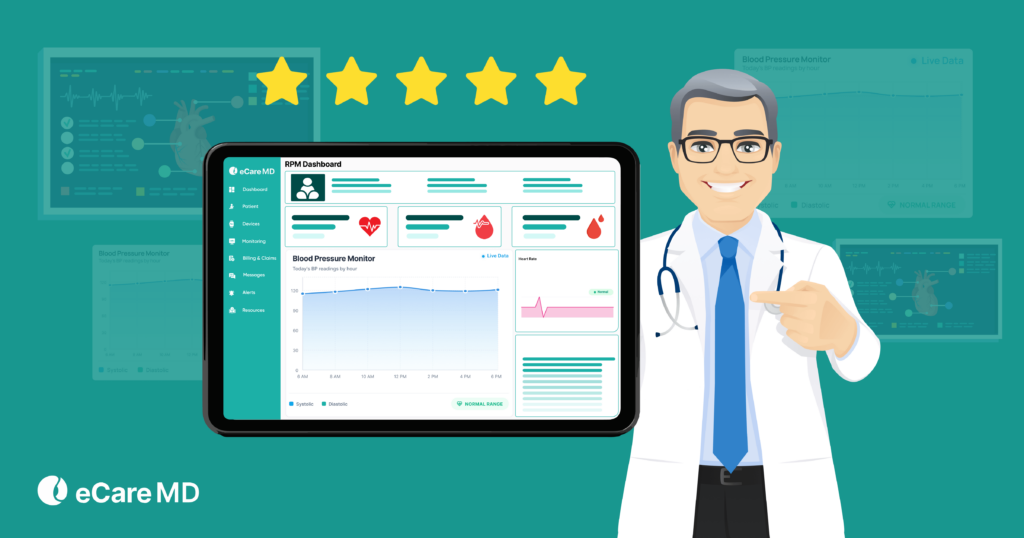
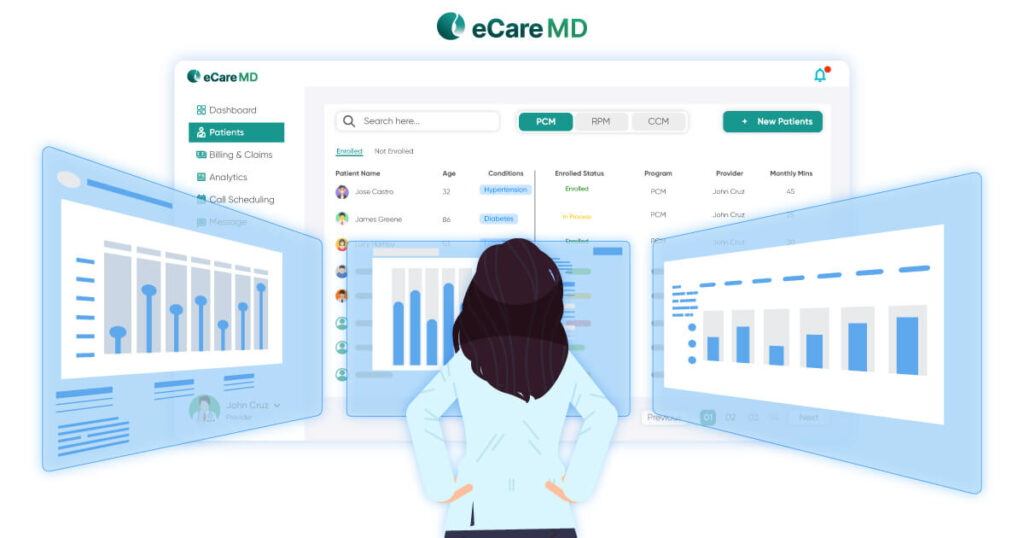
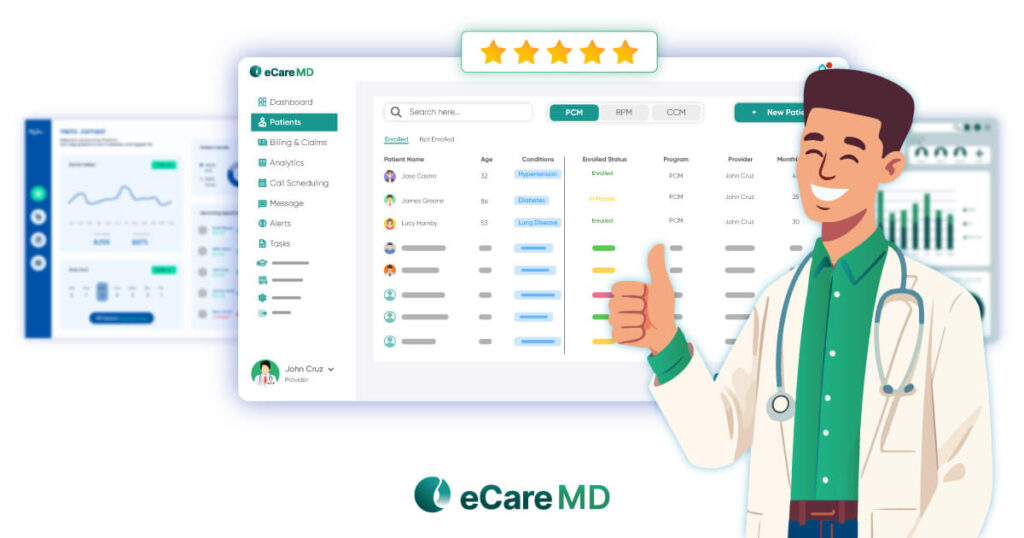
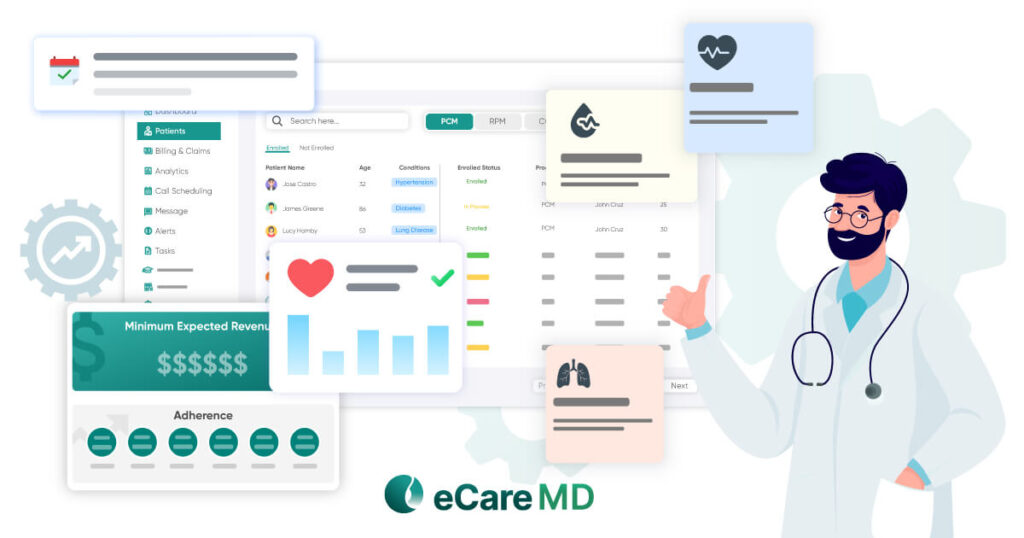
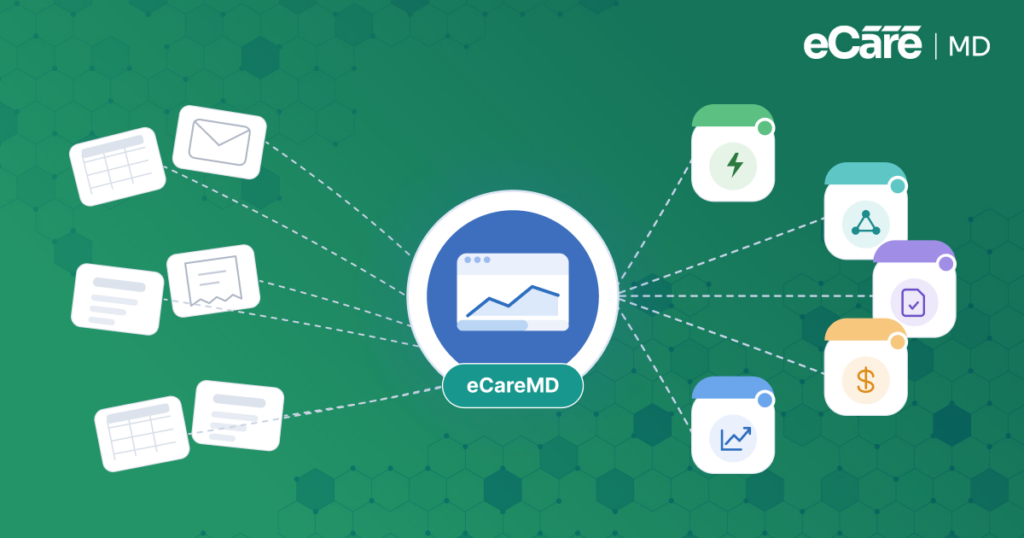
A strong example of a scalable RPM solution is eCareMD. eCareMD is specifically designed to support small and mid-size healthcare practices that need efficiency without adding any complexity.
Instead of struggling with heavy systems, eCareMD helps you to focus on automation, scalability, and smoother day-to-day workflows.
Let’s explore more about it:
| Key Area | How eCareMD Supports It |
|---|---|
| Built for small & mid-size practices | Designed specifically for growing clinics with limited staff and resources |
| Automation | Reduces manual work like tracking, documentation, and follow-ups |
| Billing accuracy | Improves revenue capture and reduces errors in billing workflows |
| EHR integration | Integrates easily with existing systems like EHR platforms |
| Scalability | Supports growth from small patient loads to large-scale RPM programs |
| Operational impact | Helps teams manage more patients without increasing staff |
| Performance insight | Automation-driven RPM platforms reports that there is significant reduction in administrative workload and improvement in billing consistency |
By combining automation with scalability, platforms like eCareMD align closely with what modern scalable RPM solutions for growing healthcare practices should deliver: less manual effort, better financial accuracy, and smoother patient management.
Download Free Guide - Care Coordination Software Cost Estimation Tool for Your RPM Program
Download NowConclusion
The best RPM platform is not the most complex one, but the one that fits your practice today and scales for tomorrow.
Small practices need tools that are simple, efficient, and capable of saving time while improving revenue. A system that reduces manual work and supports smoother workflows always delivers more value in the long run than one that only looks affordable upfront.
That’s why the focus should be on long-term value, not just low cost. A scalable system prevents future headaches and avoids the need for constant switching as your patient base grows.
Ultimately, the best RPM solutions for small and mid-sized healthcare practices are the ones that grow with you from day one.
Click here to explore what fits your practice. Book a demo, request a starter guide, or schedule a quick consultation to get started.
Frequently Asked Question’s
RPM automation reduces manual tasks such as data entry, patient follow-ups, and report generation. This allows small teams to manage more patients with the same staff. By minimizing repetitive work and improving workflow efficiency, automation helps reduce the need for additional administrative hires.
Small practices should prioritize automation, EHR integration, ease of use, device compatibility, and scalability. The platform should also support billing accuracy, compliance tracking, and real-time patient monitoring. Most importantly, it should simplify daily operations rather than complicate them.
Yes, most modern RPM platforms are designed to integrate with major EHR systems. This ensures smooth data flow between patient monitoring tools and clinical records, reducing duplication and errors. Strong EHR integration improves efficiency and helps maintain a unified view of patient health data across systems.













![The Future of Remote Patient Monitoring: CMS Innovations & Emerging Trends [2026]](/wp-content/uploads/2024/07/Blog-36-The-Future-of-Remote-Patient-Monitoring_-Trends-AI-Innovation-CMS-Updates-for-2026-1024x538.png)