Last Updated: July 2, 2026
The number of Americans ages 65 and older is projected to increase from 58 million in 2022 to 82 million by 2050.
This huge number shows how quickly the aging population is growing, and with it, the demand for high-quality chronic care is also rising.
In fact, by 2040, the number of adults age 85 and older is projected to be 13.7 million, more than double the number in 2023. Here, you might understand that this group needs continuous monitoring the most.
However, when it comes to technology-driven care, there is a gap between what’s available and what’s actually used.
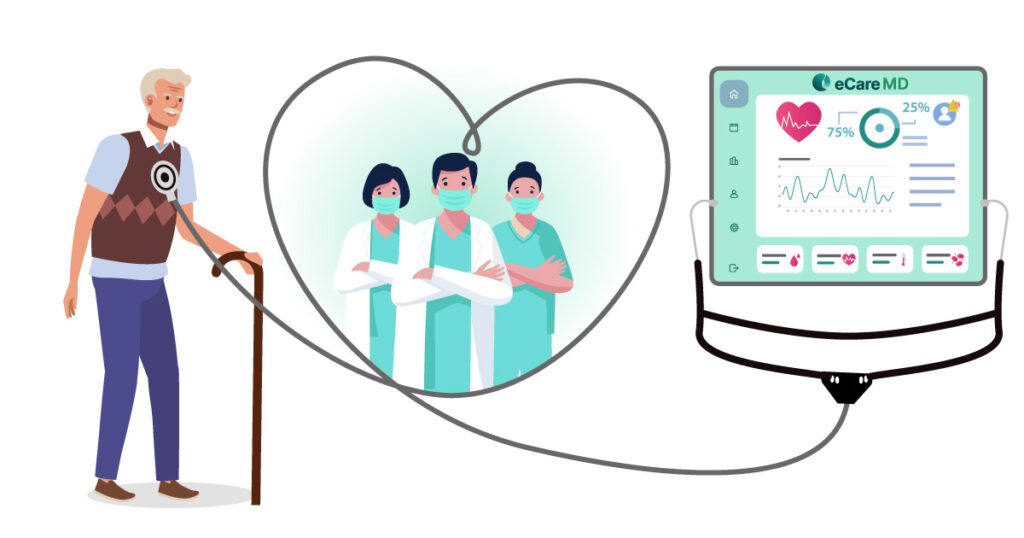
Here, remote care solutions can offer better outcomes, but for many older adults, adoption is not that easy. Unfamiliarity with technology, as well as physical and cognitive challenges, can affect engagement and impact results. And, this is exactly where Remote Patient Monitoring (RPM) for elderly patients becomes necessary as a patient-first approach.
If your patients are not comfortable, even the most advanced programs can fall flat. Closing this gap needs not only devices, but also key strategies that can truly connect with seniors.
Why RPM Matters for Elderly Patients
Did you know that, among adults ages 65 and older, more than 90% have at least one chronic condition?
Chronic conditions like heart failure, Chronic Obstructive Pulmonary Disease (COPD), diabetes, hypertension, etc., are not common; they require continuous monitoring to prevent complications.
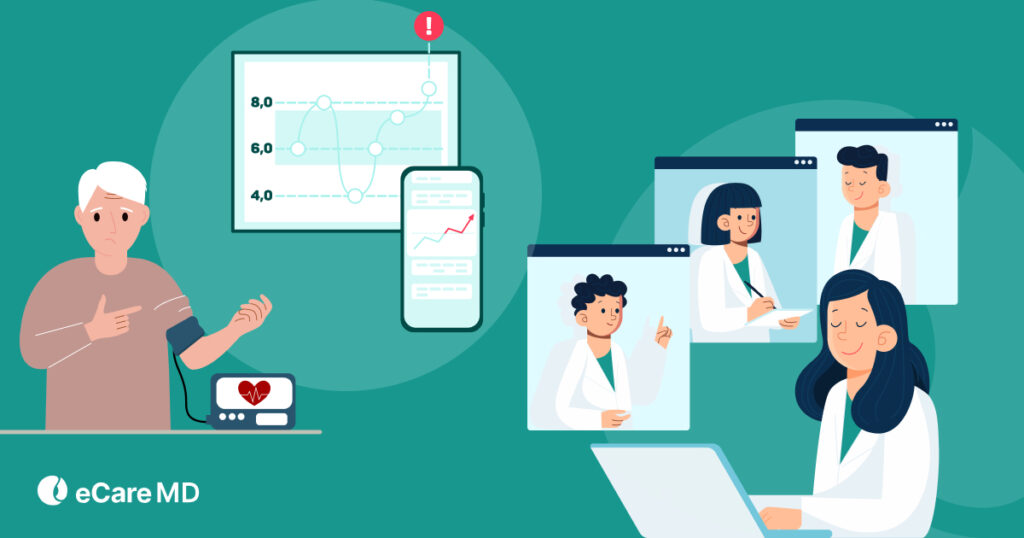
If you overlook, things can turn quickly. For elderly patients, even one small mistake like a rise in blood pressure or a drop in oxygen levels can create serious complications. These complications further result in increased hospitalization, emergency visits, and a cycle that’s hard to break.
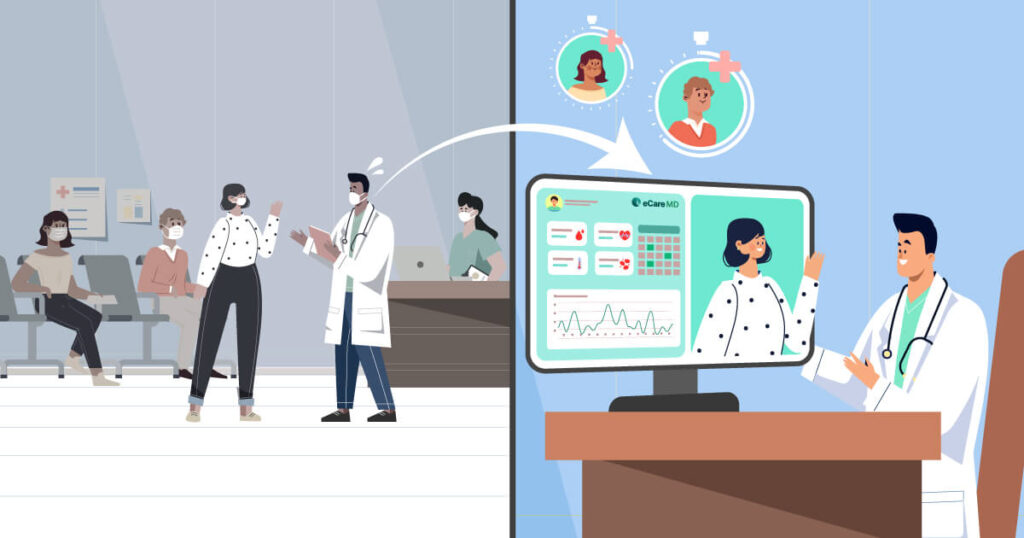
With traditional care models, you cannot catch these early warning signs in time, as these models depend heavily on occasional in-person visits. And, this is where geriatric remote patient monitoring proves its true value.
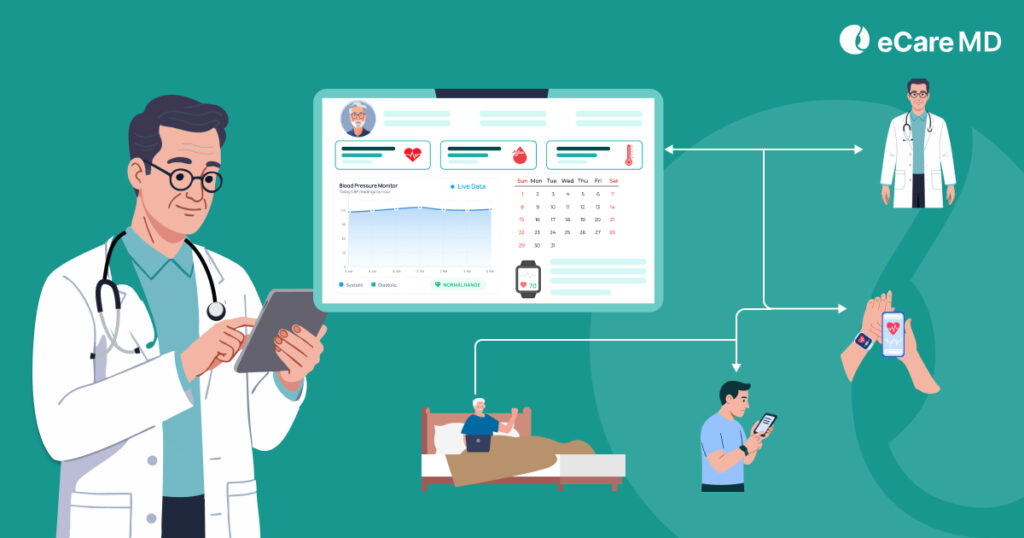
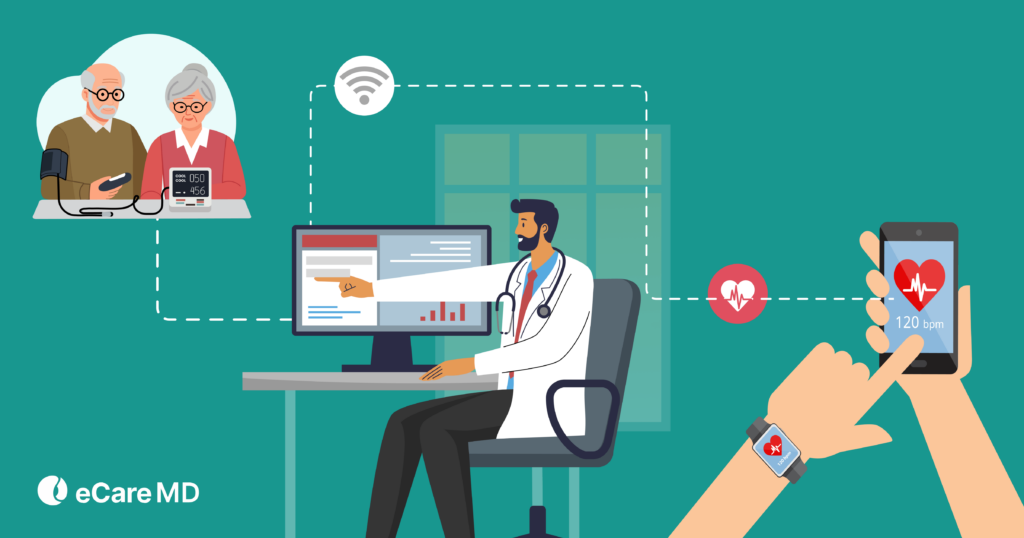
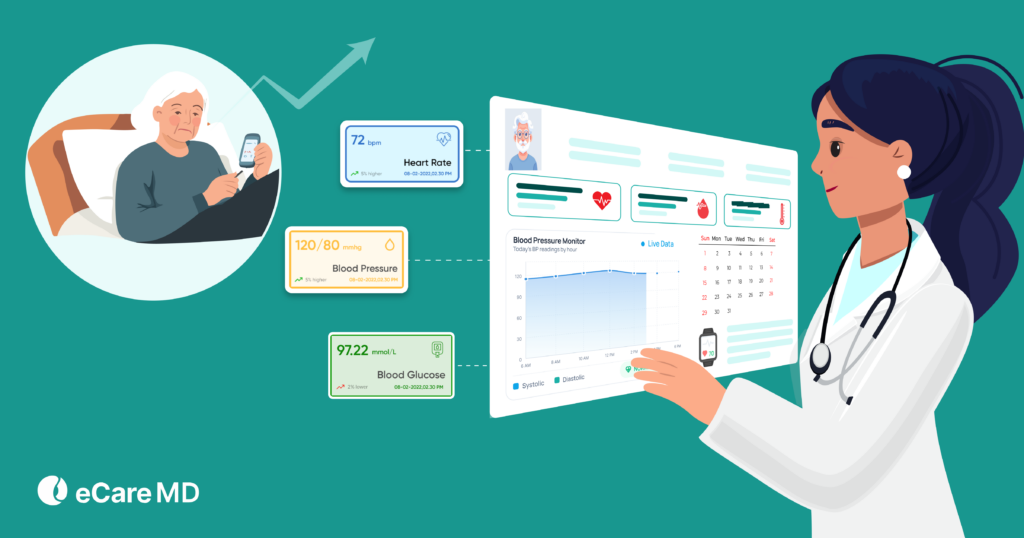
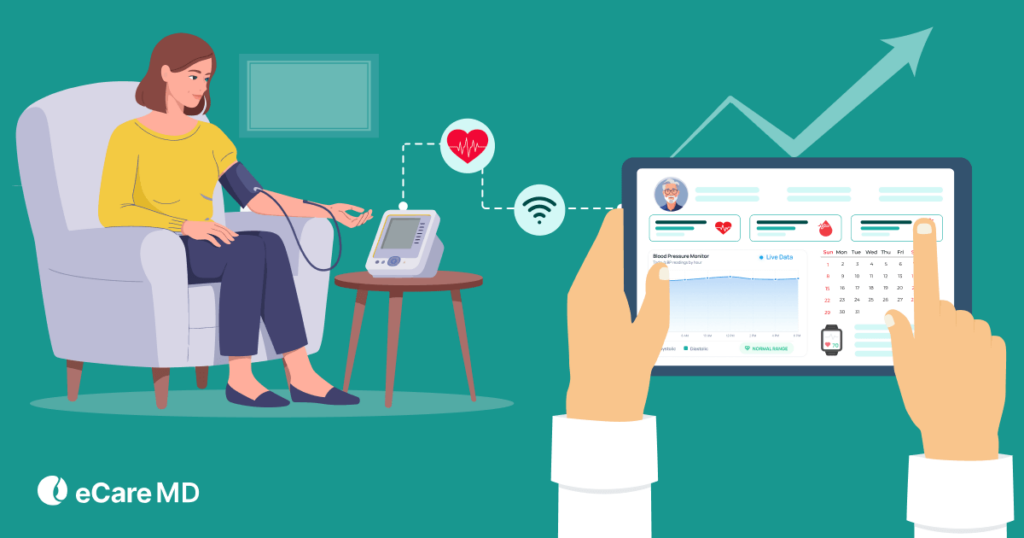
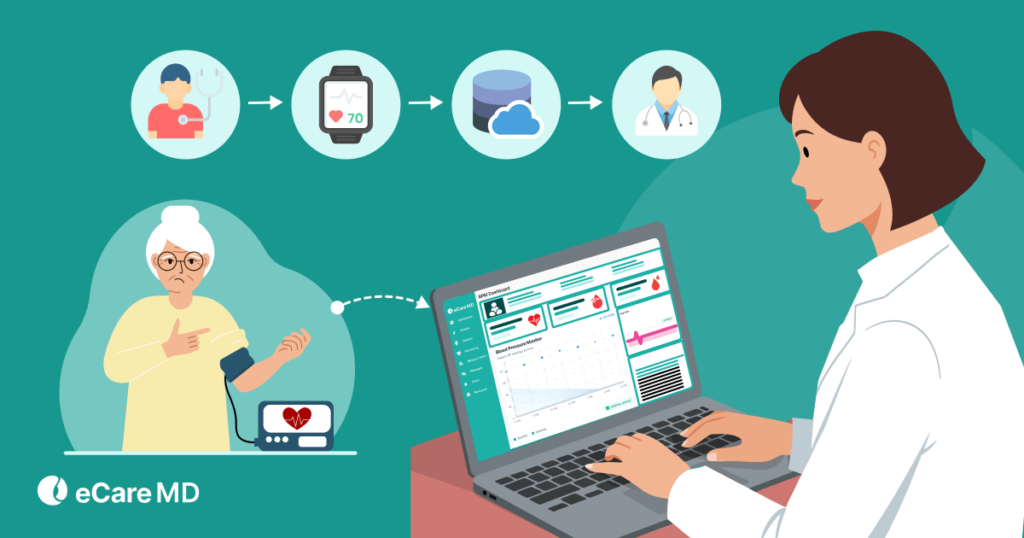
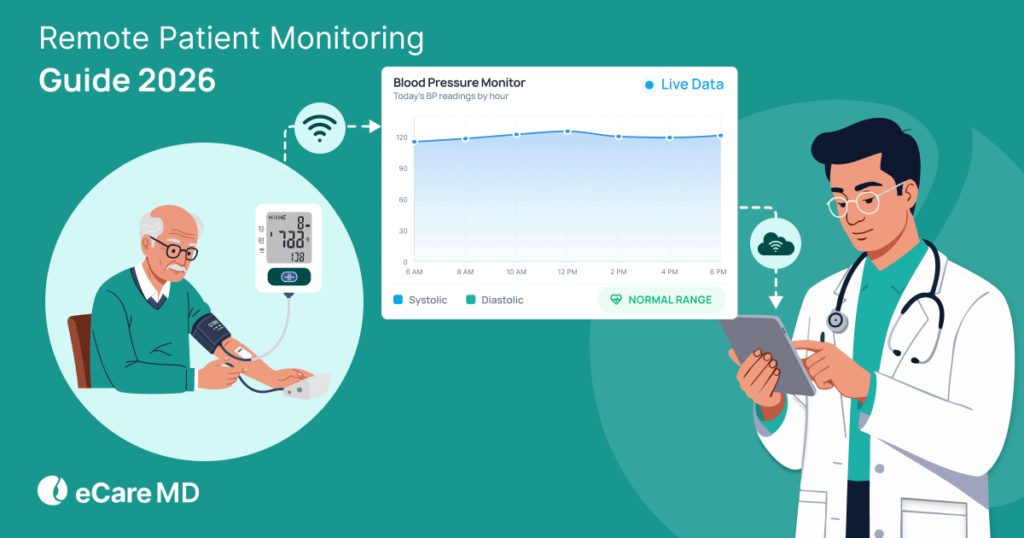
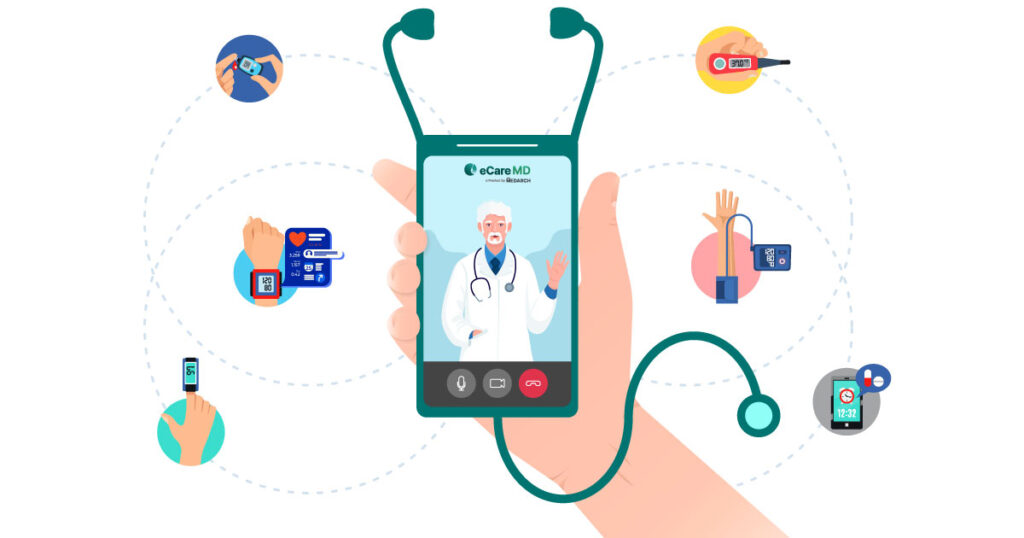
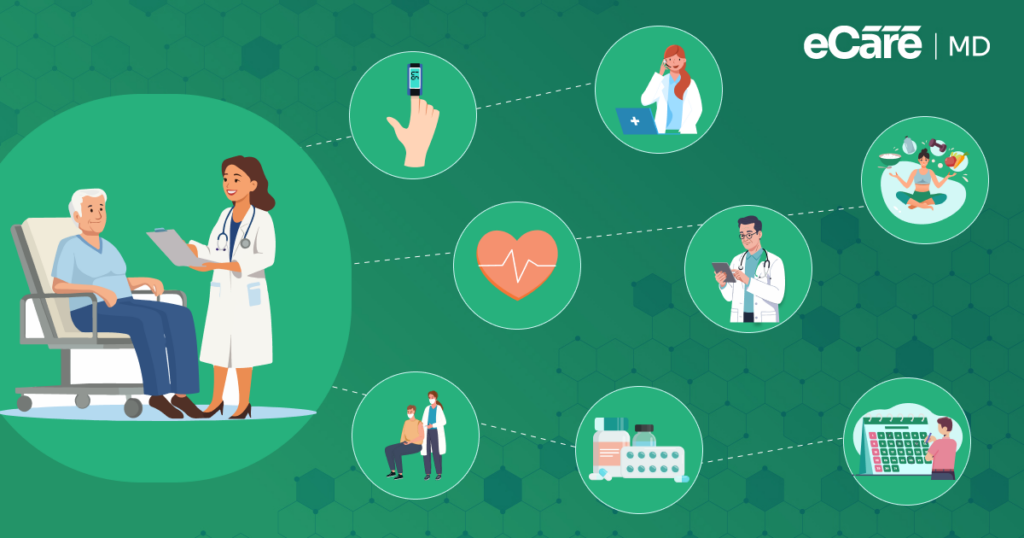
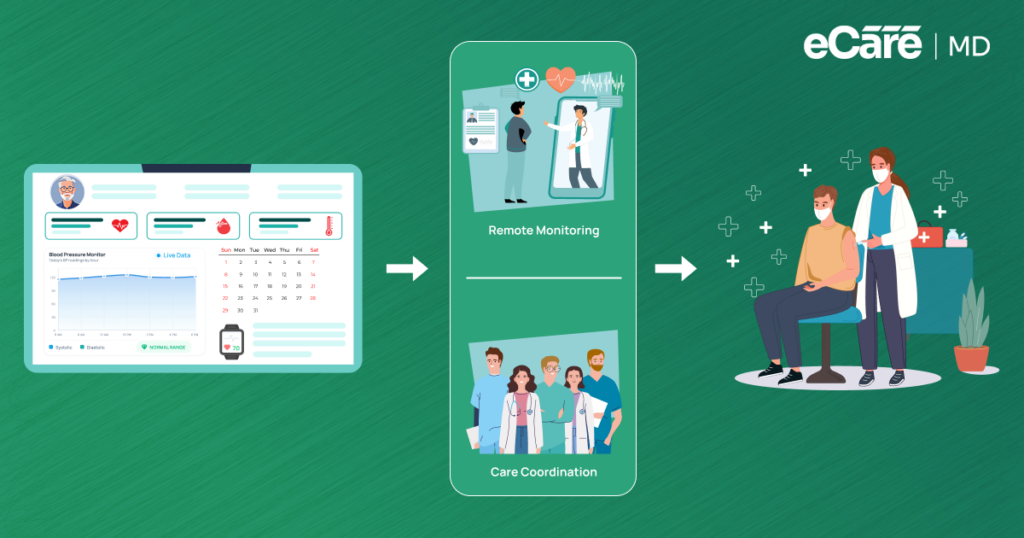
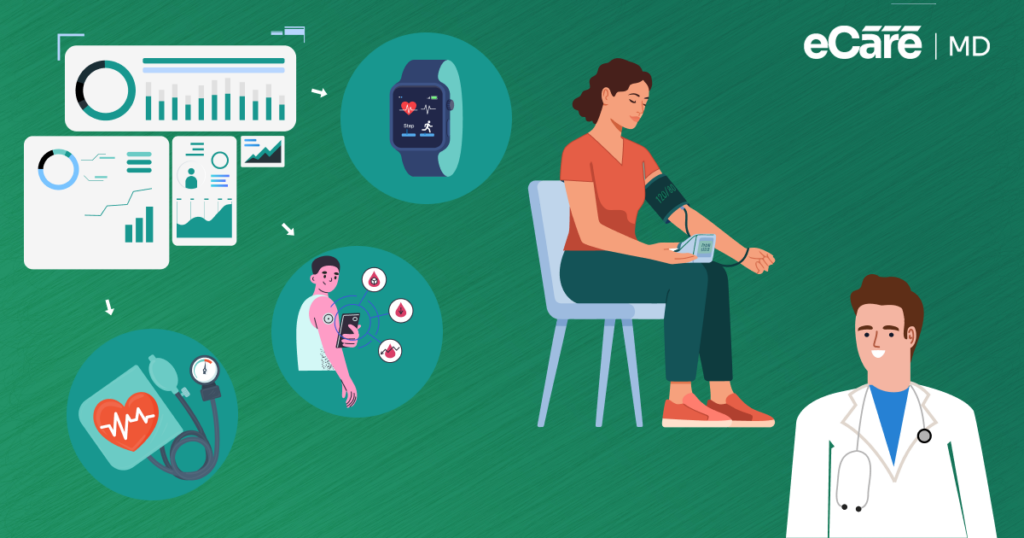
With RPM, it’s easy for you to track key health metrics right from your patient’s home, rather than waiting for symptoms to get worse. Your care team can identify subtle trends, intervene early, and adjust care plans accordingly. It’s fair enough to say here that it shifts care from reactive to proactive.
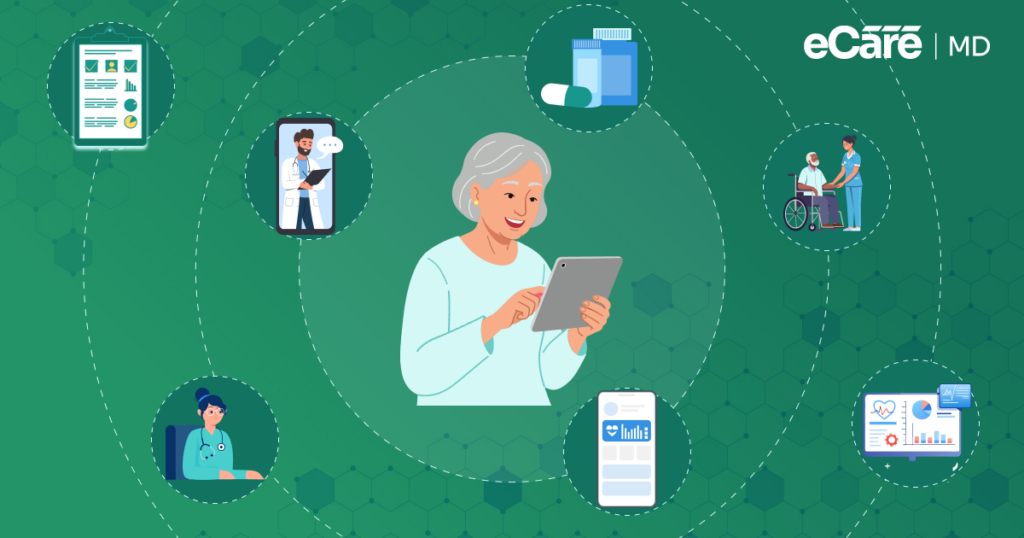
More than clinical outcomes, RPM also supports independence, which is equally important for seniors. Remote monitoring enables elderly patients to manage their health with confidence, by reducing frequent hospital visits, while keeping you closely connected with them.
When implemented effectively, remote patient monitoring for seniors enhances care delivery and creates a safety net that helps your patients to stay stable and engaged.
Common RPM Adoption Challenges in Seniors
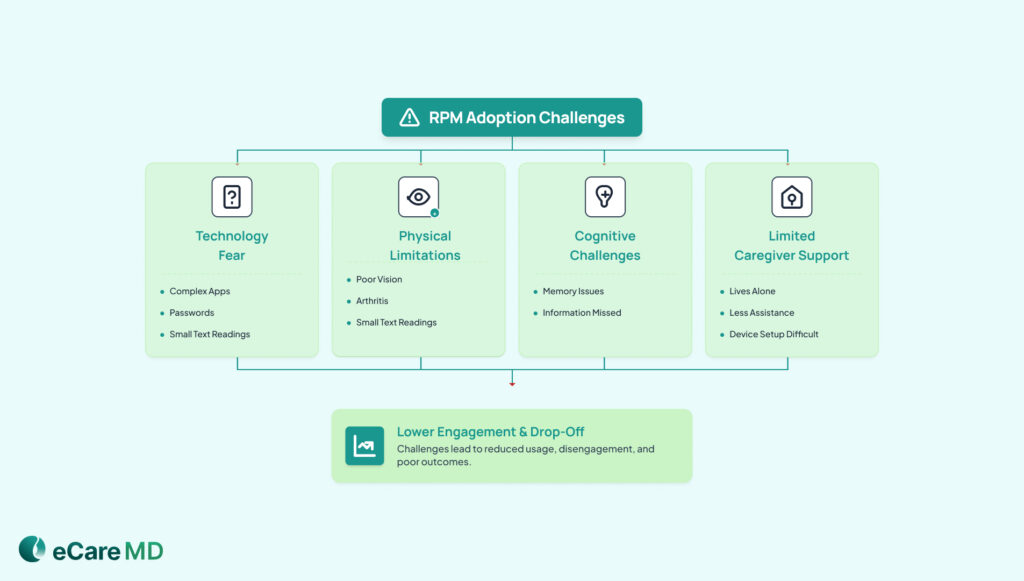
Along with clear benefits, remote patient monitoring also brings some key challenges. Adoption of remote patient monitoring among older adults is not always a walk in the park.
Let’s explore some of the key challenges that can directly affect remote monitoring of elderly patient engagement and your overall program success:
1. Limited familiarity with technology:
It is obvious that not all seniors can be comfortable with using digital tools. This can make even simple devices feel overwhelming. Factors like navigating apps, syncing devices, or troubleshooting issues can create frustration among seniors. This can further lead to disengagement.
2. Physical limitations:
If your patients are suffering from age-related conditions, including vision loss, arthritis, or hearing difficulties, it will be more difficult for them to use RPM devices. Small mistakes like small screens, complex interfaces, or hard-to-press buttons can quickly turn a helpful tool into a daily burden.
3. Cognitive challenges affecting adherence:
Memory issues or cognitive decline can affect how consistently your patients use their RPM devices. If they miss any readings, forget instructions, or misunderstand alerts, it can ultimately reduce the effectiveness of monitoring and limit the potential of collected data.
4. Dependence on caregivers:
Many elderly patients depend on their family members or caregivers to manage devices and track their health data. Even though this support is essential, it can create gaps if caregivers are unavailable or not fully trained on the technology.
All these challenges show that the success of remote patient monitoring for seniors not only depends on providing devices, but it also depends on designing the program that can fit into their daily lives without adding extra burden.
How to Improve RPM Adoption in the First 30 Days
Treat the first 30 days as a “Do or Die” situation; they can make or break your RPM program for seniors. Your patients are less likely to stay engaged if the experience feels confusing or overwhelming. This is the reason why it is necessary to reduce friction right from the start to overcome RPM adoption challenges in seniors.
Here are the key strategies for enhancing your RPM adoption:
1. Simplify device setup:
Starting should feel easy, and not frustrating. Devices that are ready to use with minimal or no setup can remove a major barrier. When your patients don’t have to worry about configuration or technical steps, they can focus more on what actually matters by using the device consistently.
2. Provide guided onboarding:
If you provide clear guidance in the beginning, it can make a huge difference. With simple instructions, especially with visuals or demonstrations, it will become easier for your patients to understand how to use devices without any confusion. Rather than leaving your patients to figure things out on their own, guided onboarding builds comfort from that one.
3. Involve caregivers early:
Caregivers are the backbone of support for elderly patients. Caregivers help patients to ensure that there is someone who can assist them with device usage, remind them to take readings, and step in when needed. Furthermore, this support system helps to reduce gaps in usage.
4. Schedule early follow-ups:
To keep your patients on track, you should schedule regular check-ins during the first few weeks. These follow-ups help you to answer your patients’ questions, fix small issues, and reassure your patients when they are using the system correctly. Moreover, it can build trust for long-term device usage.
Everything else becomes easier when you have handled the first month well. With a simple, guided, and supportive start, hesitation can turn into routine. This helps your senior patients to stay engaged without feeling overwhelmed.
Best Practices for Sustaining Elderly Engagement Long-Term
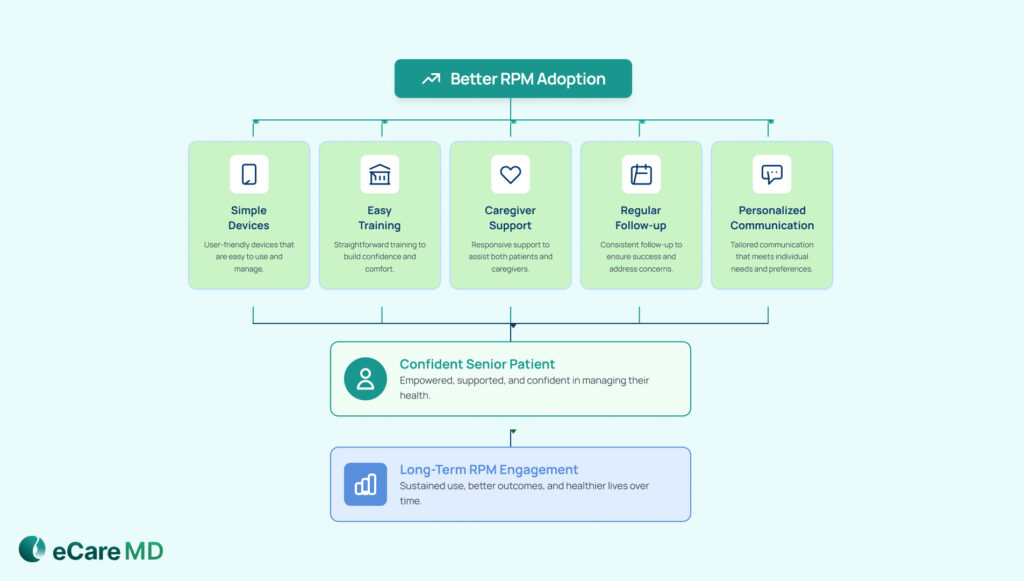
Moving forward, the real challenge behind RPM for elderly patients is keeping them engaged over time. If you don’t have the right approach, even a motivated patient can lose interest or fall out of routine. Consistency, personalization, and ongoing support are some of the factors on which long-term success depends.
1. Maintain a consistent communication cadence:
With regular communication, your patients can feel connected as well as supported. A consistent rhythm from weekly check-ins or simple reminders can build trust and help your RPM program from fading into the background.
2. Personalize engagement based on patient behavior:
It’s not necessary that every patient can interact with RPM the same way. It’s possible that some patients may be highly consistent, while others need more encouragement. Customized communication and care plans on the basis of usage patterns and health trends can make your patients feel more relevant and less generic.
3. Implement alerts or follow-ups when readings drop off:
Missed readings are the first sign of patient disengagement. However, setting up alerts for gaps in data enables your care team to intervene early, check on the patient, and bring them back on track before it becomes a habit.
4. Address engagement fatigue:
Over time, daily monitoring can become repetitive and tiring for your senior patients. By acknowledging this and making small adjustments, such as simplifying routines or offering encouragement, you can help prevent burnout, keeping your patients motivated.
Simplifying Elderly RPM Adoption with the Right Technology
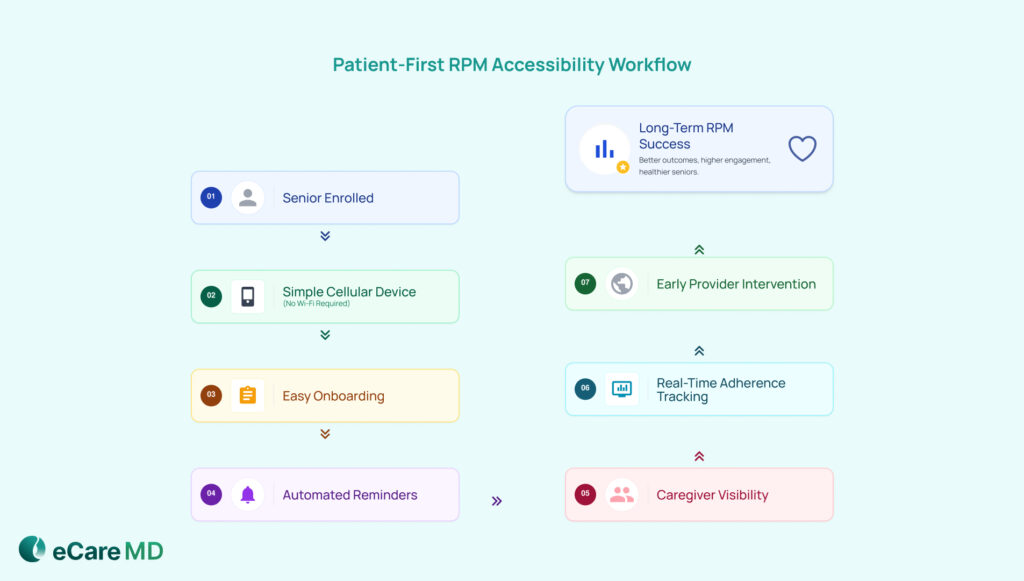
Until here, you might have understood that adoption doesn’t depend solely on availability; equally important is how easy the experience feels for your patient. For example, even small complexities can create hesitation, making it necessary to design a simple, supportive, and easy-to-follow system.
Let’s explore one by one:
1. Standardize onboarding and engagement workflows:
Here, the key is consistency. If every patient follows a clear, structured onboarding and engagement process, it can reduce confusion and set the right expectations from the start. With well-defined workflows, you can ensure that nothing falls through the cracks.
2. Reduce technical dependency for patients:
It will be better if fewer patients have to rely on technical knowledge. When your patients don’t have to troubleshoot devices or navigate complex apps, it removes the burden, while making daily monitoring feel manageable instead of overwhelming.
3. Use technology that supports, not complicates:
Platforms like eCareMD are designed with these challenges in mind, helping providers simplify adoption through features that directly address common barriers:
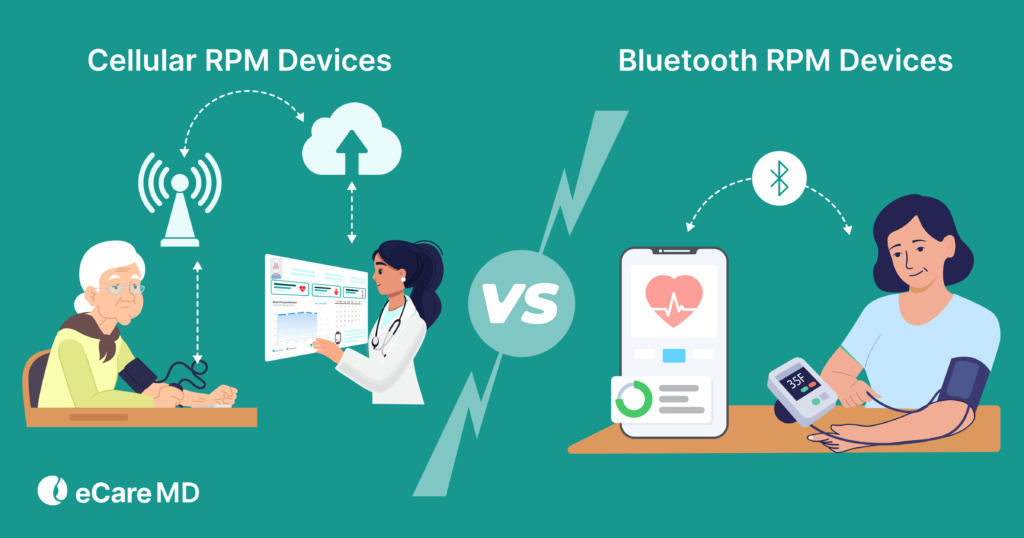
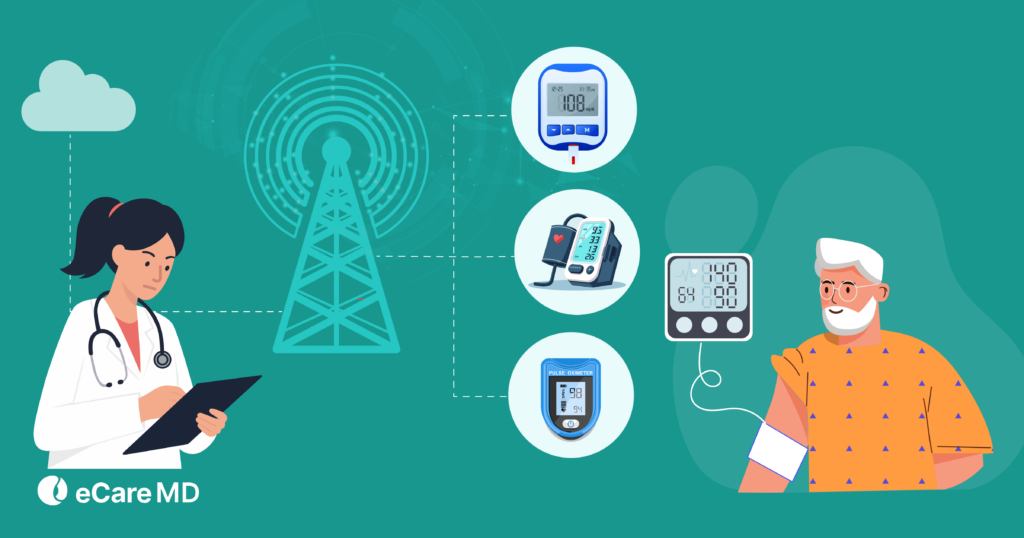
- Cellular-enabled devices that work right out of the box, with no setup required.
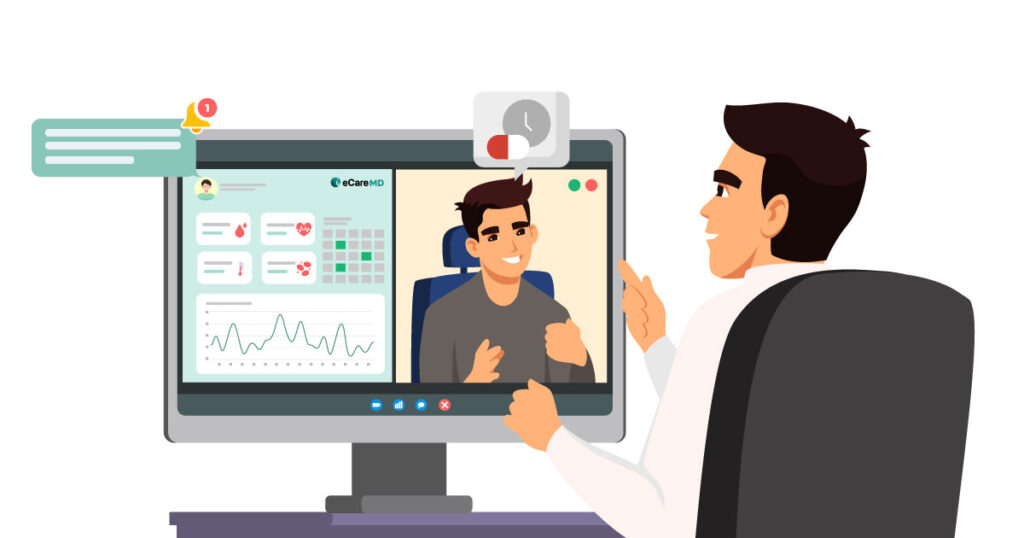
- Automated reminders and engagement tools that gently keep patients on track.
- Caregiver visibility, so family members can stay involved and provide support when needed.
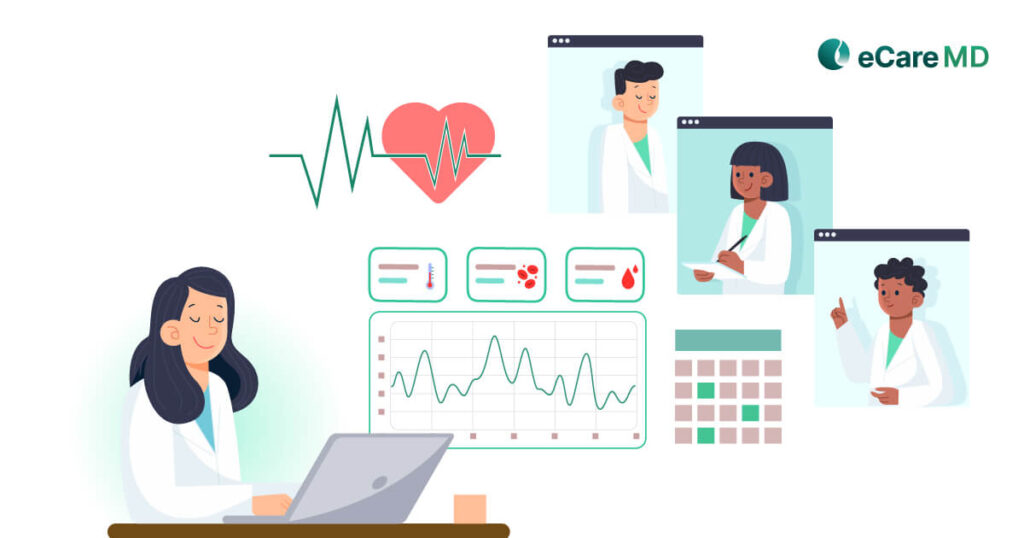
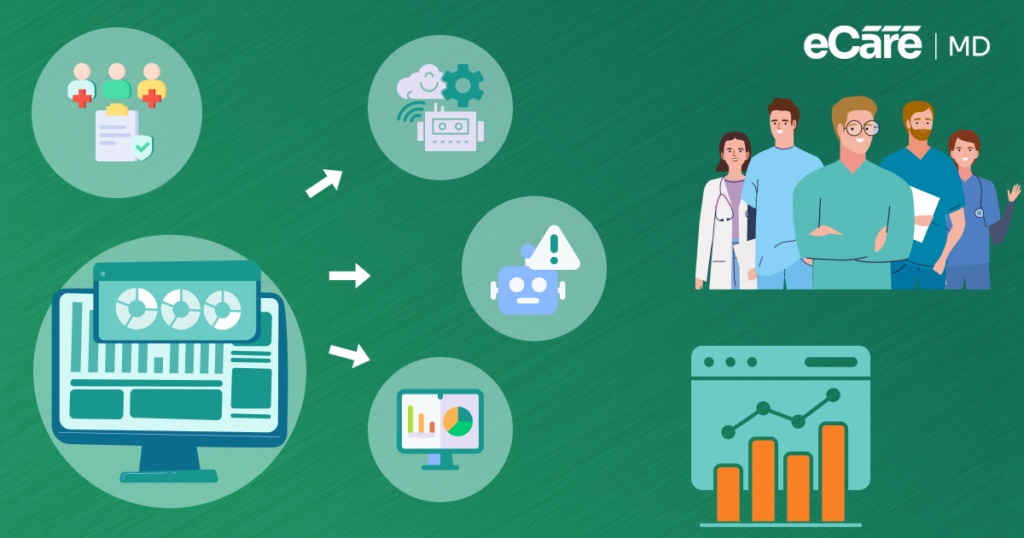
- Real-time tracking of adherence and readings, allowing care teams to step in early if something is off.
When technology is built around the patient’s comfort level, everything starts to click into place. Instead of feeling like a burden, RPM becomes a seamless part of daily life, making it easier for seniors to stay engaged and for providers to deliver consistent, proactive care.
Conclusion: Making RPM Accessible for Seniors
RPM adoption among seniors comes down to simplicity, support, and trust. When programs are easy to use, and patients feel guided, engagement naturally improves.
A structured, patient-first approach helps reduce barriers and keeps seniors consistent with monitoring, leading to better outcomes over time. Solutions like eCareMD support this by simplifying technology, reducing friction, and improving adherence without adding extra burden.
Improve RPM adoption among elderly patients with simple, scalable workflows. Click here to get started.
Frequently Asked Question’s
Seniors often manage multiple chronic conditions that require continuous tracking. Remote patient monitoring for seniors helps providers detect early warning signs, prevent complications, and reduce hospital visits. It shifts care from reactive to proactive, helping patients stay stable and independent at home.
Best practices include keeping technology simple, maintaining regular communication, and personalizing care based on patient behavior. Monitoring engagement levels and addressing drop-offs early also helps. A patient-first approach ensures RPM fits into daily life rather than disrupting it.
Devices that are simple, pre-configured, and require minimal interaction are the easiest to use. Features like large displays, one-touch operation, and automatic data transmission make a big difference. The goal is to reduce effort so patients can focus on their health, not the technology.
Not always. Many modern RPM devices are cellular-enabled, meaning they can transmit data without Wi-Fi. This removes a major barrier for seniors who may not have internet access or are not comfortable setting it up.

![The Future of Remote Patient Monitoring: CMS Innovations & Emerging Trends [2026]](/wp-content/uploads/2024/07/Blog-36-The-Future-of-Remote-Patient-Monitoring_-Trends-AI-Innovation-CMS-Updates-for-2026-1024x538.png)