Last Updated: August 5, 2026
Have you ever wondered what actually happens to chronic disease patients in between their doctor visits?
Patients with diabetes, chronic obstructive pulmonary disease (COPD), or heart failure rely heavily on scheduled appointments. But the reality is that their health doesn’t follow any schedule; it changes every day.
Traditional care often falls short in managing this, as it only captures what’s happening at a single point in time. For example, you can miss important changes until the next visit, by then the condition may have already worsened.
This challenge becomes even more critical with the growing burden of chronic diseases like diabetes, COPD, and heart failure.
In fact, 129 million people live with at least one chronic disease, 42% have two or more, and 12% have five or more conditions. Of 40.1 million diabetes patients, ~2.1 million have Type 1 and 90%–95% have Type 2. COPD affects 11.7 million adults, while heart failure impacts about 6.7 million adults aged 20+.
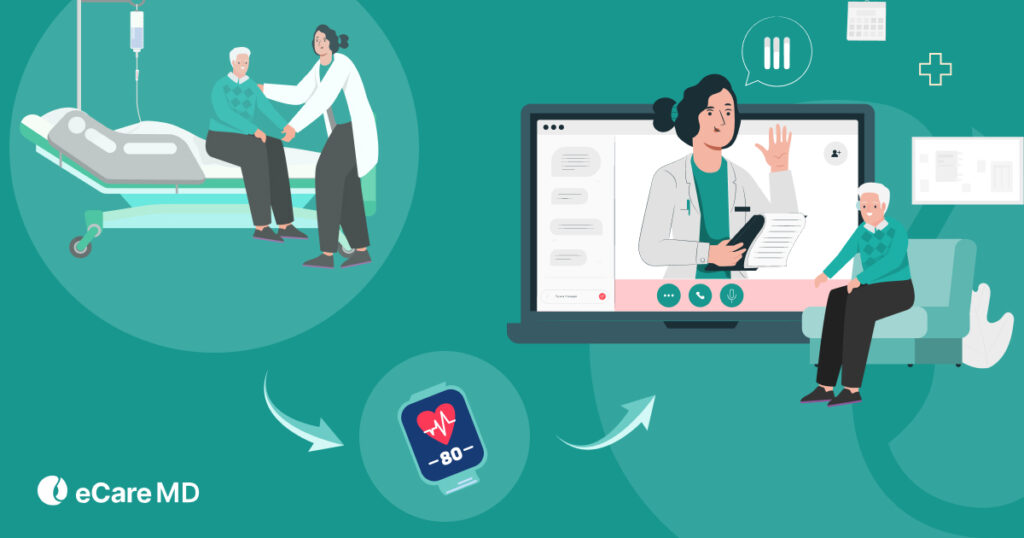
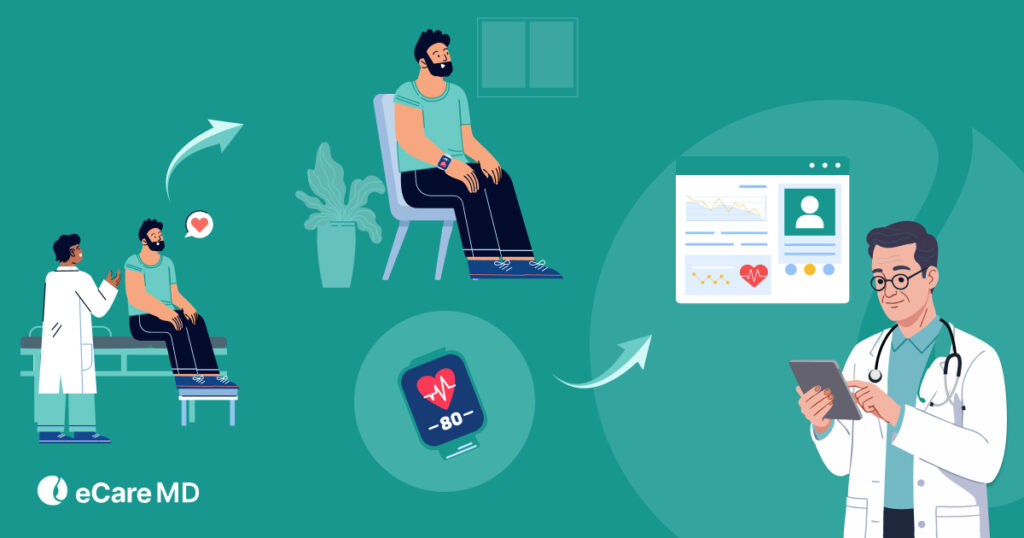
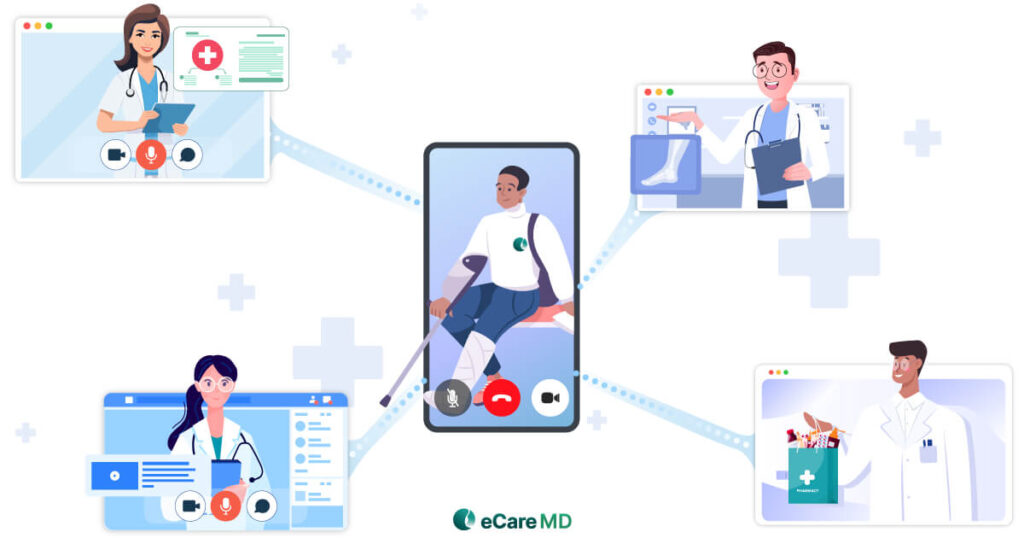
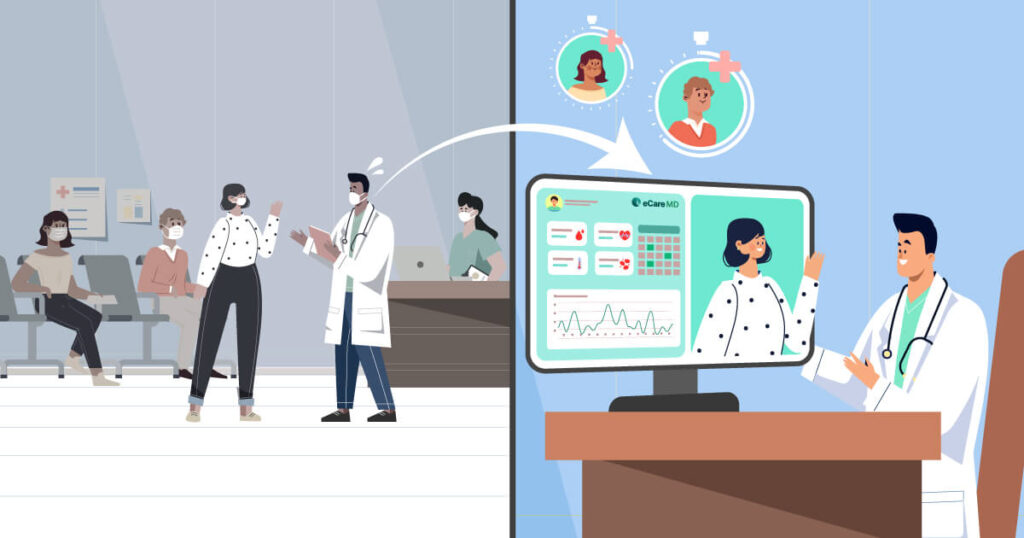
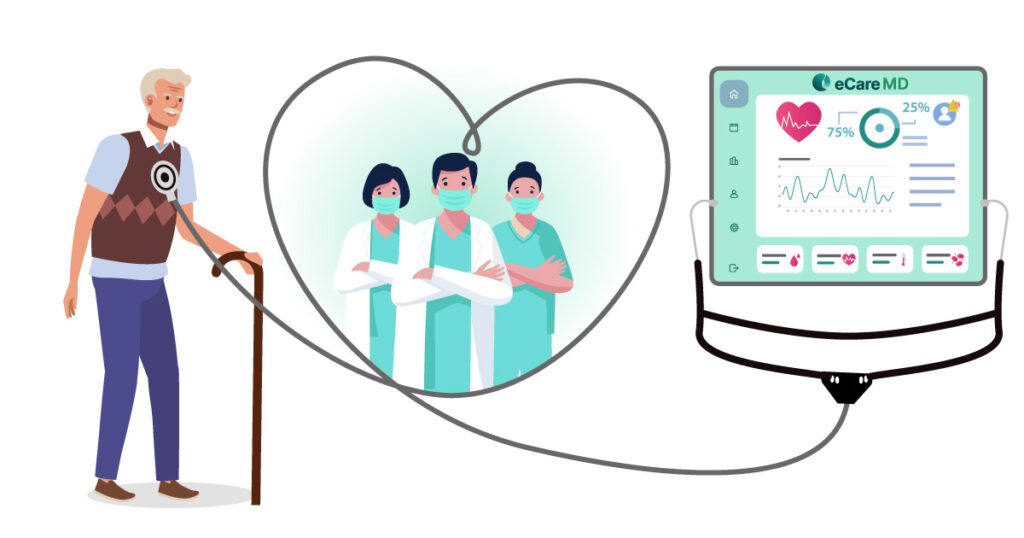
To overcome this, healthcare is transforming from a reactive to a proactive care approach. Rather than checking once in a while, you can now stay regularly connected with your patients, responding quickly when something changes.
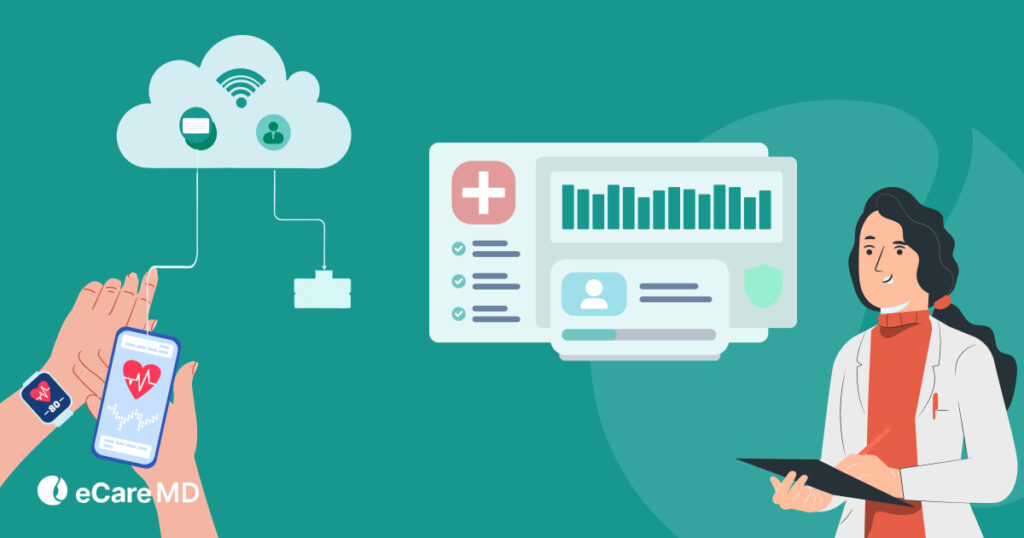
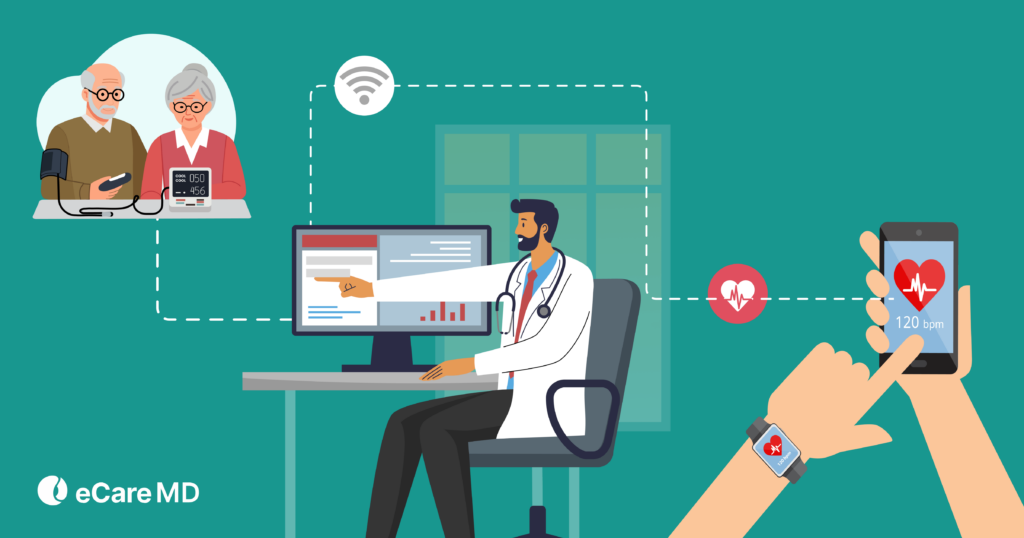
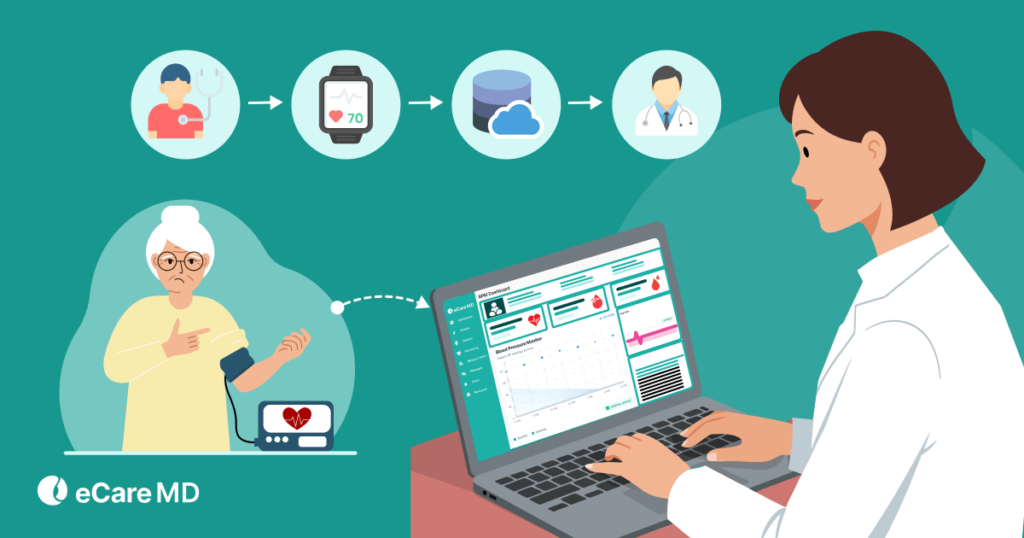
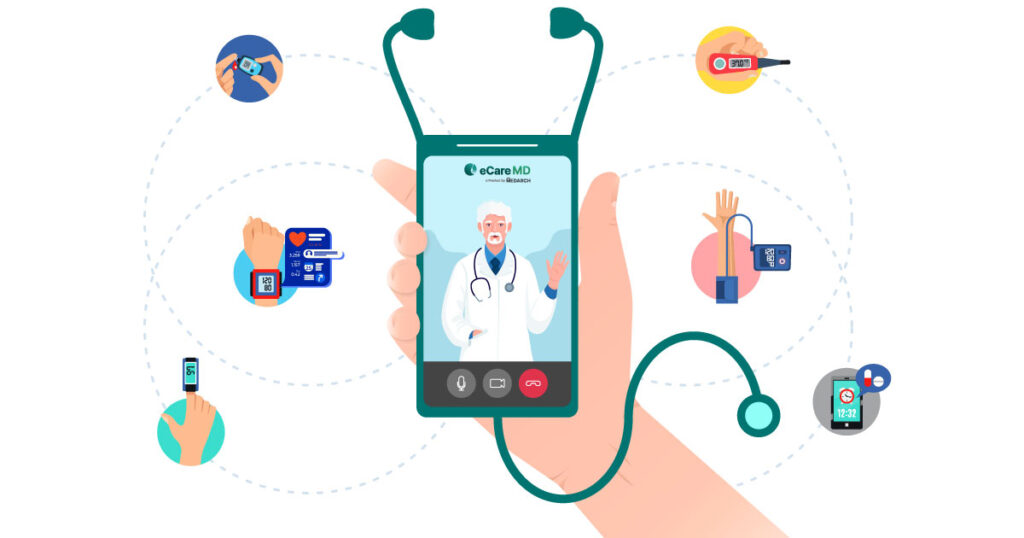
This is exactly where Remote Patient Monitoring (RPM) for chronic disease management becomes important. RPM for chronic disease management enables continuous monitoring of patients outside the clinic, providing real-time insights into their health.
In short, it shifts care from ‘waiting and reacting’ to ‘monitoring and prevention’.
Let’s explore how this shift is transforming care for conditions like diabetes, COPD, and heart failure, and how RPM for chronic disease management will help you to enhance outcomes, reduce hospitalizations, and support patients more effectively.
For diabetes, COPD and heart failure, RPM flags dangerous readings early so teams act before an ER visit.
Quick Comparison of How RPM Changes Care Delivery
| Condition | What Usually Goes Wrong | How RPM Helps | Result |
|---|---|---|---|
| Diabetes | Fluctuations go unnoticed | Continuous glucose tracking | Better HbA1c control |
| Heart Failure | Fluid retention missed | Daily weight + vitals tracking | Fewer readmissions |
| COPD | Late detection of flare-ups | SpO₂ + symptom monitoring | Reduced exacerbations |
How Does RPM Help Manage Chronic Disease
To fully understand RPM’s role in chronic disease management, it helps to first look at what it brings to the table.
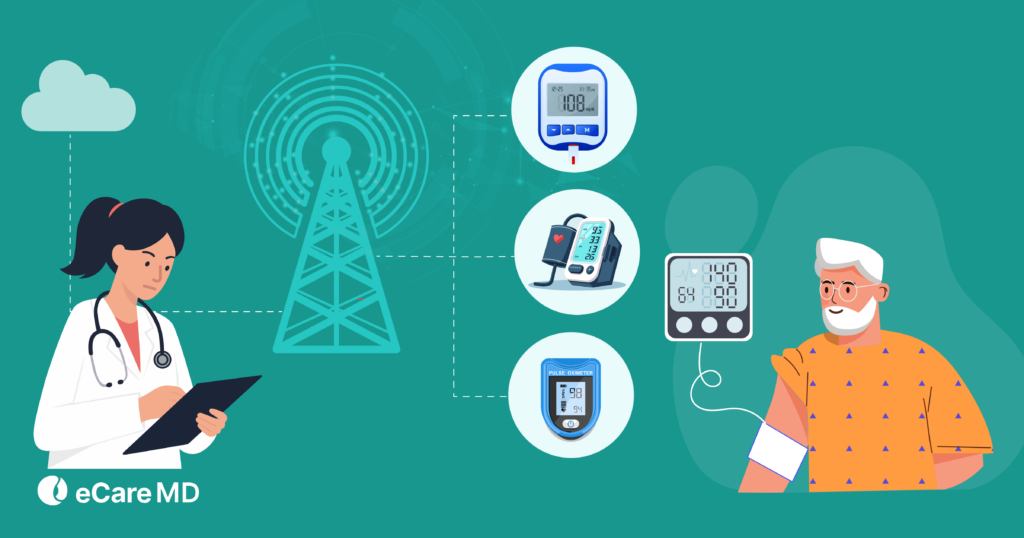
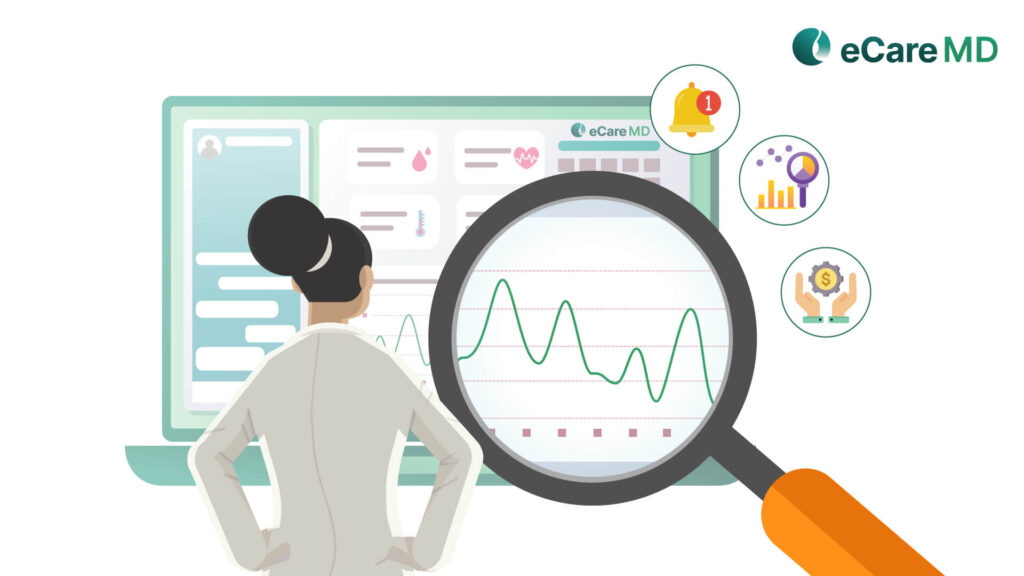
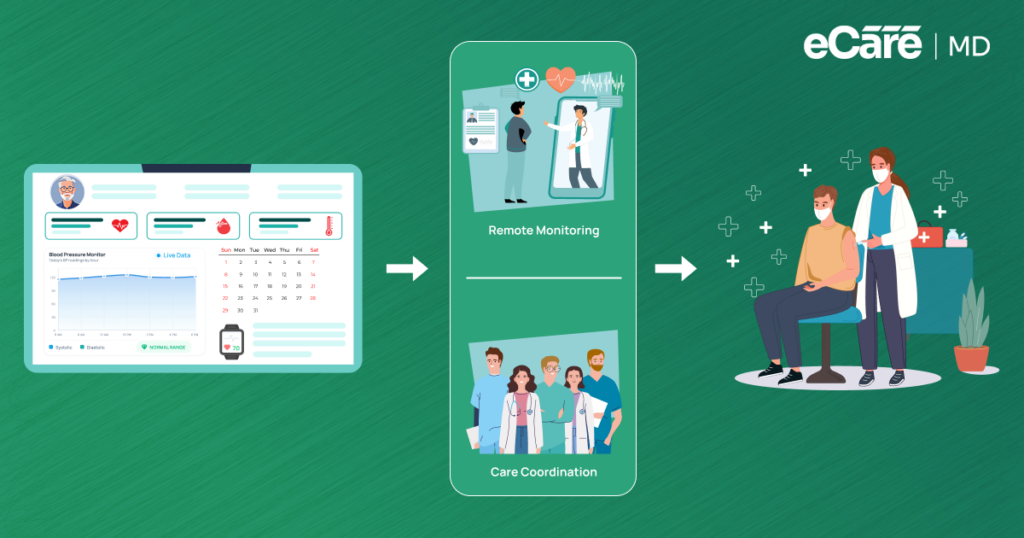
The biggest difference RPM brings to chronic care is how patient information is collected and used. Unlike traditional care, which depends on occasional snapshots taken during clinic visits, remote patient monitoring for chronic conditions provides a continuous stream of real-world health data.
This shift gives you a clearer picture of patient health, enabling more accurate and timely decisions. With this continuous visibility, you can detect warning signs early and avoid the risk of complications.
For example, early signs like rising glucose levels, sudden weight gain, or changes in heart rate can be detected, helping prevent major complications.
Furthermore, RPM also helps you to avoid the most common care gaps. For example, being a healthcare professional, you might have an idea of many chronic diseases that come from missed follow-ups, poor medication adherence, or lifestyle differences.
However, RPM enhances routine monitoring and keeps patients connected between visits, ensuring continuous visibility into their health. With this, you can make timely and data-driven decisions, instead of reacting to outdated information.
Want to understand the basics? Explore our guide on What is Remote Patient Monitoring (RPM)?.
RPM in Practice: Managing High-Impact Chronic Conditions
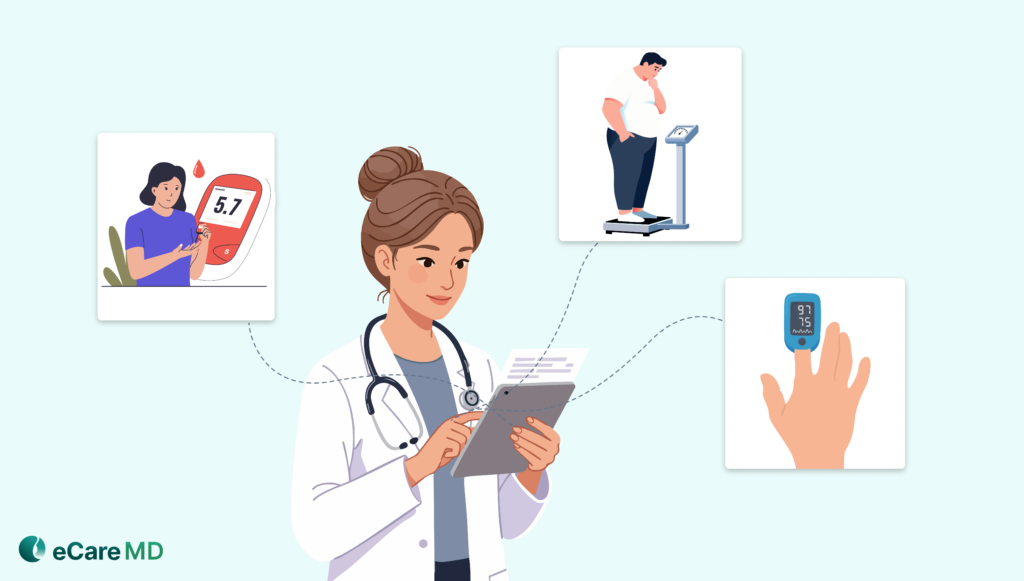
To understand the real value of RPM, it is essential to look at how it supports some of the highest-risk chronic conditions. Chronic disease management remote monitoring enables care to adapt based on condition-specific needs and real-time data patterns, rather than treating all patients the same way.
Let’s explore some of these conditions one by one:
1. Diabetes: From Reactive Control to Continuous Optimization
Patients with diabetes regularly track glucose through occasional readings or logs. But these are just snapshots; they don’t tell the full story of a patient’s health. This can lead you to miss important fluctuations throughout the day.
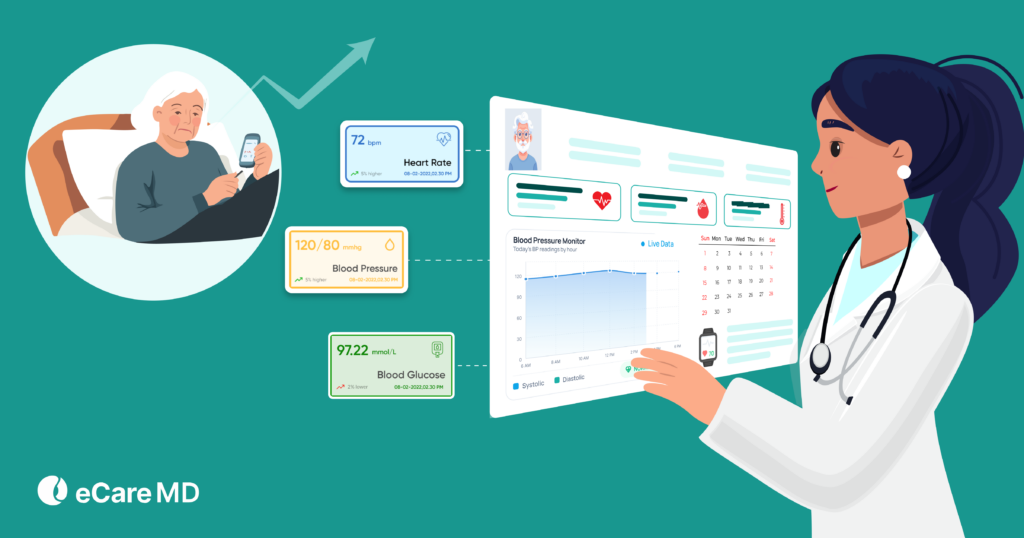
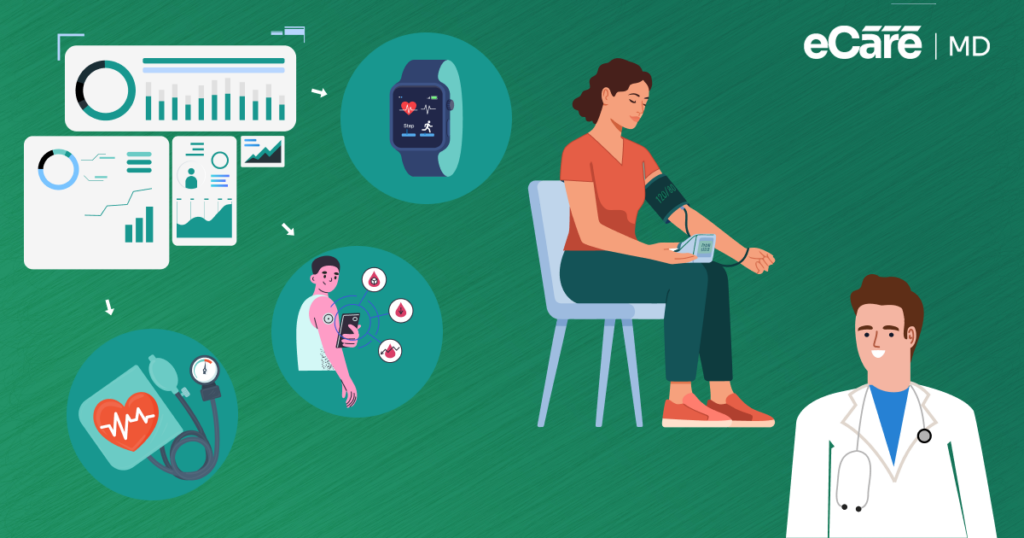
With RPM for diabetes management, glucose data becomes more continuous, allowing you to move beyond single readings and look at trends over time. These trends include how glucose levels change after meals, during sleep, or across different days.
This clearer view helps you identify issues earlier, such as rising glucose levels or unstable fluctuations. Additionally, it highlights patterns linked to lifestyle habits, medication timing, or missed doses.
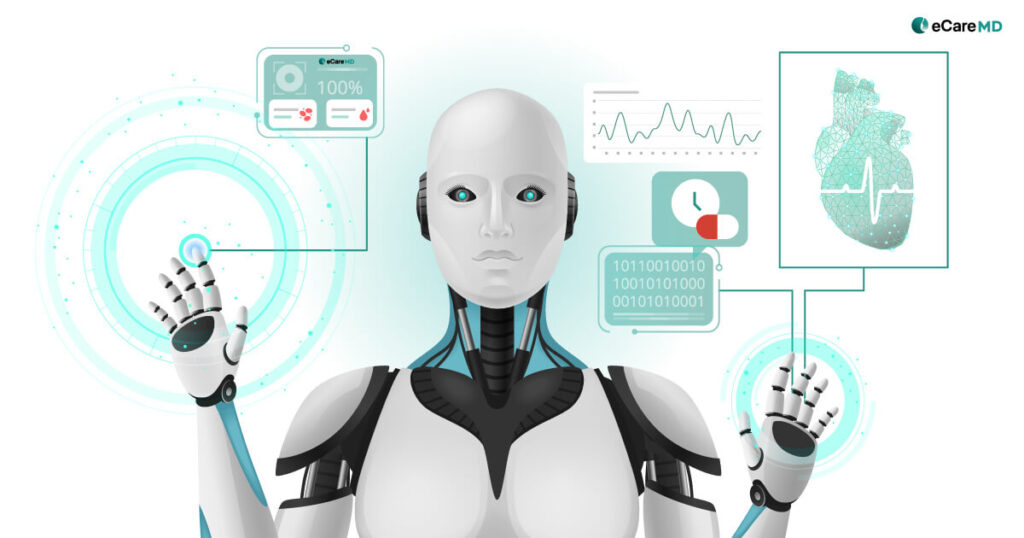
Furthermore, to flag recurring patterns such as early morning glucose spikes or high variability, some advanced systems also use AI-based analysis. This helps you fine-tune treatment plans more effectively.
Overall, all these factors together lead to better long-term control, improved HbA1c levels, and fewer unexpected hypoglycemic or hyperglycemic events.
2. Heart Failure: Catching Problems Before They Escalate
Heart failure patients need very close monitoring, as even one small change can signal a worsening condition. RPM for heart failure monitoring supports this by tracking key indicators such as daily weight, blood pressure, and, sometimes, heart rate or symptom updates.
Fluid retention is one of the earliest warning signs of heart failure, which usually shows up as gradual weight gain over a few days. Due to continuous monitoring, you can detect these small changes early, before the patient feels serious symptoms like breathlessness or fatigue.
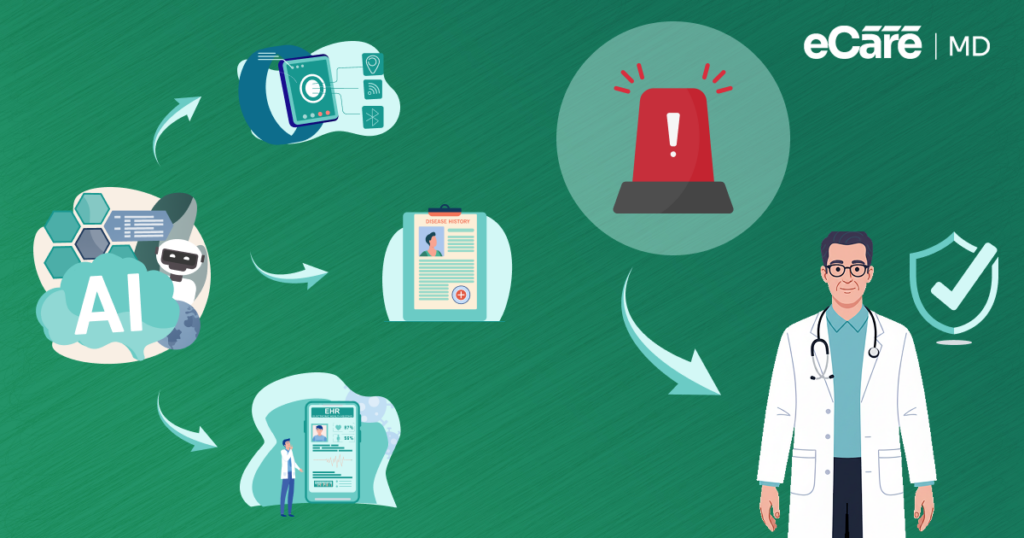
Rather than waiting for a crisis, you can step in early, adjusting medications or recommending care changes before the condition escalates. Furthermore, AI-based tools can strengthen this process by connecting multiple data points together and identifying risk patterns.
All these together can result in better stability, fewer sudden decompensation events, and a clear reduction in hospital readmissions.
3. COPD: Identifying Exacerbations Early
COPD patients often experience sudden breathing episodes, although early warning signs appear much sooner. In traditional care, you can miss these signs, and ultimately, the condition becomes serious.
On the other hand, with RPM, you can continuously monitor oxygen saturation (SpO2), respiratory symptoms, and sometimes activity levels. This provides a clearer view of lung function over time.
For example, even small changes like a drop in oxygen levels, a rise in shortness of breath, or changes in symptom patterns can indicate to you the sign of flare-up development. By identifying these trends early, you can take quick steps before the condition worsens, helping your patients to avoid emergency visits or hospital admissions.
This proactive approach helps you to improve respiratory stability and supports better long-term quality of life.
Here’s a quick comparison of how RPM changes care delivery:
| Condition | What Usually Goes Wrong | How RPM Helps | Result |
|---|---|---|---|
| Diabetes | Fluctuations go unnoticed | Continuous glucose tracking | Better HbA1c control |
| Heart Failure | Fluid retention missed | Daily weight + vitals tracking | Fewer readmissions |
| COPD | Late detection of flare-ups | SpO₂ + symptom monitoring | Reduced exacerbations |
Scaling Chronic Care Without Increasing Clinical Burden
Chronic disease management is not just a clinical challenge; it is also an operational one. As the number of patients with long-term conditions continues to rise, care teams face increasing pressure to deliver continuous care.
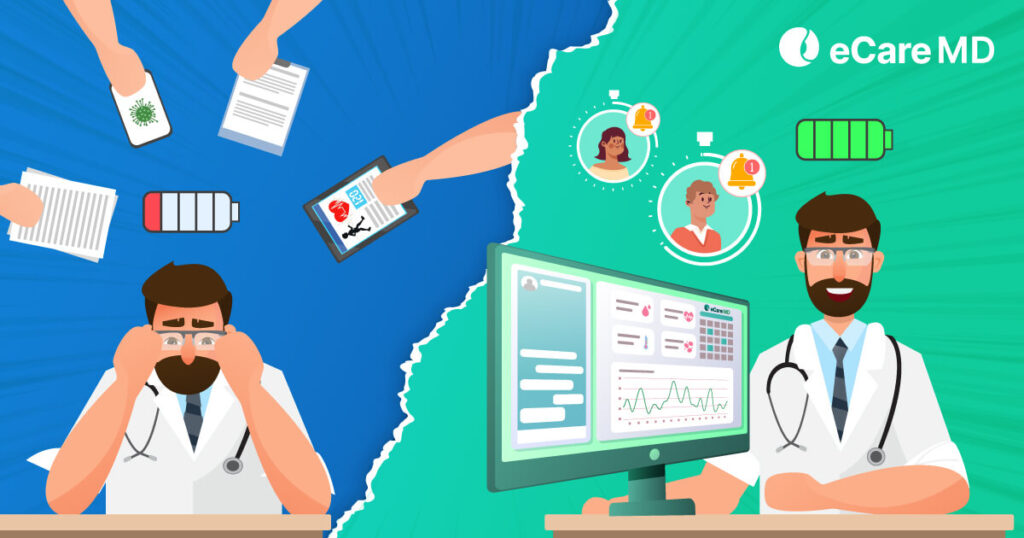
In traditional models, more patients mean more follow-ups, more coordination, and more time spent on routine tasks. This can make it harder for your care teams to stay on top of every patient’s needs.
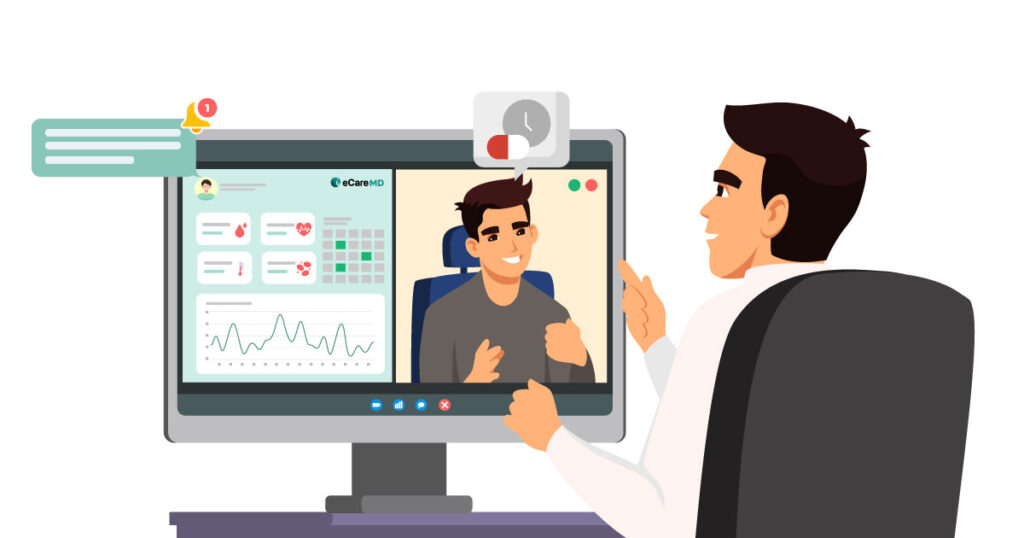
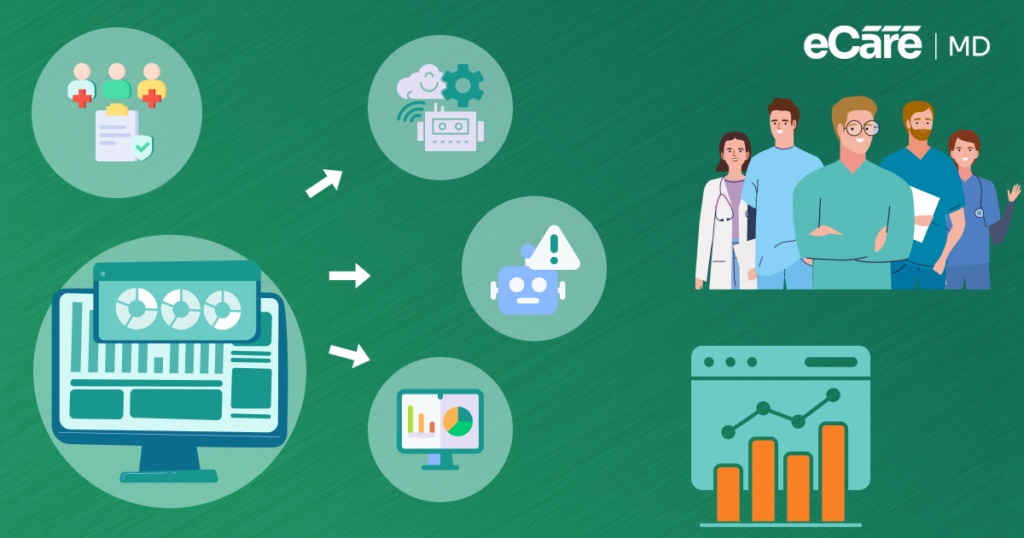
However, this dynamic starts to change with RPM for chronic disease management. As modern RPM platforms are specifically designed to filter and organize information in a meaningful way, they highlight only high-risk patients, keeping stable patients in the background.
Instead of reviewing everything for everyone, care teams can focus on what truly matters. This highlights the benefits of RPM for high-risk patients, where early intervention can significantly improve outcomes.
Patient-Centric Benefits of RPM in Chronic Care
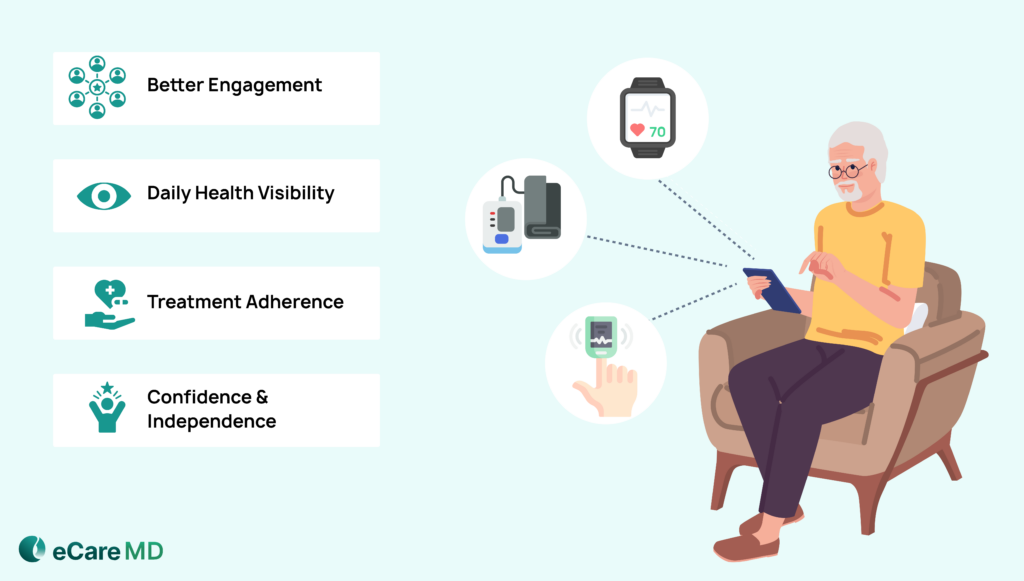
Beyond clinical and operational gains, RPM also delivers meaningful benefits directly to patients. It helps them to stay connected to their health and more confident in managing their condition.
Let’s explore these benefits one by one:
1. Better patient engagement:
Instead of depending on occasional doctor visits, regular health data tracking encourages your patients to stay connected with their care. This turns patients from passive recipients of care into active participants in it. Over time, this shift helps your patients to build healthier habits and stay more consistent with their overall care routines.
2. Clear visibility into daily health trends:
With clear visibility, it is easier for your patients to see how their condition changes over time, and understand what’s actually working and what needs their more attention. For example, if your patient notices how diet, activity, or medications affect their readings, they can make more informed decisions in their daily lives.
3. Improved adherence to treatment plans:
Patients are more likely to stick to their medications, routines, and care instructions when they know their health data is being tracked. The sense of accountability that comes with monitoring reduces missed doses and inconsistent follow-through.
4. Greater confidence & independence:
Patients can feel more in control of their condition with better awareness and support, leading to enhanced quality of life. Rather than worrying about their health, your patients can gain confidence in managing it, allowing them to live more independently and with less stress.
Impact on Hospitalizations & Care Utilization (System/Clinical Outcomes)
Moving forward, one of the key benefits of RPM for chronic disease management lies in reducing hospitalizations with RPM for chronic diseases and improving how care is delivered overall. With this ability, you can step in earlier and manage issues before they become serious, instead of just reacting to them.
Along with its ability, another key reason behind it is early warning visibility. As mentioned earlier, with continuous monitoring, you can detect small changes in your patient’s condition. This allows you to timely intervene before any complications develop.
Moreover, RPM supports patients during their care transitions, especially after hospital discharge. As this is a critical period where many patients are at risk of readmission, continuous monitoring can help you ensure recovery stays on track.
Let’s have a look at the following table to understand how RPM changes care utilization:
| Traditional Care | With RPM |
|---|---|
| Issues are detected late, often during emergencies | Issues identified early through continuous monitoring |
| High reliance on ER visits | Reduced need for emergency care |
| Frequent hospital readmissions | Lower readmission rates due to early intervention |
| Limited follow-up after discharge | Continuous monitoring during recovery |
| Reactive care approach | Proactive and preventive care approach |
Conclusion
Chronic disease care is clearly moving beyond the traditional, visit-based approach. What once relied on occasional check-ups is now evolving into a continuous, connected model of care.
With RPM for chronic disease management, providers are no longer limited to reacting after problems occur. Instead, they can anticipate risks, monitor trends, and intervene at the right time. This shift from reactive to predictive care is gradually redefining how chronic conditions are managed.
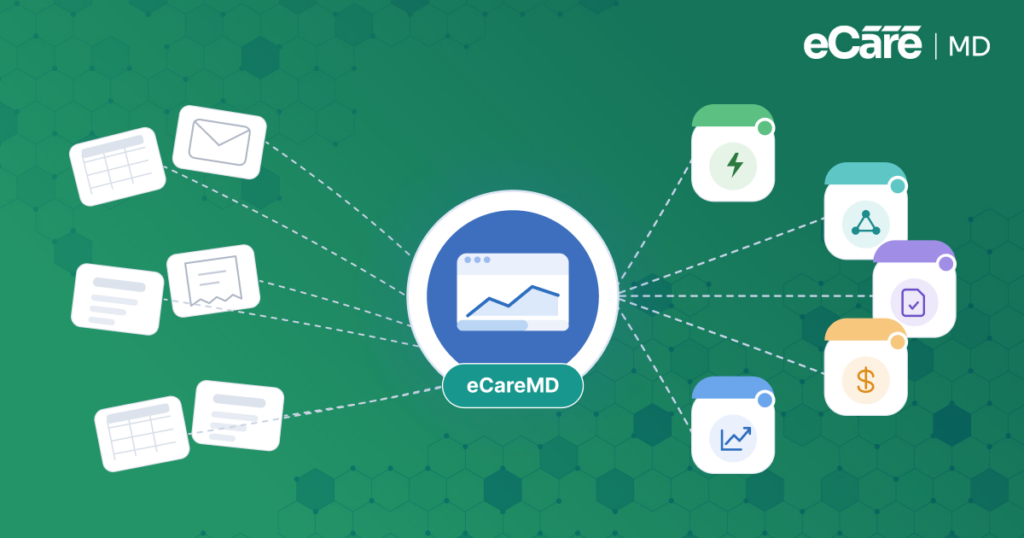
At the same time, RPM is evolving into more than just a monitoring tool. It is becoming an intelligent layer within care delivery, one that connects patient data, clinical decisions, and timely interventions into a single, streamlined process.
Ready to implement a scalable, clinically effective RPM program? Click here to start your Remote Patient Monitoring Program today with eCareMD.



![The Future of Remote Patient Monitoring: CMS Innovations & Emerging Trends [2026]](/wp-content/uploads/2024/07/Blog-36-The-Future-of-Remote-Patient-Monitoring_-Trends-AI-Innovation-CMS-Updates-for-2026-1024x538.png)