Last Updated: August 26, 2026
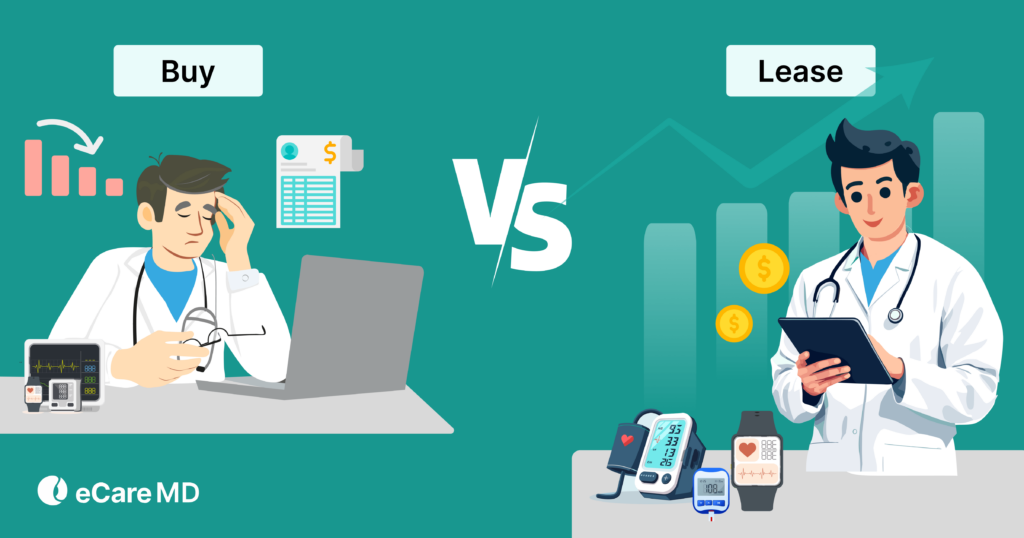
In most RPM programs, one decision can shape everything: whether to buy or lease RPM devices?
The answer is: lease RPM devices to start quickly with lower upfront costs and buy when patient volume and long-term utilization make ownership a more cost-efficient option.
If you think it’s a simple purchasing decision, you might run into challenges. As your program scales, this decision begins to impact cash flow, flexibility, and long-term sustainability.
Buying RPM devices requires a higher upfront investment (CapEx), locking up capital needed for expansion. On the other hand, leasing shifts costs into predictable monthly spending (OpEx), which can make it easier for you to scale gradually without financial strain.
Another factor to consider is that RPM devices evolve quickly, and when you own them, upgrades and replacements can come up sooner than you expected. This can lead to unexpected and unplanned costs.
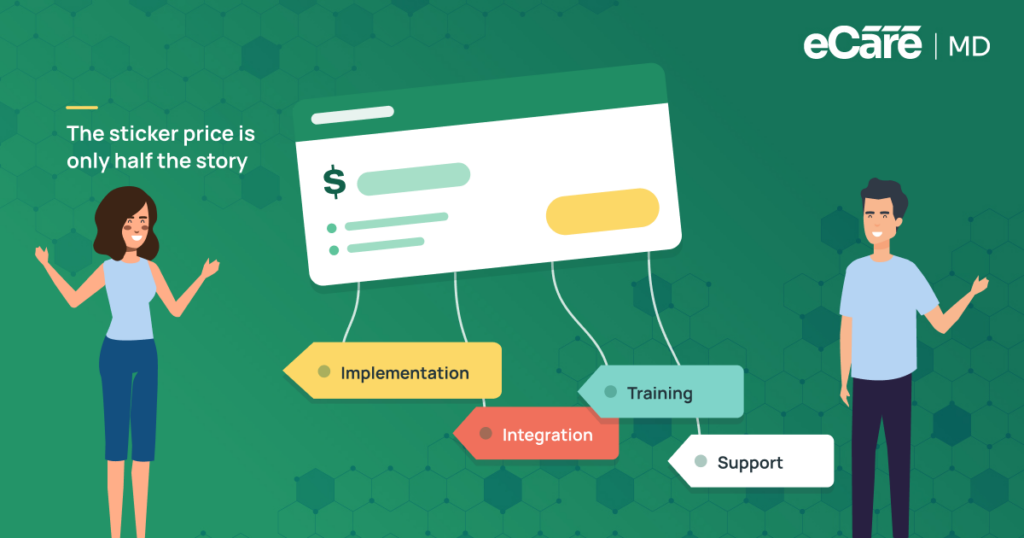
That’s why it is critical to look beyond just upfront pricing, while considering the full picture, including RPM equipment financing, remote patient monitoring device costs, and total cost of ownership.
In this blog, we’ll break down the cost-benefit analysis of RPM hardware leasing vs buying, so you can decide what truly fits your practice’s long-term needs.
When Should You Buy RPM Devices?
In simple terms, buying devices means taking full ownership of the infrastructure from day one. You invest upfront in bulk device purchases rather than paying over time, which becomes a significant capital commitment. This approach provides greater control and independence.
This ownership often provides some valuable advantages like complete control over your RPM assets, how they’re deployed, and how they support your clinical workflows. Since the devices are fully yours and not tied to ongoing leasing agreements, you can feel more stable over time.
However, along with these advantages, ownership also brings major responsibilities that are often underestimated. These responsibilities include devices that need maintenance, occasional repairs, and eventual replacements as technology continues to evolve.
Additionally, you also need to manage inventory carefully, like keeping track of device usage or making sure that devices are properly assigned. Even owned devices can become inefficient and harder to manage without proper tracking.
When Should You Lease RPM Devices?
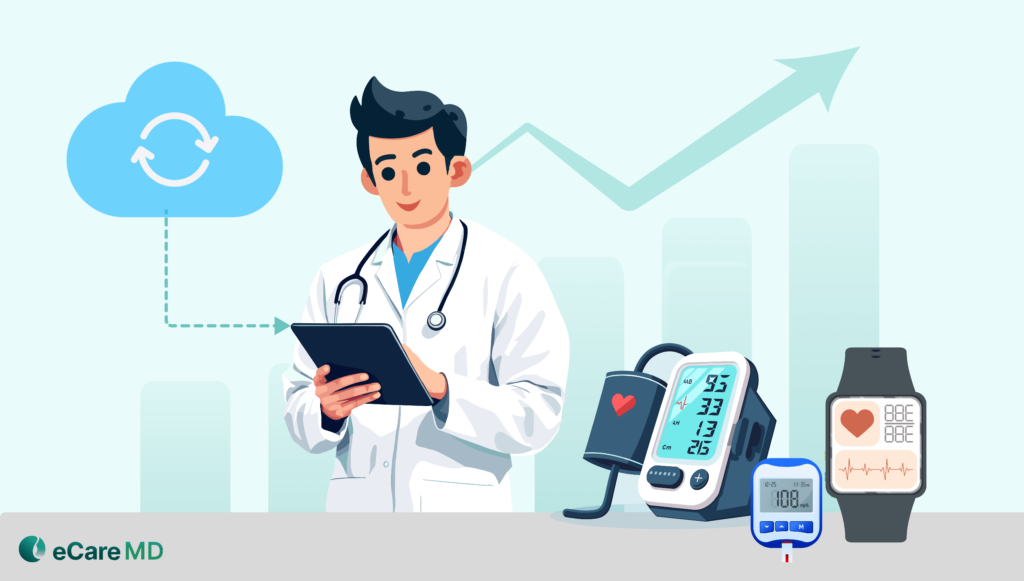
Instead of a larger upfront investment, for leasing RPM devices, you pay a lower recurring cost, as it works on a subscription-style approach. With this OpEx model, you can protect your cash flow and start or scale your practice without financial strain.
A major advantage of these devices is that you can access up-to-date, CMS-compliant RPM devices. As upgrade responsibilities often lie with vendors, you can stay aligned with the current requirements without continuously reinvesting in new hardware.
Along with this, leasing also comes with predictability. As monthly expenses are fixed, it is easier for you to make plans around them, especially when aligned with reimbursement cycles. This helps you maintain more stable financial planning and reduces surprises in budgeting.
Lease vs. Buy Comparison: At-a-Glance Decision Matrix
Let’s have a look at a comparison table, which can help you to look at both models side by side for easy understanding:
| Feature | Buying (Purchase) | Leasing |
|---|---|---|
| Upfront Cost | High capital investment | Low initial cost |
| Monthly Cost | Minimal ongoing expense | Fixed recurring payments |
| Maintenance | Managed by the practice | Handled by the vendor |
| Technology Refresh | Limited, requires reinvestment | Regular upgrades included |
| Scalability | Slower due to capital constraints | Faster and more flexible growth |
Total Cost of Ownership and RPM Equipment Financing
While evaluating RPM devices, looking beyond the upfront price and focusing on the total cost of ownership (TCO) over a long period, like a 3-year horizon, is essential. This provides a clearer picture of the true investment.
For your better understanding, you need to compare some cost layers, such as upfront vs long-term expenses, and how each impacts your overall budgeting strategy.
Additionally, there are ongoing factors like maintenance, device replacements, and logistics management that can get overlooked. But these factors play a major role in total cost, as they can quietly increase expenses over time if you do not plan properly.
This is exactly where RPM equipment financing options, such as leasing and hybrid models, come into play, as they help you to balance initial investment with steady cash flow. Aligning these costs with your reimbursement cycles can further ensure that your financial planning stays predictable and sustainable.
Lastly, using data-driven insights helps to measure ROI more precisely. These insights include utilization of the device and patient adherence, which help you to evaluate whether your RPM hardware investment is continuously delivering value over time.
Operational and Compliance Considerations
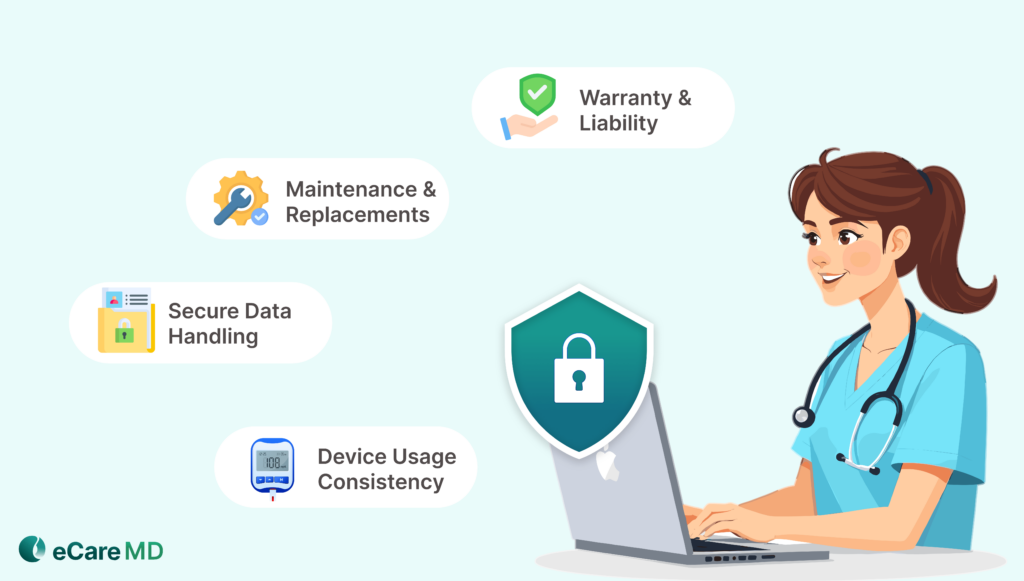
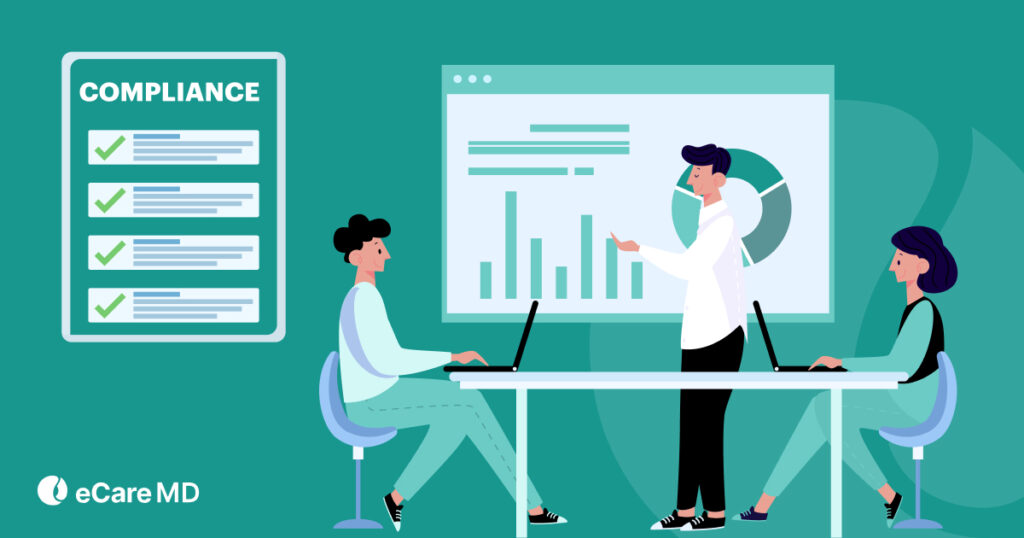
The next key factor is operational and compliance considerations, which play a key role in deciding between leasing and buying RPM devices. These considerations determine how smoothly your programs can run on a day-to-day basis and how well they can stay aligned with reimbursement requirements.
Here are a few key areas that you need to evaluate:
- Warranty and liability differences between leasing and buying define who is responsible when devices fail or malfunction.
- Responsibility for maintenance and replacements, which can either sit with the practice (in buying) or the vendor (in leasing).
- Proper data handling throughout the device lifecycle, ensuring patient data is collected, stored, and transferred properly throughout usage.
- Device usage consistency for reimbursement eligibility, making sure devices are actively used in a way that supports billing requirements and compliance standards.
Together, all these factors directly impact operational efficiency and compliance stability, which makes them just as important as financial considerations when choosing your RPM device strategy.
Decision Framework: Which Model Fits Your Practice?
Selecting between leasing and buying relies on the stage and scale of your practice. Different setups have different priorities, like some that focus on reducing risks, while others focus on long-term cost control or large-scale ownership efficiency.
The table below helps you to simplify this decision:
| Practice Type | Recommended Model | Why It Works |
|---|---|---|
| Start-up Practices | Leasing | Enables faster entry into RPM with lower upfront risk and minimal capital investment |
| Growing Practices | Balanced (Lease + Selective Buy) | Offers flexibility while maintaining better control over costs during expansion |
| Enterprise Systems | Buying | Supports bulk purchasing, long-term asset control, and cost efficiency at scale |
| Hybrid Approach | Mixed Model | Leasing for high-turnover devices while buying long-term, stable assets for better optimization |
Remote Patient Monitoring: Lease Vs. Buy - Decision Guide
Conclusion
Choosing between leasing and buying RPM devices directly impacts how your RPM program scales and performs over time.
Buying offers ownership but requires a higher upfront investment and ongoing responsibilities. Leasing provides flexibility, predictable costs, and easier scalability.
The right choice depends on ROI, scalability, and operational efficiency—the factors that ultimately determine long-term success.
Platforms like eCareMD help practices streamline this decision and build scalable RPM programs.
Explore the right RPM setup for your practice, click here to get started.
Frequently Asked Question’s
The total cost of ownership (TCO) includes not just the device price, but also maintenance, replacements, upgrades, logistics, and operational handling over time. Evaluating TCO over a 3-year period gives a more realistic view of the actual investment required.







![The Future of Remote Patient Monitoring: CMS Innovations & Emerging Trends [2026]](/wp-content/uploads/2024/07/Blog-36-The-Future-of-Remote-Patient-Monitoring_-Trends-AI-Innovation-CMS-Updates-for-2026-1024x538.png)