Last Updated: August 26, 2026
Starting a Chronic Care Management (CCM) program is not as simple as it sounds. However, the cracks begin to show when you start to put all the pieces together.
Many practices start it with good intentions and later find themselves struggling with Medicare rules, patient enrollment, documentation, staffing, and billing, all at the same time. The major reason behind this is an unclear plan, which should improve care but instead becomes an administrative burden.
And because of this, many healthcare organizations started to take a strategic approach to how to start a CCM program. As value-based care continues to grow, CCM helps your practice deliver continuous, coordinated care for patients with chronic conditions while creating new Medicare reimbursement opportunities.
However, success relies less on meeting CCM program requirements or just understanding Medicare CCM eligibility. It requires a well-defined chronic care management workflow that keeps every process connected.
Even so, launching a successful CCM program is less complicated than it appears. The right care management solutions and a structured chronic care management implementation plan help practices simplify every stage, for example, from preparation and patient enrollment to documentation, care coordination, and billing.
This blog covers the essential steps to start a Medicare chronic care management program and the best practices for how to set up a chronic care management program for your practice.
What Are the Requirements Before Starting a CCM Program?
Before directly focusing on how to start a CCM program, it’s necessary to ensure that your practice has the right foundation in place. Even though launching a CCM program seems like a straightforward process, overlooking key requirements can result in compliance issues, billing delays, and operational challenges.
Understanding Medicare CCM eligibility is the first CCM program requirement. Your patients must have two or more qualifying chronic conditions, which are expected to last at least 12 months or until the end of life. Additionally, these conditions must place them at significant risk of health decline or functional deterioration. If you identify eligible patients early, your practice is more likely to build a strong CCM program from the start.
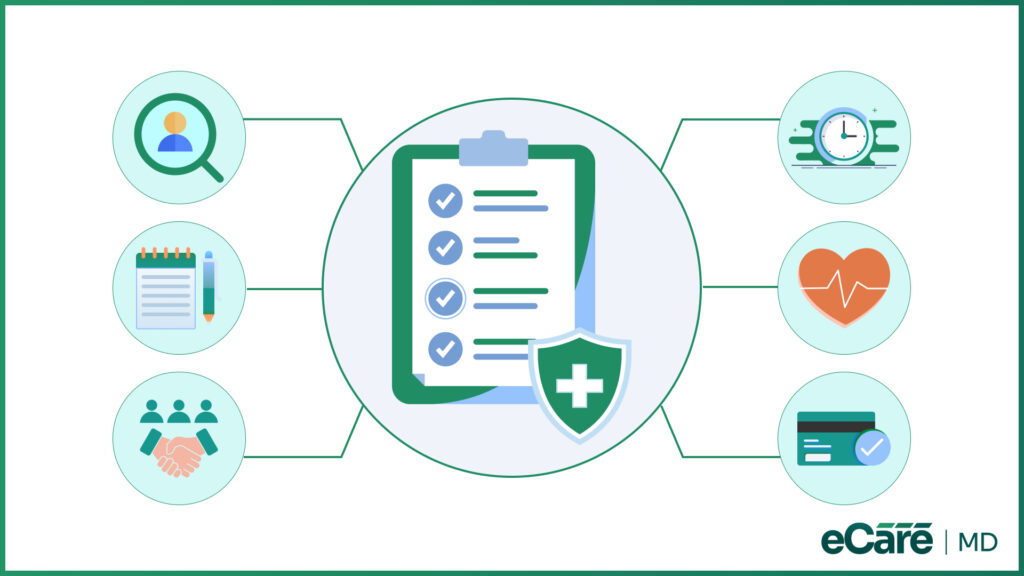
Along with patient eligibility, your practice also needs to establish the operational framework that supports ongoing care. This involves obtaining documented patient consent, creating and maintaining comprehensive care plans, tracking the required monthly care management time, ensuring accurate documentation, preparing billing processes, and meeting CMS compliance requirements.
All of these elements together can create a reliable chronic care management workflow that supports not only quality care, but also reimbursement. If you put all these pieces in place before enrolling patients, you can save time, reduce avoidable errors, and make chronic care management implementation much more seamless.
Before You Begin
Before launching your CCM program, make sure you’ve covered these essentials:
- Confirm your practice meets the core CCM requirements.
- Identify eligible patients and assign your CCM care team.
- Prepare your documentation, billing, and workflow processes before enrolling patients.
How Do You Start a CCM Program?
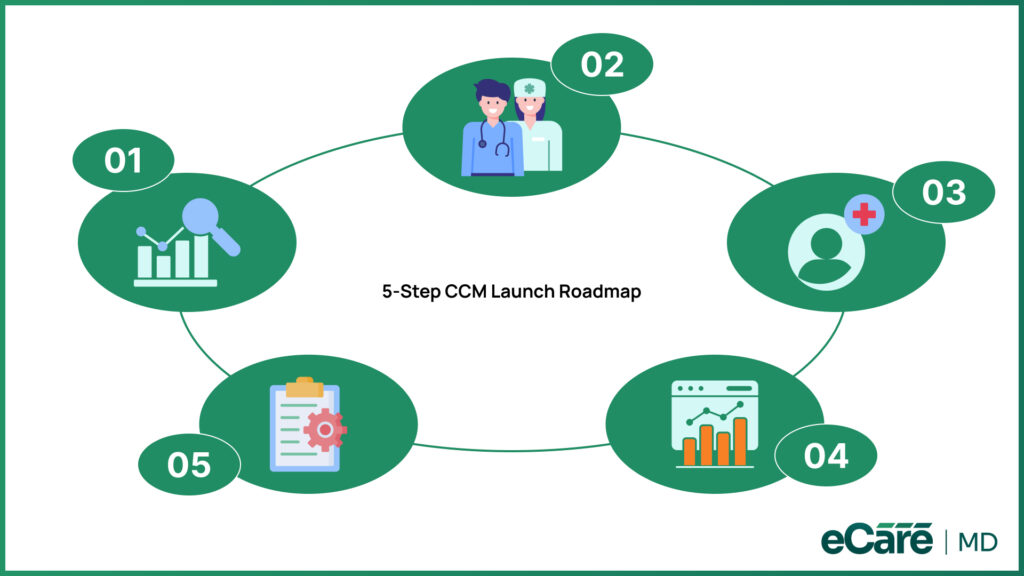
When you follow a structured approach rather than trying to do everything at once, starting a successful CCM program becomes much easier. Each step, like assessing your practice’s readiness to monitor long-term performance, lays the foundation for efficient care delivery, seamless operations, and better patient outcomes.
Step 1: Assess Your Practice Readiness
You should start evaluating factors like patient population, staffing capacity, existing technology, and current workflows. If you identify operational gaps early, it helps to prevent delays during chronic care management implementation. eCareMD helps your practice to centralize patient information while preparing for a seamless rollout.
Step 2: Build Your CCM Care Team
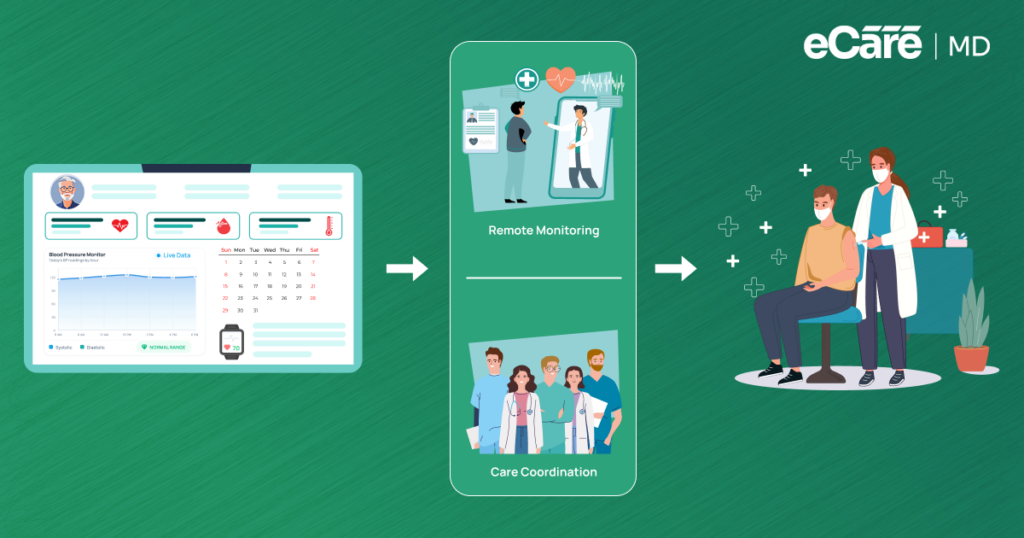
Another important step is clearly defining the responsibilities of physicians, nurses, care coordinators, billing staff, and administrative teams. Well-defined roles help to enhance collaboration, accountability, and consistency. A platform like eCareMD helps to keep everyone connected through shared patient records, task management, and care coordination tools.
Step 3: Identify and Enroll Eligible Patients
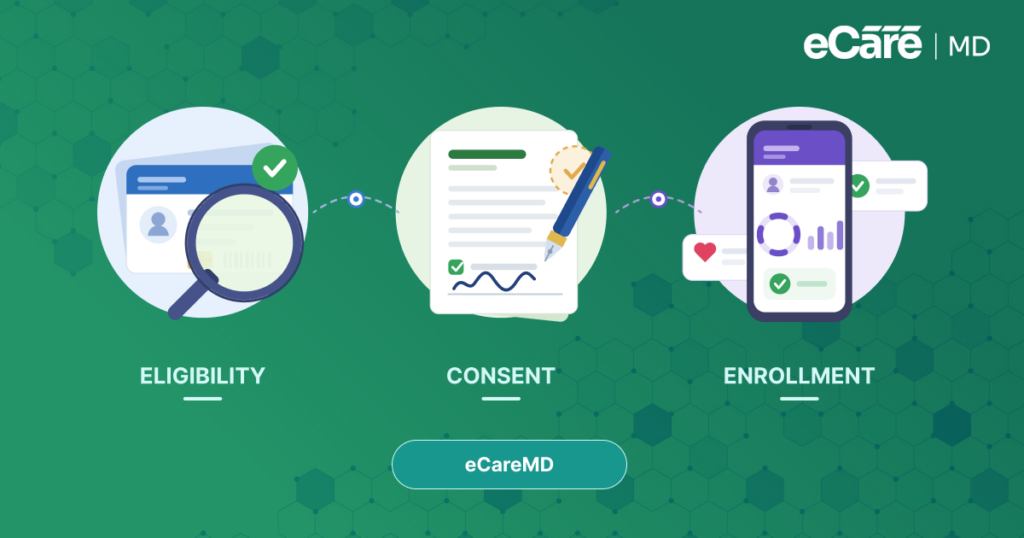
You should identify patients who meet Medicare CCM eligibility requirements and establish a standardized enrollment process. Before services begin, it is necessary to document patient consent and maintain accurate records. eCareMD can simplify enrollment, consent tracking, and electronic documentation from a single platform.
Step 4: Create Personalized Care Plans and Workflows
The next key step is developing individualized care plans, which can support each patient’s health goals, while establishing a continuous chronic care management workflow for monthly outreach, medication reconciliation, and follow-up. eCareMD automates recurring tasks and documentation, making daily CCM operations more efficient.
Step 5: Monitor and Grow Your CCM Program
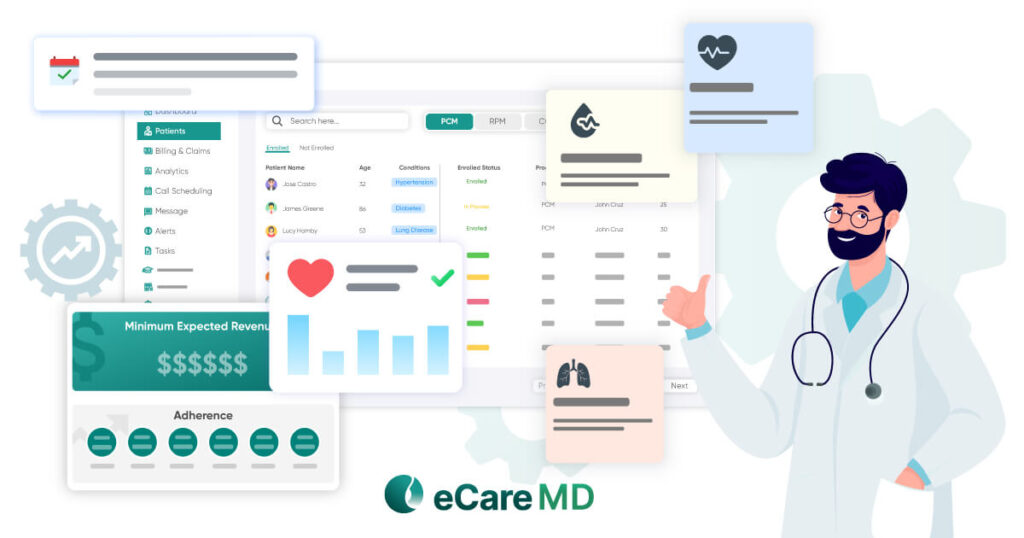
Regularly review patient engagement, documentation quality, workflow performance, and program outcomes to identify improvement opportunities. eCareMD’s reporting dashboards provide operational insights that help practices optimize and confidently scale their CCM programs.
CCM Program Launch Roadmap
Let’s have a closer look at the CCM program launch roadmap:
| Phase | Primary Goal | Expected Outcome |
|---|---|---|
| Planning | Planning | Implementation readiness |
| Patient Enrollment | Identify and onboard eligible patients | Successful CCM enrollment |
| Care Planning | Create personalized care plans | Coordinated patient care |
| Workflow Execution | Deliver monthly CCM services consistently | Improved operational efficiency |
| Program Optimization | Monitor performance and refine workflows | Sustainable program growth |
What Are the Biggest Challenges When Launching a CCM Program?
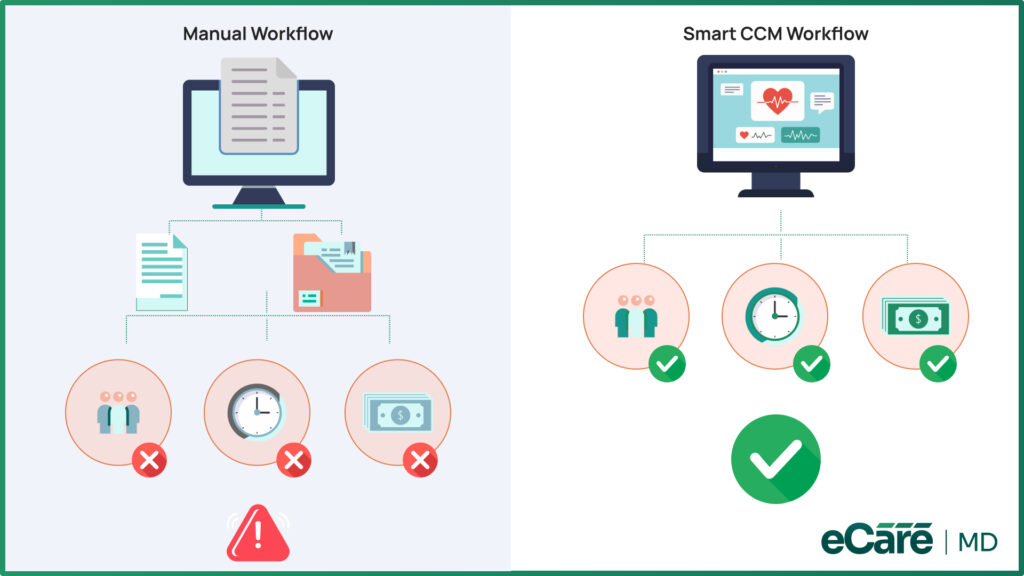
Launching a CCM program is a significant step, but keeping it running efficiently is often where practices face the biggest hurdles. Common challenges include identifying eligible patients, encouraging staff adoption, maintaining a consistent chronic care management workflow, and ensuring documentation meets CMS compliance requirements.
As patient enrollment increases, managing these responsibilities can become even more complex without the right processes in place.
In many cases, the problem isn’t the CCM program itself—it’s how daily operations are managed. Practices that rely on manual processes, spreadsheets, or disconnected systems often struggle with duplicate data entry, missed documentation, inconsistent follow-ups, and increased administrative workload. These inefficiencies not only slow down care delivery but can also affect billing accuracy and overall program performance.
The key to overcoming these challenges is creating standardized workflows that keep every stage of the program organized and consistent. Workflow automation can further reduce repetitive administrative tasks, improve documentation accuracy, and help care teams stay on top of monthly CCM activities. With a strong operational framework, practices can spend less time managing processes and more time delivering high-quality care to patients with chronic conditions.
Conclusion
Learning how to start a CCM program is only the first step. Building a successful program requires careful planning, a clear implementation strategy, well-defined team responsibilities, standardized workflows, and consistent execution.
When these elements work together, practices can improve care coordination, strengthen patient engagement, and deliver better outcomes for individuals living with chronic conditions.
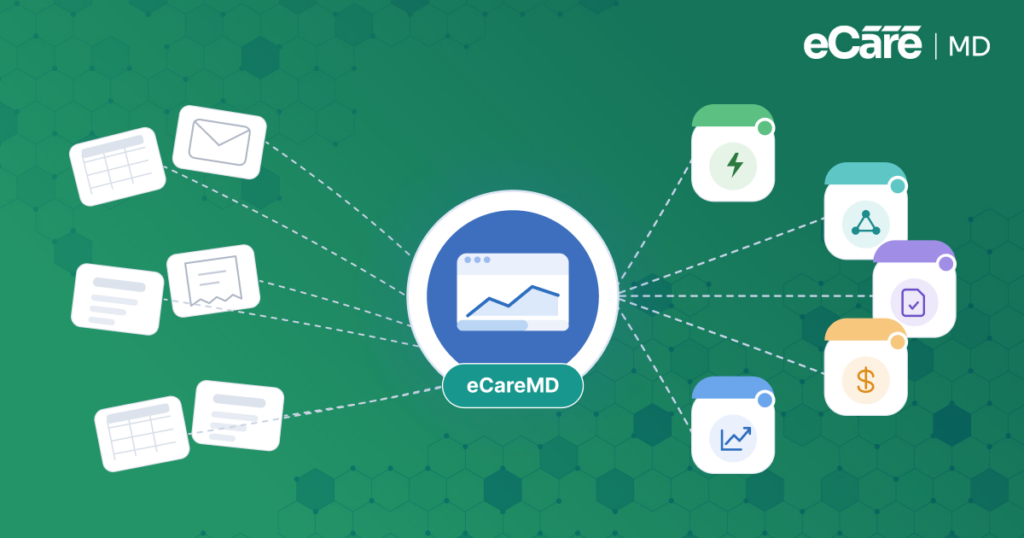
Having the right technology also makes a meaningful difference. eCareMD’s Care Management Solutions, developed by Medarch Inc., simplify chronic care management implementation by bringing patient enrollment, documentation, care planning, workflow management, and billing into one centralized platform.
With comprehensive Medicare chronic care management software, healthcare organizations can reduce administrative complexity, improve operational efficiency, and confidently scale their CCM programs while staying focused on delivering high-quality patient care.
Frequently Asked Question’s
Starting a CCM program begins with assessing your practice’s readiness, including patient eligibility, staffing capacity, technology, and existing workflows. Once the foundation is in place, identify eligible Medicare patients, obtain documented consent, assign responsibilities to your care team, and establish standardized processes for care planning, documentation, and billing. Regularly reviewing your workflows and program performance helps ensure compliance, improve patient outcomes, and support long-term program success.
To launch a CCM program, practices must meet CMS requirements and have the necessary operational processes in place. This includes identifying eligible patients, obtaining documented patient consent, creating comprehensive care plans, tracking monthly care management time, maintaining accurate documentation, and ensuring billing compliance. A well-defined workflow and trained care team are equally important for delivering consistent, high-quality care and avoiding administrative challenges.
Patients qualify for Medicare Chronic Care Management if they have two or more chronic conditions expected to last at least 12 months or until the end of life. These conditions must place the patient at significant risk of hospitalization, functional decline, or other serious health complications. Eligible patients must be enrolled in Medicare and provide documented consent before receiving CCM services.
Implementing a CCM program starts with building a strong operational foundation. Practices should evaluate their readiness, define staff responsibilities, identify and enroll eligible patients, and establish standardized workflows for care planning, documentation, and billing. Ongoing monitoring of patient engagement, workflow performance, and compliance helps ensure the program remains efficient, scalable, and aligned with Medicare requirements.
A chronic care management workflow includes every activity required to deliver ongoing care to eligible patients. It typically covers patient identification and enrollment, obtaining consent, creating personalized care plans, monthly patient communication, medication reconciliation, care coordination, documentation, time tracking, and Medicare billing. Standardizing these activities helps practices improve efficiency, maintain compliance, and deliver consistent patient care.
Common challenges include identifying eligible patients, encouraging staff adoption, maintaining consistent documentation, meeting CMS compliance requirements, and managing growing administrative workloads. Practices that rely on manual processes or disconnected systems often experience workflow inefficiencies, missed documentation, and billing delays. Establishing standardized workflows and reducing manual tasks can help overcome these challenges and support sustainable program growth.
Setting up a CCM program starts with confirming your practice meets CMS requirements and identifying patients who qualify for Medicare CCM. Next, assign a dedicated care team, establish documentation and billing workflows, create personalized care plans, and implement technology that supports care coordination. Preparing these elements before enrolling patients helps ensure a smoother implementation and better long-term program performance.
Providers should look for software that simplifies both clinical and administrative CCM activities. Essential features include patient eligibility tracking, electronic consent management, care plan creation, workflow automation, time tracking, documentation, billing support, reporting dashboards, and secure care coordination. An integrated platform helps reduce manual work, improve compliance, and make it easier to manage and scale a CCM program.
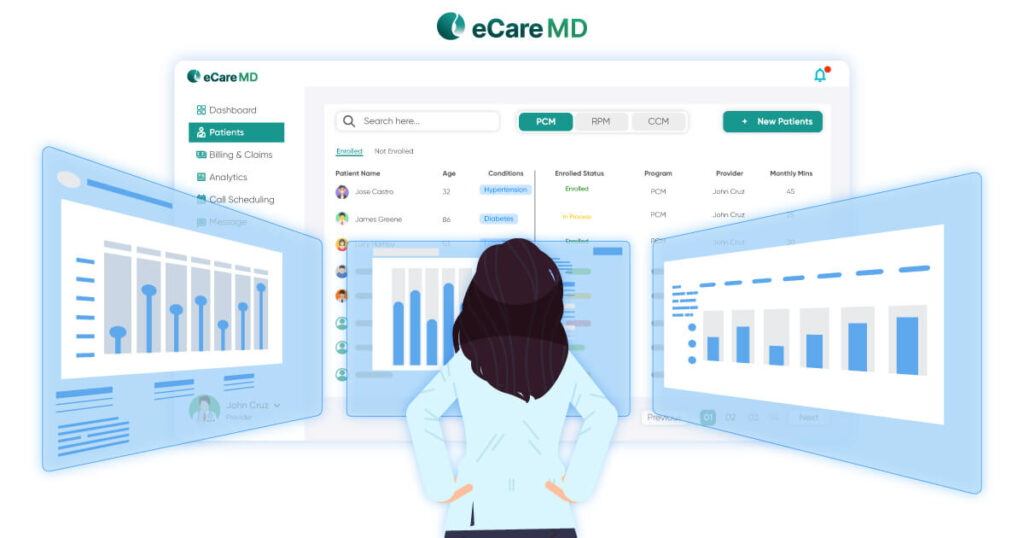
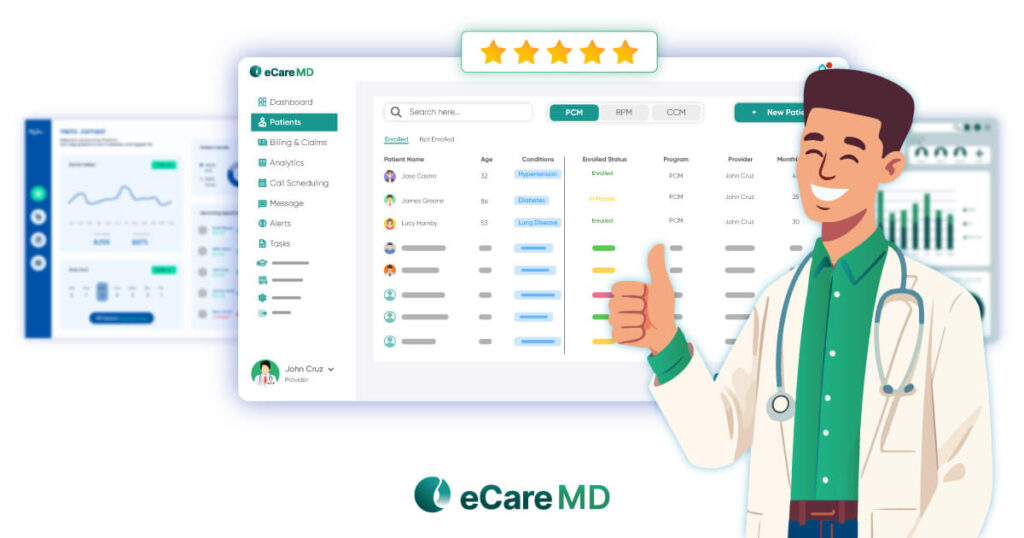
eCareMD simplifies CCM by bringing patient enrollment, documentation, care planning, workflow management, and billing into one centralized platform. It helps practices streamline daily operations through automated workflows, electronic consent tracking, centralized patient records, and real-time reporting. By reducing administrative burden and improving care coordination, eCareMD enables healthcare organizations to launch, manage, and confidently scale their CCM programs while maintaining Medicare compliance.
















![The Future of Remote Patient Monitoring: CMS Innovations & Emerging Trends [2026]](/wp-content/uploads/2024/07/Blog-36-The-Future-of-Remote-Patient-Monitoring_-Trends-AI-Innovation-CMS-Updates-for-2026-1024x538.png)