Last Updated: September 2, 2026
Your patient agrees to follow the care plan, takes the prescribed medication, and leaves the clinic feeling confident. After a week, things start to look very different. A missed medication, an unanswered message, or a symptom that goes unreported can silently put that progress at risk.
This becomes one of the major challenges in chronic care, as care does not stop when the appointment ends. Your patients require ongoing support to stay involved, follow their care plans, and communicate changes in their health.
For care teams, keeping that connection going across weeks and months can be difficult without the right tools. This is exactly where care management software systems can make a huge difference.
With timely reminders, personalized communication, and streamlined follow-ups, technology can make it easier for care teams to keep patients engaged without turning every interaction into another manual task.
However, engagement is not built through reminders alone. With the right approach, it becomes easy to turn routine follow-ups into meaningful touchpoints that keep your patients involved in their own care.
Let this blog be your comprehensive guide to exploring practical patient engagement strategies for CCM to improve adherence, encourage participation, and build stronger patient relationships throughout the care journey.
What Does Patient Engagement Mean in CCM?
Patient engagement in CCM goes beyond simply staying in touch. For example, your care team may call a patient, send a reminder, or check whether they took their medication. However, real engagement happens when your patient also takes an active role in their care journey.
This may involve responding to messages, sharing changes in symptoms, following the care plan, asking questions, or taking part in treatment decisions. For example, when your patient tells their care coordinator that their symptoms have changed, the team should step in before the issue becomes worse.
Simply put, patient engagement in chronic care management means keeping your patients involved throughout their care, and not just contacting them when a task needs to be completed.
When your patients feel heard, understand what they need to do, and know that their care team is there to support them, they are more likely to stay involved in their overall care processes. And this is exactly where effective engagement strategies start to turn routine patient interactions into valuable conversations.
Why Patient Engagement Matters in Chronic Care Management
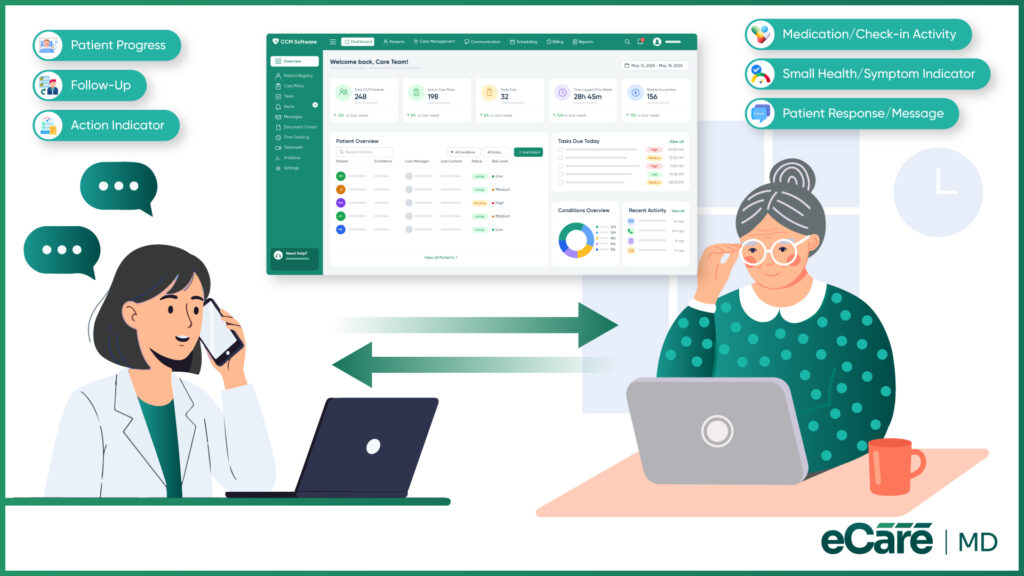
As chronic condition management is a long-term journey, patients can easily lose momentum along the way. Even though your patient starts a CCM program with good intentions, they can also become less responsive as weeks turn into months. And when this happens, gaps can be seen in communication, follow-ups, and care plan adherence.
With strong engagement, you can keep the connection going. When your patients stay involved and communicate regularly with their care team, you can get a clearer picture of how their condition is progressing. This can further support better continuity of care while helping your patients to remain active in the overall program over time.
Moving forward, it also plays a key role in CCM patient retention. When your patients feel supported rather than simply checked on, they are more likely to continue participating. This ongoing connection can play an effective role in chronic disease management engagement.
Simply put, CCM works best when care is a two-way street. Your care team provides guidance and support, while patients remain involved in managing their health.
How to Improve Patient Engagement in Chronic Care Management
However, keeping your patients engaged in CCM is not just about sending more messages or making more calls. It’s also about making every interaction relevant, while giving your patients valid reasons to stay involved.
But how?
Let’s see some of the key practical ways to make that happen:
1. Personalize Care Around Individual Patient Needs
In chronic care, a one-size-fits-all approach rarely works, as every patient has different conditions, goals, concerns, and communication preferences. Personalizing outreach and care activities around all these requirements can help to make CCM interactions feel more relevant.
For example, one patient may need regular support with medication management; on the other hand, another may benefit from lifestyle guidance or symptom monitoring. A structured chronic care management template assists your care team in organizing individualized care and keeping necessary goals, requirements, and follow-up activities in one place.
2. Establish Consistent Patient Communication
Furthermore, when communication happens only once in a while, engagement can quickly fade. Regular and purposeful communication helps your patients stay connected to their care team throughout the CCM program.
Even so, consistency doesn’t mean contacting every patient in exactly the same way. A quick check-in, follow-up call, or message based on your patient’s current requirements can help to keep the conversation going without overwhelming them.
3. Use Digital Patient Communication Tools
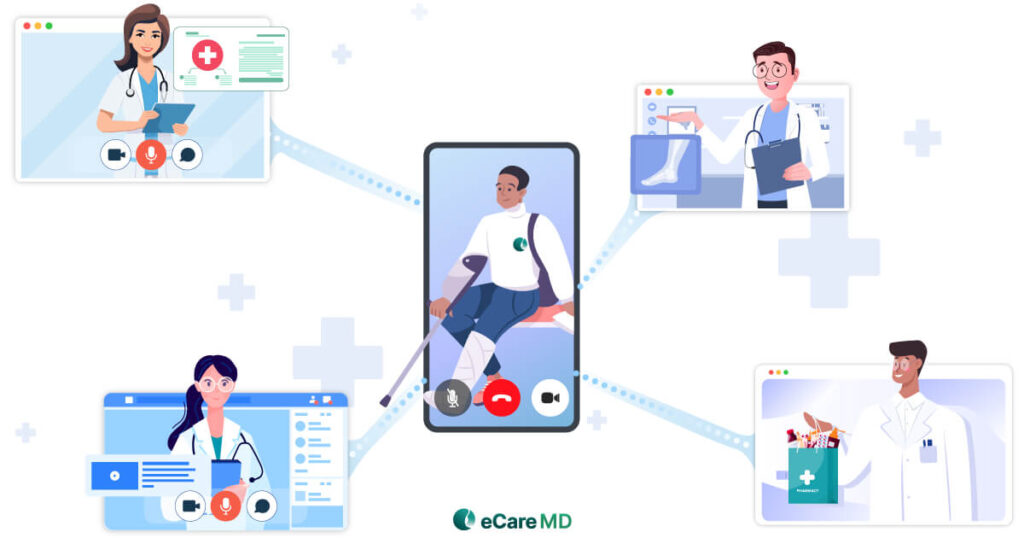
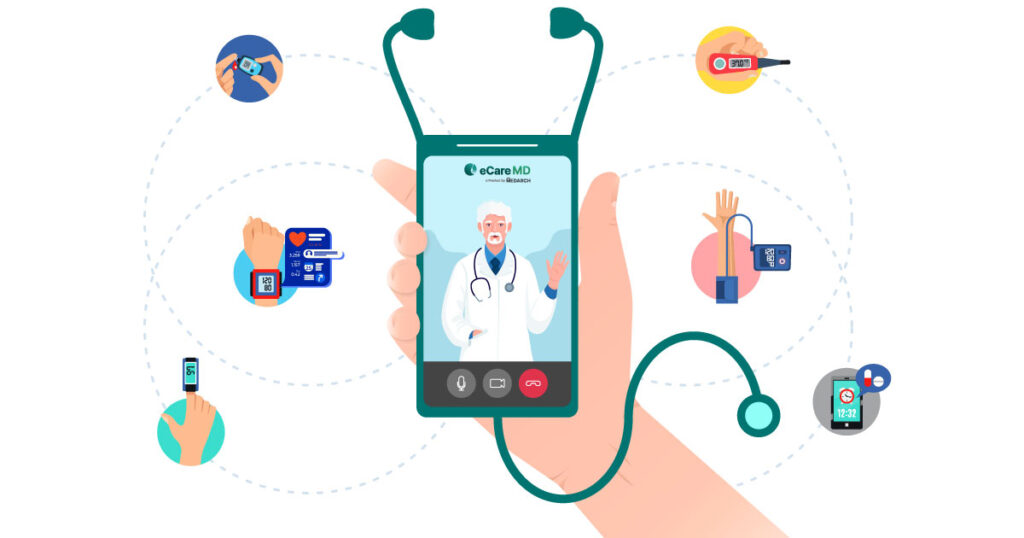
Convenient communication can make it easier for patients to participate in their care. Digital patient communication tools, such as SMS, secure messaging, phone calls, and patient portals, give care teams multiple ways to reach patients.
The key is to use the channel that works best for the individual patient. Some may respond quickly to a text message, while others may prefer a phone call. Meeting patients where they are can remove small barriers that often lead to missed communication.
4. Deliver Relevant Patient Education
Patients are more likely to stay involved when the information they receive connects directly to their health needs. Instead of sharing generic material, care teams can focus on practical information related to the patient’s condition, treatment plan, or upcoming care activities.
The goal is simple: give patients information they can understand and actually use. When education feels relevant, it can help patients feel more confident about participating in their care.
5. Use Timely Reminders to Support Follow-Through
Even motivated patients can forget a follow-up, care activity, or scheduled interaction. Timely reminders can provide that small nudge needed to keep things on track.
Whether it is a reminder for a check-in, medication-related activity, or another part of the care plan, the right prompt at the right time can support improving patient adherence to healthcare without making patients feel pressured.
6. Monitor Engagement and Adjust Outreach
Patient engagement is not something that should be set and forgotten. Changes in responsiveness or participation can signal that a patient needs a different approach.
For instance, if a patient stops responding to text messages, a phone call may work better. If outreach feels too frequent, adjusting the communication schedule may help. Paying attention to these patterns allows care teams to adapt their approach and maintain CCM patient retention over time.
Together, these approaches can strengthen chronic disease management engagement by making CCM feel more personal, accessible, and relevant. The goal is not simply to keep patients enrolled, but to keep them actively involved throughout their care journey.
How Technology Supports Patient Engagement in CCM
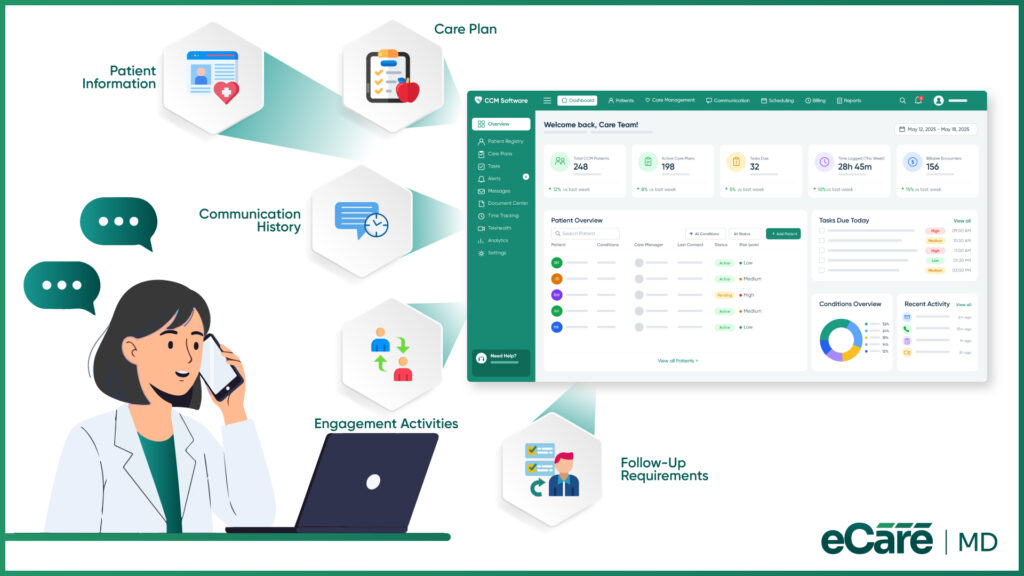
Even though the right engagement strategies can make a huge difference, carrying them out consistently can become challenging when your care team manages a large number of CCM patients. This is where technology can help to keep everything from falling through the cracks.
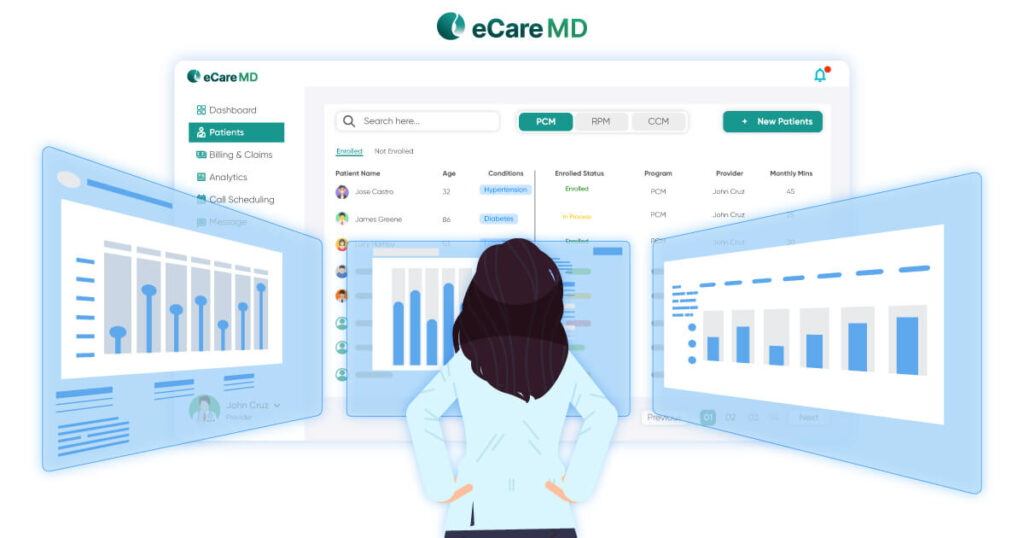
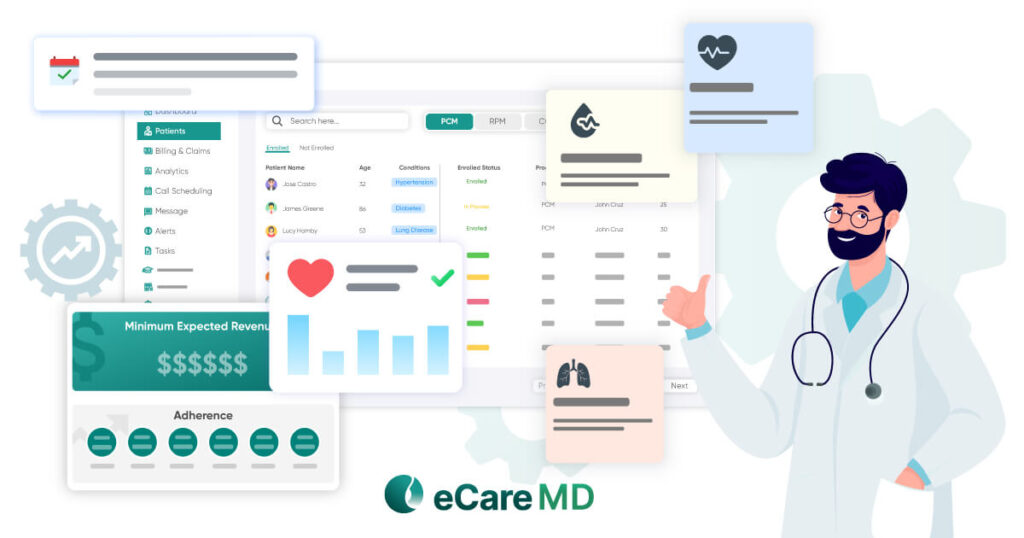
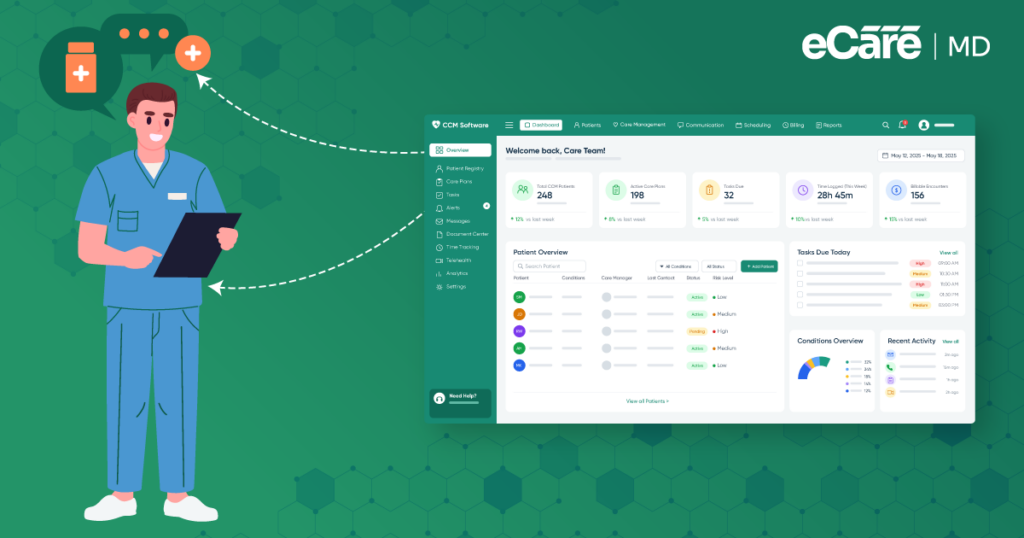
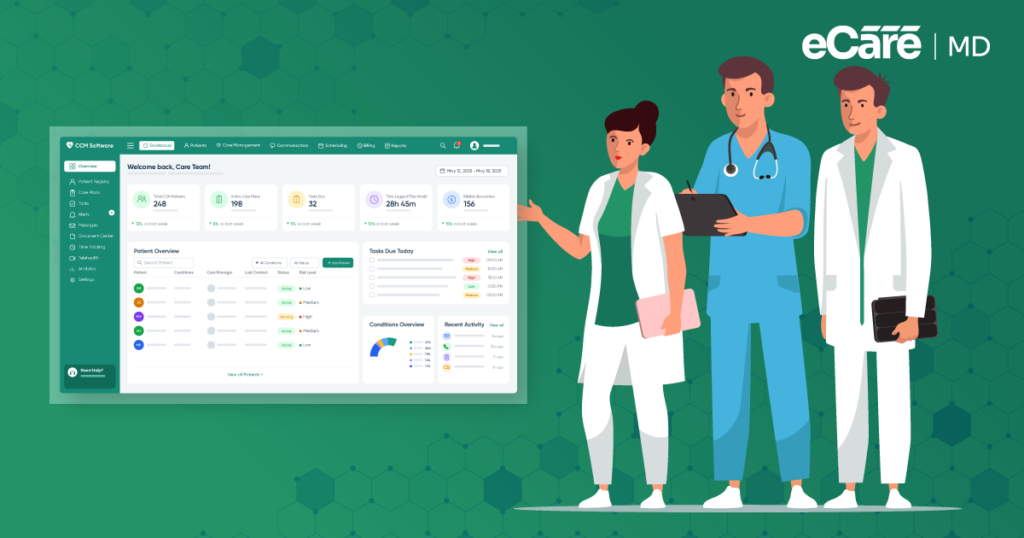
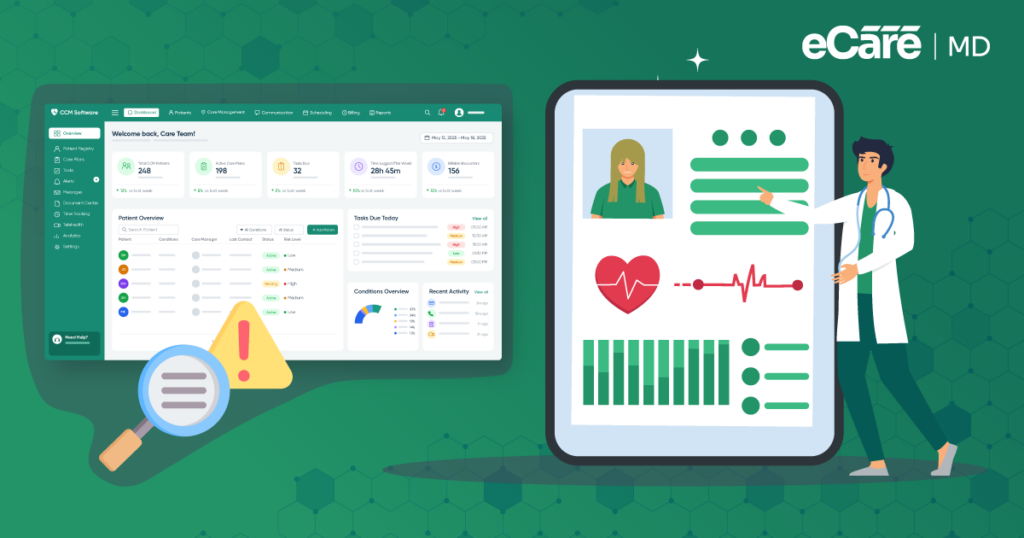
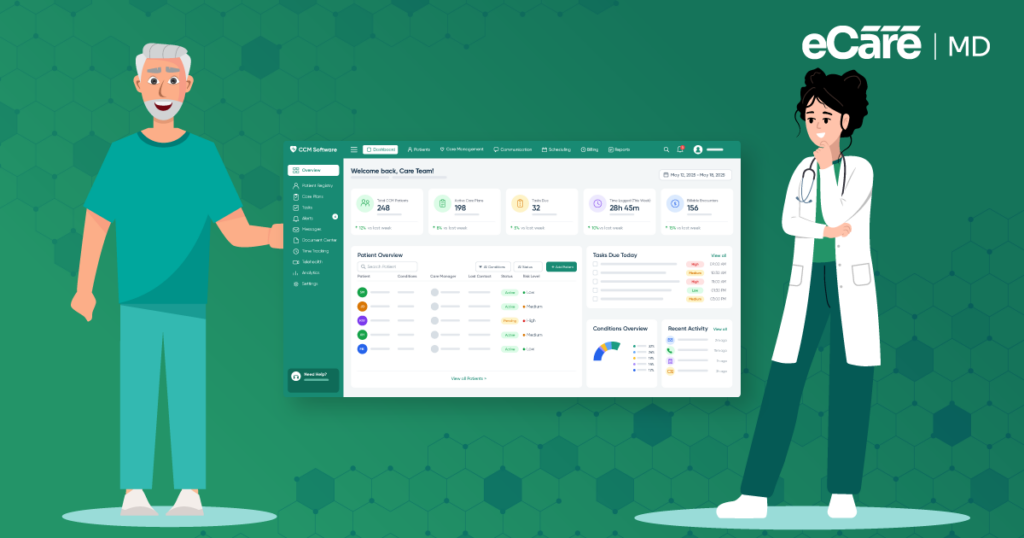
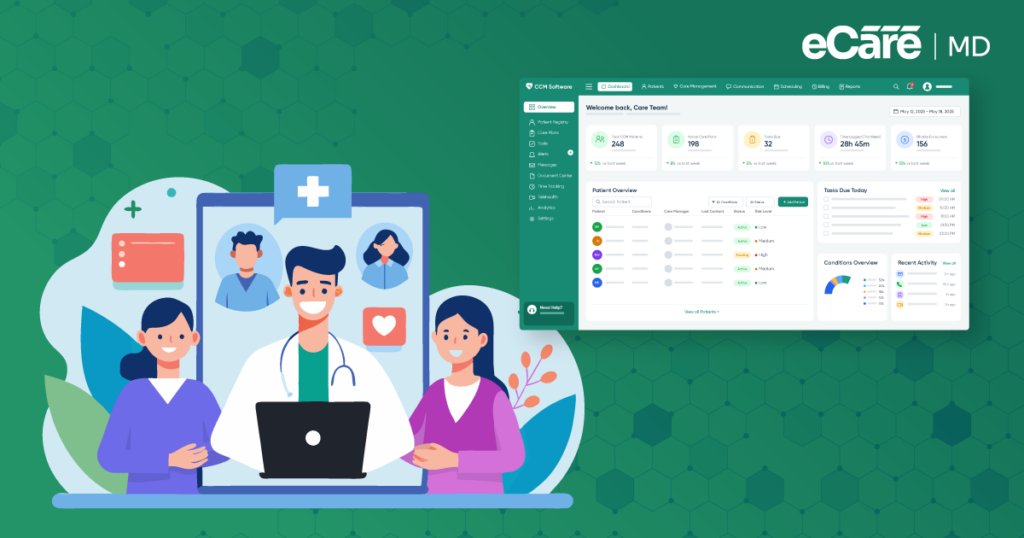
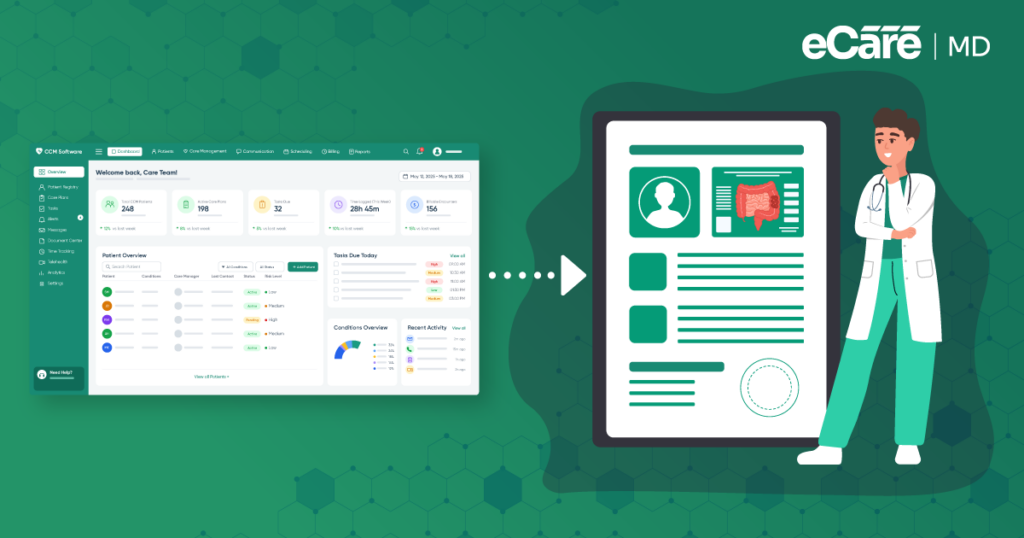
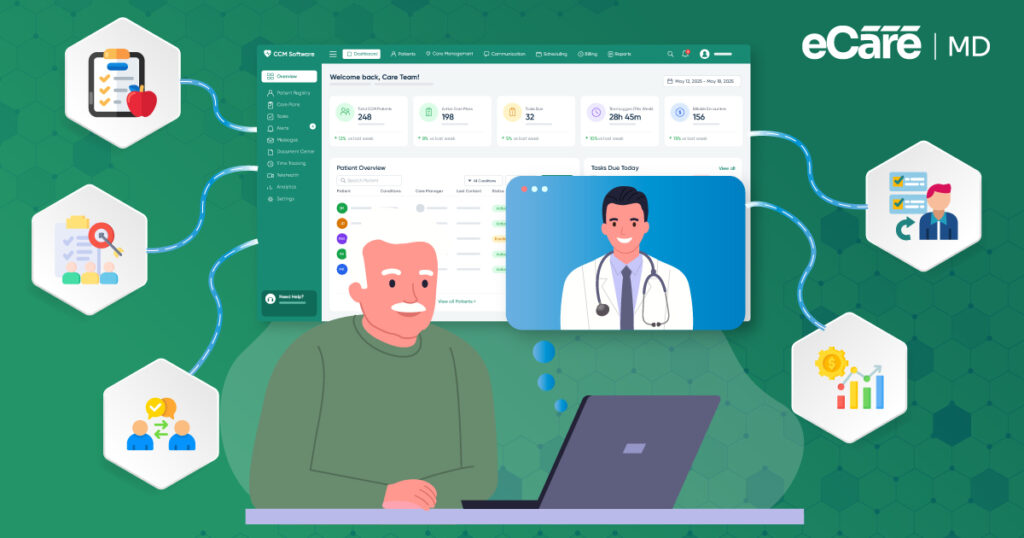
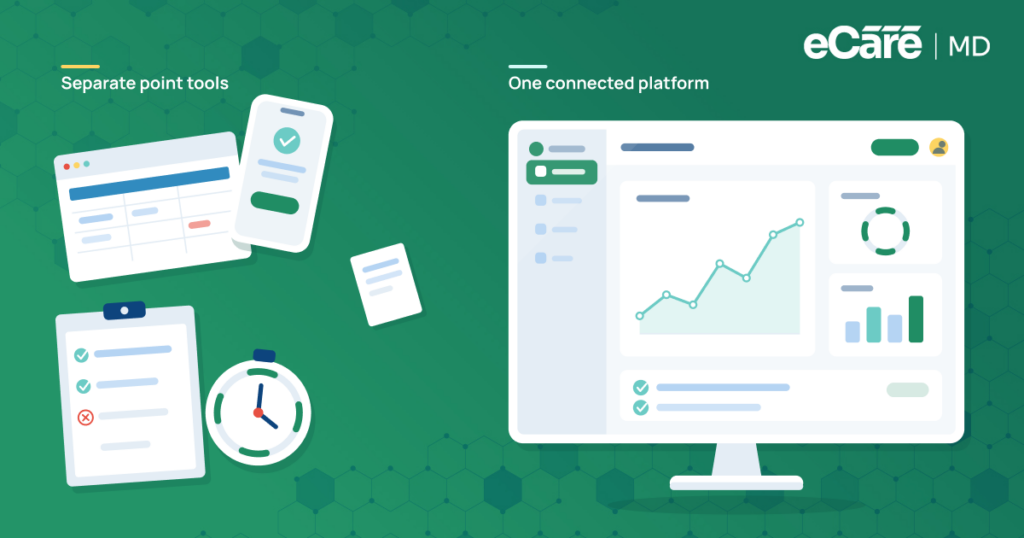
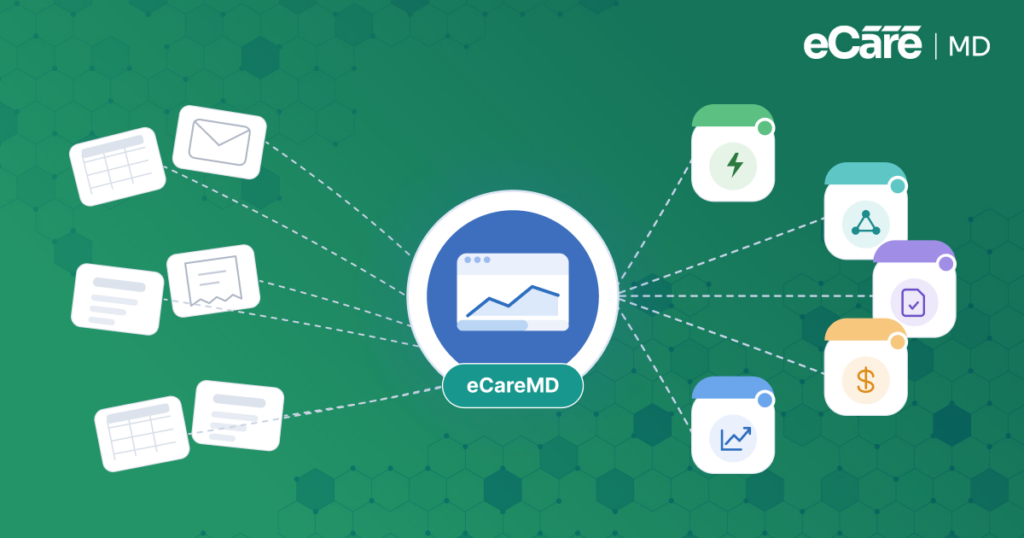
A centralized platform gives your care teams access to important patient information, care plans, communication history, and engagement activities in just one place. Rather than switching between spreadsheets, messages, and different systems, your team can get a bigger picture of where the patient stands and what follow-up may be required.
Furthermore, technology can also support regular communication through reminders, scheduled outreach, and other automated tasks. This can reduce the administrative effort to keep track of every interaction while helping care teams maintain continuous patient contact.
This is how chronic care management software improves patient engagement. It gives your teams better visibility into patient progress, while making it easier to deliver timely, relevant support throughout the CCM journey.
The right care management software systems allow providers to spend less time on managing disconnected tasks and more time focusing on meaningful patient interactions.
Strategies to Increase Patient Participation in CCM Programs
Patient participation does not always drop because patients are unwilling to engage. Sometimes, the process itself makes participation harder than it needs to be. Too many steps, inconvenient communication methods, or unclear expectations can make it easy for patients to lose interest.
For practices looking for strategies to increase patient participation in CCM programs, the goal should be simple: make it easier for patients to take part and give them a reason to stay involved.
1. Make CCM Participation Simple and Convenient
Patients should not have to jump through hoops to complete a check-in, communicate with their care team, or take part in a care activity. Keeping these processes simple can remove small barriers that may otherwise lead to missed interactions.
Convenient communication options also help. Giving patients choices such as phone calls, text messages, or secure messaging allows them to participate in a way that fits more naturally into their daily routine.
2. Give Patients a Clear Role in Their Care
Patients are more likely to participate when they understand what their role is. Care teams can explain what is expected, why certain activities matter, and how patients can contribute to their care plan.
This also means giving patients a voice in care decisions. Asking about their goals, concerns, and preferences can turn CCM from something being done for them into something they are actively part of.
3. Create Easy Feedback Opportunities
A simple “How is this working for you?” can open the door to a more useful conversation. Patients should have easy ways to share questions, concerns, preferences, or feedback during their CCM journey.
Care teams can then use that feedback to adjust future interactions. When patients see that their input actually influences their care, they have more reason to keep the conversation going.
4. Reduce Friction in Ongoing CCM Activities
Small obstacles can add up over time. A complicated process, repeated information requests, or an inconvenient check-in schedule may cause patients to disengage without ever saying why.
Care teams can look at where patients commonly stop responding or completing activities and simplify those steps. Removing unnecessary barriers can make ongoing participation feel less like a task and more like a natural part of care.
5. Adapt Participation to Patient Preferences
There is no single formula for keeping every patient involved. Some patients may prefer quick text messages, while others are more comfortable with a phone call. Work schedules, availability, and personal preferences can also affect how and when patients participate.
Adapting the approach to the individual helps practices meet patients where they are instead of expecting everyone to follow the same path. When participation fits into a patient’s routine, staying involved becomes much easier.
How eCareMD Supports Patient Engagement in CCM
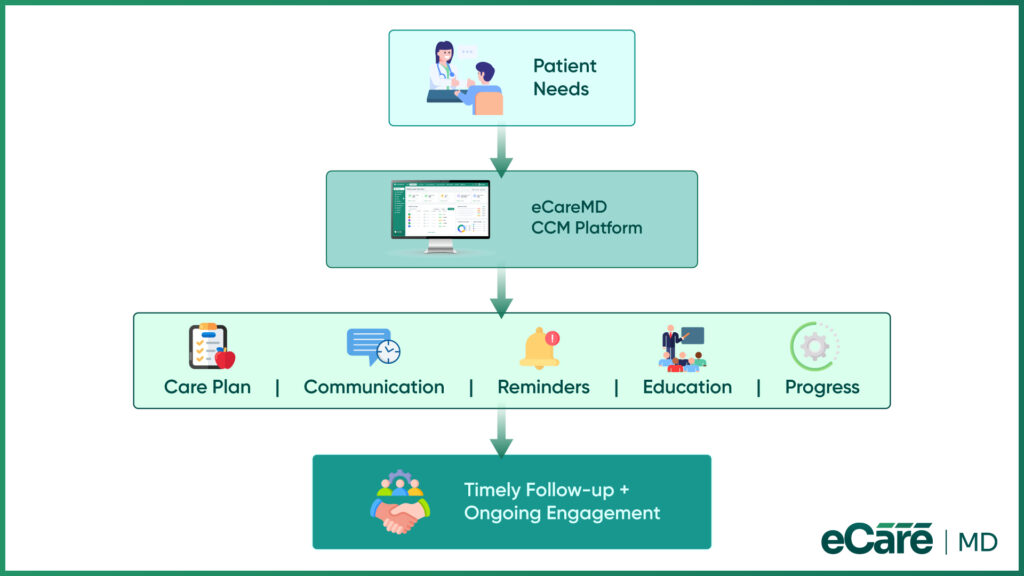
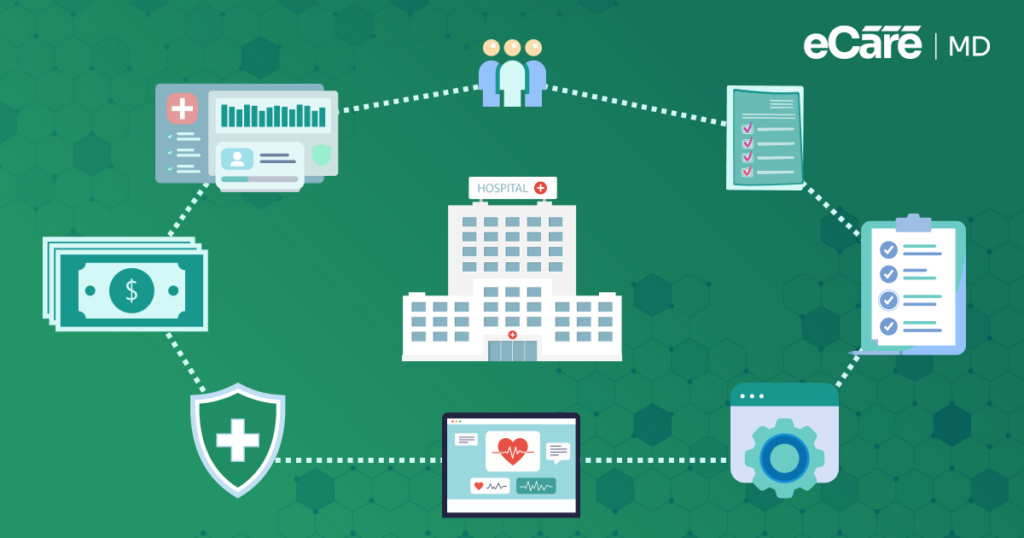
All the strategies discussed above help your practice keep patients involved. However, putting them into practice continuously can become difficult when your care teams are managing patients at different stages of care. This is exactly where a CCM platform like eCareMD can help to bring all these activities together.
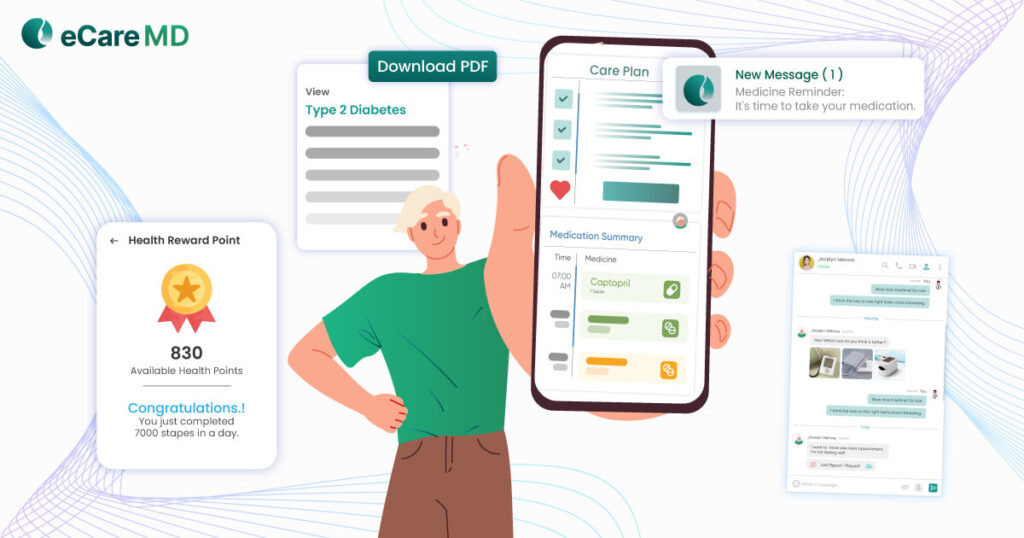
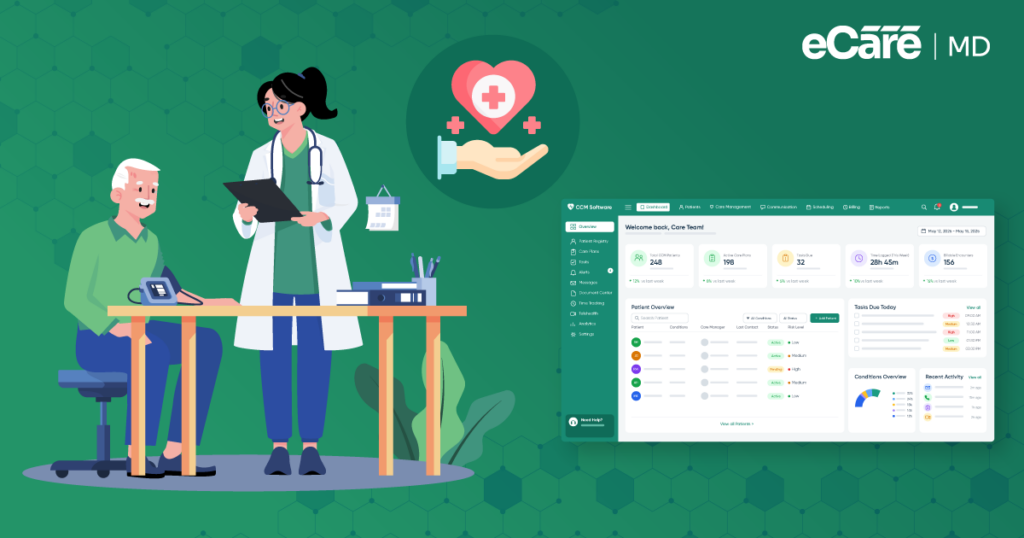
eCareMD allows your care team to create personalized care plans, stay connected with patients, send timely reminders, provide relevant education, and keep track of patient progress from one place.
This further makes it easier to understand what each patient requires and follow up at the right time, without managing every activity separately.
By connecting these everyday CCM activities, eCareMD helps care teams spend less time keeping track of tasks and more time engaging with patients. It gives teams the visibility and support they need to make patient engagement a consistent part of chronic care.
Conclusion
Keeping patients engaged is what turns CCM from a scheduled service into ongoing care. When patients feel supported, understand their role, and have convenient ways to stay connected, they are more likely to remain involved throughout their care journey.
For care teams, this means combining consistent outreach with personalized care, simple participation options, and clear communication. The right technology can make these efforts easier to manage by keeping patient information, care activities, and follow-ups connected in one place.
A structured chronic care management template can also help teams keep individualized care plans organized and consistent. When thoughtful engagement strategies and the right technology work together, practices can build stronger patient relationships and keep CCM participation on track.
Top 10 Patient Education Strategies for Chronic Care
Download Free GuideFrequently Asked Question’s
Patient engagement strategies for CCM include personalized care, regular communication, convenient participation options, relevant patient education, timely reminders, and follow-ups. These approaches help patients understand their role in managing their conditions and stay connected with their care team. The focus should be on making patients active participants in their care rather than simply recipients of services.
Providers can improve engagement by understanding each patient’s health needs, goals, preferences, and communication habits. Regular check-ins, clear education, convenient communication options, and opportunities to share feedback can make patients feel more involved. Care teams should also adjust their approach when a patient becomes less responsive or needs additional support.
Chronic care management provides patients with ongoing support instead of limiting care to occasional office visits. Regular follow-ups, reminders, care-plan discussions, and patient education can help patients understand what they need to do and why it matters. This continued support can make it easier for patients to stay on track with medications, appointments, lifestyle changes, and other recommended care activities.
Practices can increase participation by making CCM activities simple, convenient, and relevant to each patient. Offering different communication options, clearly explaining what patients are expected to do, and giving them a voice in care decisions can encourage involvement. Practices should also identify steps that create unnecessary effort and remove those barriers wherever possible.
Digital communication tools such as SMS, secure messaging, patient portals, and phone communication can make it easier for patients to stay connected with their care teams. They allow practices to send timely updates, reminders, follow-ups, and other relevant information without requiring every interaction to happen during an office visit. Using the communication method a patient prefers can also make ongoing participation more convenient.
Improving CCM patient retention starts with making patients feel that the program provides meaningful support. Personalized care, consistent communication, convenient interactions, and quick responses to patient concerns can help build that connection over time. Practices can also monitor changes in participation and adjust their outreach before disengagement turns into a reason for the patient to leave the program.
Chronic care management software helps care teams keep patient information, care plans, communication, reminders, and progress tracking connected in one place. This makes it easier to maintain regular outreach and identify when a patient may need additional attention. By reducing manual tracking and disconnected workflows, the software gives care teams more room to focus on meaningful patient interactions.
Practices can measure engagement by tracking factors such as patient response rates, completed check-ins, participation in care activities, follow-up completion, and CCM retention. Teams can also monitor how often patients communicate with their care team and whether they are following key parts of their care plans. Reviewing these measures over time can show which engagement efforts are working and where the care team may need to adjust its approach.










![The Future of Remote Patient Monitoring: CMS Innovations & Emerging Trends [2026]](/wp-content/uploads/2024/07/Blog-36-The-Future-of-Remote-Patient-Monitoring_-Trends-AI-Innovation-CMS-Updates-for-2026-1024x538.png)